Business StartupsBrand
Startup branding checklist might sound like something only big companies use, but as a founder or small business owner, you need it even more. Without a clear checklist, you end up guessing at logos, colors, messaging, and visuals—and that usually leads to confusion, rework, and missed opportunities. The good news is that branding doesn’t have to be complicated or expensive. It just needs to be intentional and consistent.
In this article, we’re going to be taking a look at a practical startup branding checklist, and how you can use it to build a brand that customers understand, trust, and remember. If you would like to find out more, feel free to read on.
Pic – CC0 License
Know Exactly Who You’re Talking To
Before we touch logos or colors, we need to be clear about who your brand is meant to serve. Without this, every design and message becomes guesswork.
Use this part of your startup branding checklist:
- Define your primary customer: age range, job, lifestyle, and location (USA, UK, AUS, Singapore, Dubai, or elsewhere).
- Map their main problems and goals: what they’re trying to fix or achieve with your product or service.
- List where they spend time: social platforms, marketplaces, local stores, or industry events.
- Note how they speak: formal or casual, technical or simple.
When you know your audience clearly, every branding decision—from creative logo design, brand packaging and graphic design services for startups to your website copy—has a direction.
Clarify Your Brand Positioning
Your brand needs a simple answer to the question: “Why should someone choose you instead of another option?” This is your positioning.
Add these to your startup branding checklist:
- A short statement that explains who you serve and what you offer.
- A clear description of how you’re different (price, quality, speed, style, values).
- A sense of where you sit: budget-friendly, mid-range, or premium.
- A one-sentence promise that captures the outcome your customer gets.
This positioning is the backbone of your branding. It guides your visuals, voice, and packaging, and it keeps you from chasing random trends.
Define Your Brand Personality and Voice
Your brand isn’t just what people see; it’s how you sound and feel to them. In different regions like the USA, UK, AUS, Singapore, and Dubai, subtle changes in tone can make a big difference.
Use this checklist to lock in your brand personality:
- Choose 3–5 words that describe your brand (e.g., friendly, bold, expert, playful, calm).
- Decide how casual or formal your tone should be.
- Set basic rules for language: short sentences, everyday words, or more technical terms if your audience expects them.
- Capture a few example phrases that “sound like you” for use in social posts, emails, and ads.
Once you define this, you can brief writers, social media managers, and designers so everyone keeps the brand voice aligned.
Lock In Your Visual Identity Basics
This is where visual elements like color, fonts, and layouts come in—and where many founders jump in too early. With your audience and positioning defined, now you’re ready to think about design.
Include these items in your startup branding checklist:
- A primary logo and a simplified mark for small spaces (favicons, app icons).
- A color palette with a main color, a secondary color, and neutral tones.
- 1–2 typefaces (fonts) that work well both on screens and in print.
- Simple rules for layouts: spacing, photo style, and how elements sit together.
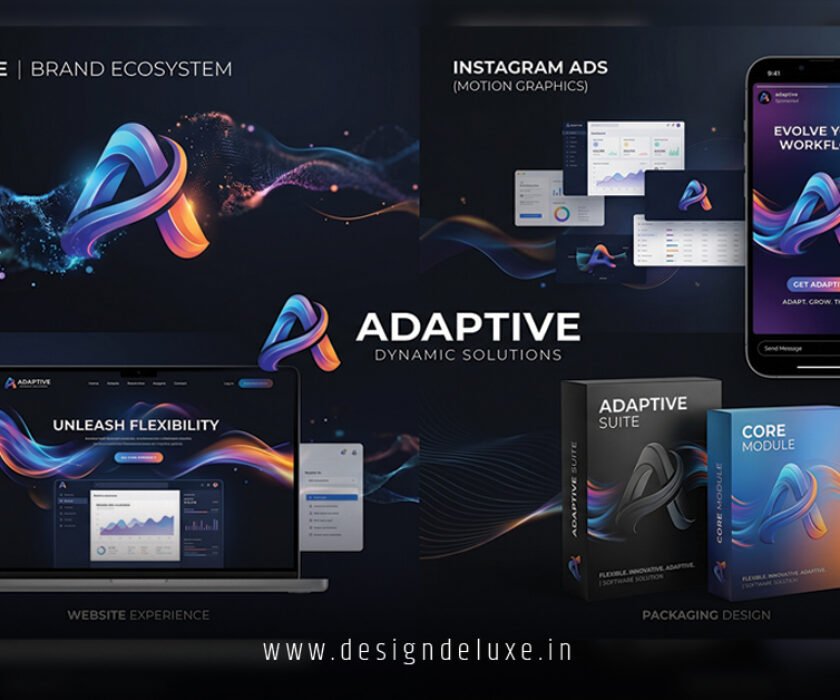
If you’re working with creative logo design, brand packaging and graphic design services for startups, share your checklist with them. It will help them build a visual system that actually supports your strategy, not just looks nice on a mockup.
Get Your Brand Story and Key Messages Straight
You don’t need a 50-page brand book. You do need a clear story and a few core messages that show up everywhere: website, pitch deck, packaging, and sales calls.
Add this to your startup branding checklist:
- A short origin story: why you started, and what problem you want to solve.
- A simple explanation of what you offer and how it works.
- 3–5 core benefit statements focused on outcomes, not features.
- A tagline or slogan that’s easy to remember and fits your positioning.
These messages will guide your content, marketing, and sales conversations. They should be easy to repeat, not something you have to read from a script.

Map Every Touchpoint Where Your Brand Shows Up
Your brand isn’t just your logo or website. It’s every place someone interacts with you: online, in-person, or through your product.
Use this part of your startup branding checklist:
- List your main touchpoints: website, social profiles, packaging, email templates, invoices, and presentations.
- Check if each one feels like the same brand (colors, tone, logo usage).
- Note any gaps where branding is missing or inconsistent.
- Prioritize fixes based on what customers see most often.
This is where a strong visual identity and consistent design work together to create trust. When everything looks and feels connected, you seem more reliable and established.
Build a Simple Brand Guide
A brand guide doesn’t need to be fancy. It just needs to be clear enough so anyone working with your brand knows how to keep things aligned.
Include these items in a short brand guide:
- Your logo and how to use it (and how not to use it).
- Your color palette with basic usage examples.
- Your typefaces with heading and body text rules.
- Your brand personality, tone, and a few example phrases.
- Key dos and don’ts for visuals and language.
You can share this guide with freelancers, agencies, and new team members so they don’t have to guess. It also helps if you decide to scale your design needs with creative logo design, brand packaging and graphic design services for startups as you grow.
Check Legal and Practical Details
Branding also has a practical side that’s easy to overlook when you’re focused on visuals and storytelling.
Add these final items to your startup branding checklist:
- Check trademark availability for your brand name and logo in your key regions.
- Make sure packaging and labels comply with local regulations where you sell.
- Confirm domain names and social handles are consistent and easy to remember.
- Ensure your logo and visuals work in both light and dark backgrounds, and at small sizes.
These practical checks prevent expensive problems later, like rebranding due to legal issues or confusing customers with inconsistent names and visuals.
Turning Your Checklist Into Action
We’re not using this startup branding checklist just to have a nice document. We’re using it to make better decisions, move faster, and avoid chaos as your business grows.
Here’s a simple way to put it into play:
- Fill out the checklist step by step, even if it’s rough at first.
- Share it with your team or co-founder and refine it together.
- Use it to brief any designer, writer, or agency you work with.
- Revisit it every 6–12 months as you learn more about your customers and markets.
When you do this, every branding decision becomes easier. You’re not starting from zero every time; you’re updating a clear foundation.
Final Thoughts
We hope that you have found this article enlightening in some way, and that this startup branding checklist gives you a practical starting point for building a brand that actually supports your business goals. Branding is not about fancy words or endless documents; it’s about clarity and consistency at every step. As you grow across markets like the USA, UK, AUS, Singapore, and Dubai, a simple, well-used checklist will help you stay focused and avoid costly rework. Use it alongside strong partners for creative logo design, brand packaging and graphic design services for startups, and you’ll give your business a brand that can grow with you.