Business & FinanceBrand Packaging
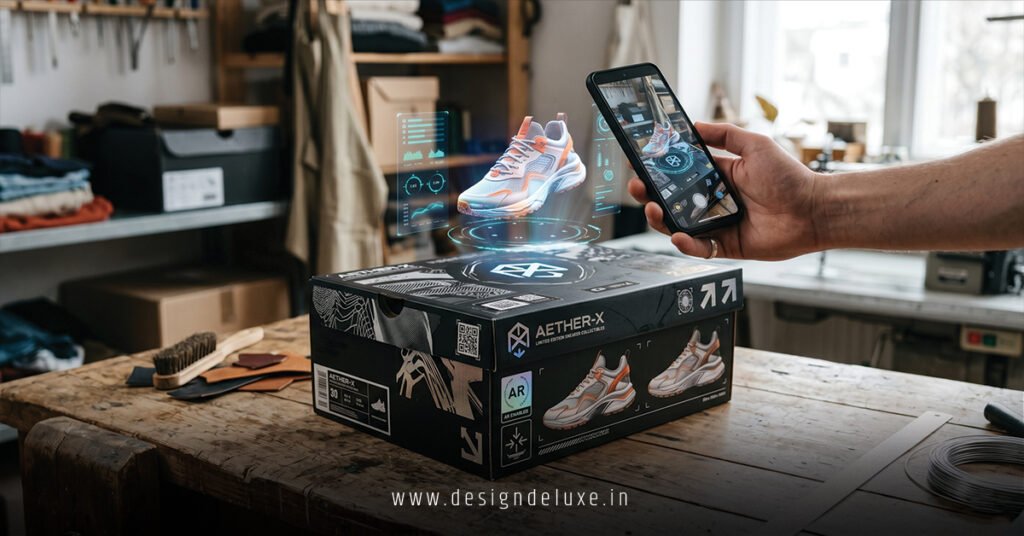
AR-enabled interactive packaging for sneaker collectibles is packaging that does more than hold the shoe. It turns the box into a digital gateway, usually by scanning a QR code, tapping an NFC tag, or using a camera-based trigger to unlock 3D visuals, product stories, authentication cues, or social-ready experiences.
- It upgrades the unboxing moment from “nice box” to memorable experience.
- It can support launches, limited drops, and collector hype without stuffing the box full of extra inserts.
- It gives brands a cleaner way to tell origin, design, and care stories.
- It can also help with sustainability when the package does double duty as storage or display.
- For sneaker collectors, it adds proof, play, and bragging rights in one shot.
Why it matters now
Sneaker packaging used to be a wrapper. Now it can be part of the product. That shift matters because collectors don’t just buy shoes; they buy the story, the scarcity, the drop culture, and the flex. Packaging that can trigger an immersive digital layer gives the box a job beyond shipping and shelf appeal.
Brands have already used AR in sneaker and luxury packaging to create launch theater, reveal 3D product views, and deepen engagement. Level Shoes, for example, rolled out AR-enhanced packaging with a QR-based experience and recyclable collector storage box design. Adidas has also used web-based AR packaging experiences to turn unboxing into a first-look moment.levelshoes+1
The kicker is simple: boring packaging disappears. Interactive packaging gets remembered, shared, and posted.
What AR packaging actually does
Here’s the clean version. AR-enabled interactive packaging for sneaker collectibles usually combines a physical trigger with a digital experience. The trigger might be a QR code printed inside the lid, an NFC chip in the box, a visual marker on the artwork, or a package design that opens a camera-based experience in a browser or app.
Once triggered, the user might see a 3D model of the sneaker, an animation tied to the drop story, care instructions, authenticity info, or even a scavenger-hunt style bonus. Sneaker media has documented AR sneaker release mechanics that used camera experiences, treasure-hunt style reveals, and interactive product info to build hype.[sneakerfreaker]
Think of it like a record sleeve that opens into the album. The outer cover matters, but the real magic starts when the collector engages.
AR-enabled interactive packaging for sneaker collectibles
For sneaker collectibles, AR packaging does three jobs at once: it protects the shoe, amplifies the drop, and extends the brand experience beyond the box. That’s why it works especially well for limited editions, collaborations, artist pairs, and high-story releases.
Collector packaging also benefits from the fact that sneakers already live in a world of display culture. If the box can become a mini digital showroom, fans get more than storage. They get context, interactivity, and a reason to keep the packaging instead of tossing it.
That’s not a small thing. In the collectible market, the box is part of the artifact. When the box itself becomes interactive, it stops being background noise.
How brands build it
The smart move is not to chase novelty for its own sake. It’s to make the packaging feel native to the product. A collector box for a luxury runner should not act like a toy. A retro basketball release should not feel like a tech demo nobody asked for.
The best executions usually follow this pattern:
- Design the box to survive shelf time and shipping.
- Add one clear trigger, not five messy ones.
- Make the AR content load fast on mobile.
- Tie the digital layer to a real collector benefit.
- Give people a reason to share it.
A clean packaging system matters because the box is often the first physical touchpoint. If it looks slick but triggers a clunky experience, the whole thing collapses. You want the reveal to feel like a whispered “yeah, this is different,” not a headache.
Step-by-step action plan
For beginners, the easiest way to think about AR-enabled interactive packaging for sneaker collectibles is as a three-layer build: physical box, digital experience, and collector payoff. Start there and you avoid overengineering the project.
1. Define the one job
Pick one primary goal. Is the packaging meant to create hype, verify authenticity, tell the story, or improve post-purchase engagement? If you try to do all four badly, you’ll end up with a box that confuses people.
2. Choose the trigger
Use the simplest trigger your audience can access. QR codes are the easiest entry point because they work fast and are familiar, while NFC can feel more premium if the budget supports it.
3. Build the AR moment
Keep the first experience short and visual. A 3D shoe rotation, a short animated reveal, or a collector badge works better than a long explainer. The first five seconds have to earn the next tap.
4. Add value after the novelty
Give people something useful. That could be authentication details, care instructions, edition number confirmation, a story from the designer, or an unlockable bonus asset.
5. Test on cheap phones
This one gets skipped too often. If the experience is slow or buggy on average Android devices and older iPhones, it will bleed trust instantly.
6. Measure the right signals
Track scans, completion rate, shares, repeat opens, and whether the box stays in circulation. For collectible packaging, retention matters. If people keep the box, you’ve done something right.
What to do with budget
AR-enabled interactive packaging for sneaker collectibles can be lean or premium, depending on how deep the digital layer goes. The most expensive part is usually not the box itself. It’s the content production, experience design, and ongoing maintenance.
Here’s a practical way to think about spend: <table> <tr> <th>Budget tier</th> <th>Typical setup</th> <th>Good choice when</th> </tr> <tr> <td>Lean</td> <td>QR code, landing page, short animation, one 3D asset</td> <td>You want proof of concept or a small collector drop</td> </tr> <tr> <td>Mid</td> <td>Better motion design, interactive product story, basic personalization</td> <td>You need a polished launch with shareable moments</td> </tr> <tr> <td>Premium</td> <td>NFC, custom microsite, authentication layer, premium motion, analytics</td> <td>You’re building a flagship collectible experience</td> </tr> </table>
The smartest move is usually mid-tier for the first run. Why spend like a moonshot when you still need data?
Common mistakes and how to fix them
The biggest mistake is treating AR as decoration. Pretty animation alone does not justify the packaging upgrade. The digital layer has to support the collector journey, or it becomes disposable noise.
Another common miss is overstuffing the experience. If the user has to download an app, scan a code, create an account, and then wait for loading screens, you’ve already lost most of them. Keep it short and friction-light.
A third mistake is ignoring the box after the launch. If the packaging is meant to be collectible, it should still look good six months later on a shelf. That means durable materials, strong print quality, and a trigger that won’t rub off or fade.
Finally, don’t forget the content match. A heritage runner, a hype collaboration, and a skate-inspired limited release each need a different tone. One-size-fits-all AR feels lazy fast.
What collectors care about
Collectors usually care about three things: scarcity, story, and status. AR packaging can support all three if it’s built with intent. It can make the release feel rarer, give the pair a richer backstory, and create a package worth showing off online.
In my experience, the best collector experiences do not scream for attention. They feel like a private unlock. That’s the sweet spot. The collector feels chosen, not marketed to.
That’s why AR-enabled interactive packaging for sneaker collectibles can outperform plain premium packaging when the drop has cultural weight. It’s not just a box. It’s a doorway.
Why it works for the USA market
The U.S. sneaker audience is used to launch moments, app culture, and social-first product discovery. That makes AR packaging a natural fit, especially for drops aimed at collectors, resellers, and community-driven buyers. The audience already understands scarcity mechanics. Give them a new layer to unlock, and they’ll test it.
It also fits the U.S. retail mix, where direct-to-consumer, flagship activations, and online-first launches often live side by side. A packaging experience that bridges physical and digital can travel across all three without losing the plot.
That said, execution matters more than the gimmick. The winners will be the brands that make the experience feel useful, collectible, and easy.
Key takeaways
- AR-enabled interactive packaging for sneaker collectibles turns the box into part of the product.
- The strongest use cases are launch hype, storytelling, authentication, care guidance, and social sharing.
- Simple triggers like QR codes often beat overcomplicated setups.
- The digital layer should be fast, visual, and tied to a real collector benefit.
- Durable packaging still matters, because collectors keep the box.
- Mid-tier builds are often the smartest starting point for a first release.
- Bad AR feels gimmicky; good AR feels inevitable.
- The goal is not “tech for tech’s sake.” It’s a better collector experience.
AR-enabled interactive packaging for sneaker collectibles works when it deepens the drop, respects the product, and makes collectors feel like insiders. Start with one clear goal, keep the experience lean, and build something worth keeping on the shelf.
FAQs
What is AR-enabled interactive packaging for sneaker collectibles?
It’s packaging that unlocks a digital experience when scanned or tapped, often showing 3D visuals, storytelling, verification, or collector extras. The box becomes an interactive part of the sneaker drop, not just a container.
Is AR-enabled interactive packaging for sneaker collectibles expensive?
It can be, but it does not have to be. A simple QR-triggered experience with one strong digital asset is far cheaper than a full custom app build. The cost climbs when you add premium motion, personalization, analytics, or NFC hardware.
What makes AR-enabled interactive packaging for sneaker collectibles worth it?
It’s worth it when it improves the collector experience in a way plain packaging cannot. If it helps with hype, authenticity, storytelling, or shareability, it earns its keep. If it only looks cool for ten seconds, it probably won’t last.