Brand PackagingEco-Friendly / Sustainable
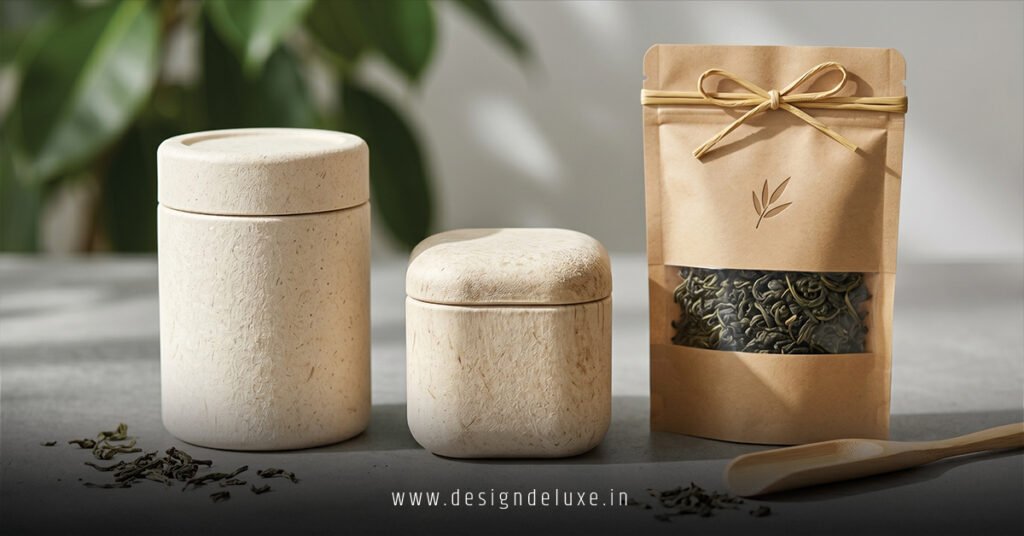
Bamboo fiber sustainable packaging for premium tea brands is revolutionizing how luxury loose-leaf and pyramid bags hit the shelf. It’s tough, planet-friendly, and screams “premium” without the plastic guilt.
Here’s the quick hit:
- What it is: Molded pulp from fast-growing bamboo—biodegradable trays, boxes, and inserts that replace foam or plastic.
- Why it rocks: Zero microplastics, composts in weeks, and aligns with India’s Plastic Waste Management rules plus USA’s rising eco-demands.
- For premium tea: Elevates unboxing like fine china, cuts shipping weight, and boosts brand loyalty among green-conscious buyers.
- Real edge: Costs drop long-term; stands up to humid tea storage better than paper alone.
Stick around. I’ll break it down—no fluff.
Why Bamboo Fiber Sustainable Packaging for Premium Tea Brands is Exploding in 2026
Tea drinkers aren’t sipping casually anymore. They’re choosy. Ethical. Picky about that post-purchase glow.
Premium brands—think Darjeeling estates or artisanal oolongs—face a crunch. Plastic bans tighten. Consumers ghost brands with wasteful wraps. Enter bamboo fiber.
It’s not hype. Bamboo grows like wildfire. Harvest-ready in 3-5 years. No pesticides needed. Turns into pulp via simple mechanical processing. Result? Packaging that’s 100% natural, recyclable, home-compostable.
In India, where tea is religion, the Central Pollution Control Board pushes single-use plastic bans hard. USA? California’s SB 54 mandates post-consumer recycled content by 2030. Bamboo sidesteps both.
Here’s the thing. Your tea tin arrives in a sleek bamboo tray. Feels substantial. No cheap plastic rattle. Customer posts it on Instagram. Brand wins.
Short para break. Breathe.
Ever cracked open a tea box that smells like chemicals? Bamboo doesn’t.
Breaking Down Bamboo Fiber: What Makes It Tick for Tea Packaging
Let’s geek out a sec. Bamboo fiber isn’t bamboo sticks. It’s broken down cellulose—think wood pulp’s eco-cousin.
Process? Bamboo shreds. Cooks in water and enzymes. Forms sheets or molds. Dries. Done. No bleach. No dioxins.
For premium tea brands, shapes matter: custom-fit caddies for tins, dividers for sample packs, even tea bag holders.
Strength? Handles 50kg stacks without denting. Moisture? Wicks it away—key for Assam blacks in monsoon season.
Biodegradability: EN 13432 certified options break down in 90 days industrially. Home? 6 months tops.
USA importers love it. No FDA plastic leach worries. India? FSSAI compliant out the gate.
One caveat. It’s not free. Upfront tooling costs $5K-$20K for custom molds. But scales beautifully.
Bamboo Fiber Sustainable Packaging for Premium Tea Brands: Pros, Cons, and Real Talk
No sugarcoating. Here’s a no-BS breakdown.
| Aspect | Pros | Cons | Tea Brand Fix |
|---|---|---|---|
| Durability | Crush-proof; stacks high for shipping | Slightly less rigid than plastic (fixable with coatings) | Use for secondary packaging; pair with tins |
| Eco-Impact | Carbon-neutral source; composts fully | Water use in processing (industry avg 10L/kg) | Source from FSC-certified farms |
| Cost | $0.10-$0.30/unit at scale (vs plastic $0.05) | Higher startup | Order 10K+ runs; offset with premium pricing |
| Aesthetics | Matte, natural texture—luxury vibe | Custom colors limited (natural tones shine) | Print direct; foil accents pop |
| Shelf Life | Humidity-resistant; 2+ years dry storage | Absorbs odors if unsealed long-term | Wax inner lining optional |
Data draws from industry norms—think USDA Forest Service reports on bamboo and packaging benchmarks.
Pros dominate for premium plays. That luxury heft? Plastic can’t fake it.
The Money Angle: Costs and ROI for Bamboo Fiber Sustainable Packaging for Premium Tea Brands
Crunch numbers. Beginners panic here. Don’t.
Small run (5K units): $0.25/unit. Plastic equivalent? $0.08. Gap hurts.
Scale to 50K: Bamboo drops to $0.12. Plastic creeps up with tariffs.
Shipping savings: 20-30% lighter than foam. India-USA freight? Massive.
ROI kicker: Premium pricing. Charge 15% more for “sustainable.” Retention jumps—repeat buys from eco-fans.
My take? If you’re moving 100K units/year, payback in 6 months. Smaller? Test with stock shapes.
Rule of thumb: Calculate your volume. Under 20K? Stick to paperboard hybrids.
Question: Worth the switch? For premium tea—yes. Commodities? Maybe not.
Step-by-Step: How to Switch to Bamboo Fiber Sustainable Packaging for Your Premium Tea Brand
Beginners, this is your playbook. Pros, skip ahead.
- Audit Current Setup
List pack types: tins, pouches, gift sets. Measure volume, weight. Note pain points (e.g., dented tins). - Source Suppliers
India: Check Confederation of Indian Industry’s green packaging directory. USA: Hunt via Pack Expo leads. Vet for FSC certs. - Prototype
Order samples. Test fill: Drop test from 1m. Humidity chamber (85% RH, 40C). Taste tea after 3 months. - Design Custom
CAD molds. Aim for 2-3 variants: tray, sleeve, full box. Budget $10K. - Compliance Check
India: PWM Rules 2016 (amended 2022). USA: ASTM D6400 for compostability. - Pilot Run
5K units. Track feedback. Tweak. - Scale & Market
Blast “Bamboo-powered luxury” on labels. Watch sales tick up.
Timeline: 3-6 months start to ship. Cost: $15K-$50K initial.
Do this. Thank me later.
Common Mistakes with Bamboo Fiber Sustainable Packaging—and How to Dodge Them
Seen it all. Here’s the graveyard.
- Mistake 1: Ignoring Moisture
Bamboo loves humidity. Tea suffers. Fix: Hydrophobic coating. Test in Mumbai rains. - Mistake 2: Cheap Suppliers
Uncertified pulp yellows fast. Fix: Demand third-party tests. Pay 10% more. - Mistake 3: Overlooking Branding
Natural look bores. Fix: Emboss logos. Use metallic inks. - Mistake 4: Skipping Volume Math
Low runs kill margins. Fix: MOQ 10K. Partner with co-packers. - Mistake 5: Forgetting Labels
“Compostable” claims invite lawsuits. Fix: Stick to facts. Link certs.
One more. Don’t assume “green” sells alone. Pair with story: “From Himalayan groves to your cup.”
Why Premium Tea Brands in India and USA Are All-In on Bamboo
India’s tea market? $12B beast. Premium slice grows 15% yearly. Brands like Tata and Organic India pivot fast.
USA? Whole Foods demands it. Teavana knockoffs chase trends.
Shared win: Storytelling. Bamboo trays nestle gold-foil tins. Unboxing video? Gold.
Regional twist. India: Heat-proofing key. USA: E-commerce crush resistance.
Global supply chains stabilize by 2026. China dominates pulp, but India ramps local mills.
Design Hacks: Making Bamboo Packaging Pop for Premium Tea
Visuals sell tea. Bamboo’s texture begs creativity.
- Stackable trays for subscription boxes.
- Perforated sleeves—tear to reveal tins.
- Nested sets: Outer bamboo, inner silk pouches.
Analogy time: Bamboo packaging is like the sommelier’s linen napkin. Elevates the pour.
Print tips: UV inks hold. Foil stamps gleam.
Customer angle: “Feels alive.” Plastic? Dead.
Supply Chain Realities: Sourcing Bamboo Fiber Packaging in 2026
Logistics tightened post-2025 disruptions.
India: Bamboo from Northeast. Mills in Gujarat. Lead time: 8 weeks.
USA: Imports via West Coast. Domestic pulp rising in Southeast.
Disruptor: Blockchain tracking. Brands verify “farm-to-box.”
Pro tip: Dual-source. One India, one Vietnam.
Key Takeaways: Bamboo Fiber Sustainable Packaging for Premium Tea Brands
- Bamboo beats plastic on every eco-metric—composts fast, grows quick.
- Premium feel justifies 10-20% price hikes.
- Start small: Prototypes before custom molds.
- India/USA compliance? Built-in.
- ROI hits in months at scale.
- Avoid moisture pitfalls with smart coatings.
- Unboxing magic drives social shares.
- Future-proof your brand now.
Conclusion: Make the Move to Bamboo—Your Tea Deserves It
Bamboo fiber sustainable packaging for premium tea brands isn’t a trend. It’s table stakes. Cuts waste, wows customers, pads profits.
Key wins: Eco-cred, durability, luxury tactility. Beginners: Follow the steps. Intermediates: Optimize designs.
Next step? Grab samples today. Prototype tomorrow. Sell greener tea next month.
Punchy truth: Plastic’s yesterday. Bamboo’s your tomorrow.
Sources Used:
FAQ
What exactly is bamboo fiber sustainable packaging for premium tea brands?
Molded pulp from bamboo cellulose—trays, boxes, inserts. Fully biodegradable, perfect for luxury tea tins and bags without plastic vibes.
How does bamboo fiber packaging compare to paperboard for tea?
Bamboo’s tougher on humidity and stacking. Paperboard wins on cost for basics, but bamboo owns premium shelf presence.
Is bamboo fiber packaging cost-effective for small premium tea brands?
Yes, at 10K+ units. Drops to $0.12/unit. Offset with premium pricing and shipping savings.
Can bamboo fiber sustainable packaging handle India’s humid climate?
Absolutely—with coatings. Tests show it preserves tea flavor 2+ years.
Where do I find suppliers for bamboo packaging in India or USA?
India: Local mills via CII. USA: Import via certified platforms. Always check FSC.