E-Commerce
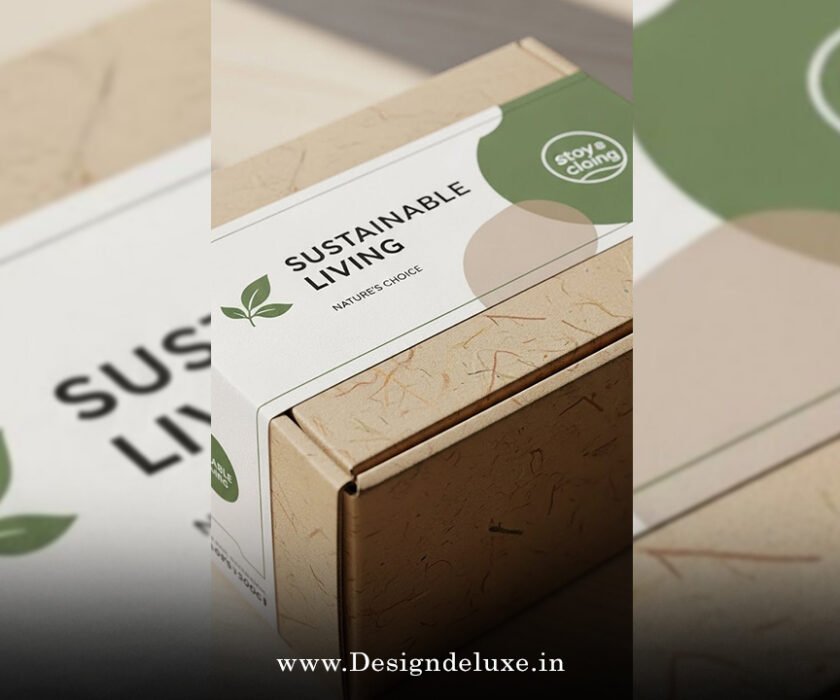
Eco-friendly corrugated packaging design for e-commerce shipping stands out as a practical way to protect products during transit while cutting waste and appealing to conscious buyers in both India and the USA.
Eco-friendly corrugated packaging design for e-commerce shipping means creating shipping boxes from recycled or sustainably sourced corrugated cardboard that minimize environmental impact without sacrificing strength or cost-efficiency. It focuses on right-sized designs, high recycled content, mono-material construction, and easy recyclability to reduce shipping emissions and landfill contributions.
Here’s why it matters right now:
- High recyclability: Corrugated boxes already achieve strong recovery rates and can be recycled multiple times into new packaging.
- Lightweighting potential: Thinner yet durable boards lower fuel use in transport for e-commerce giants and small sellers alike.
- Consumer pull: Shoppers increasingly expect sustainable options; brands that deliver them see better loyalty and fewer returns.
- Regulatory alignment: In the USA, Extended Producer Responsibility (EPR) laws in multiple states push for better design and recycled content. In India, growing e-retail and government green initiatives favor locally produced recycled materials.
- Business upside: Optimized designs cut material and shipping costs while protecting fragile items better than over-packed alternatives.
This approach turns a basic shipping box into a brand asset that feels thoughtful instead of throwaway.
What Makes Corrugated Packaging Eco-Friendly?
Corrugated board consists of a fluted middle layer sandwiched between liners. The magic happens when you source it responsibly.
Key elements of truly eco-friendly versions:
- High post-consumer recycled content (often 70%+).
- FSC-certified virgin fiber when new pulp is needed (ensures forests are managed sustainably).
- Water-based inks and adhesives that don’t hinder recycling.
- No plastic laminates or mixed materials that contaminate streams.
- Designs optimized for minimal material use—right-sizing is non-negotiable.
Here’s the thing: Corrugated isn’t automatically green just because it’s cardboard. A box made with virgin fiber, oversized for the product, and taped with plastic? That’s greenwashing in disguise. Real eco-design balances protection, planet, and profit.
In my experience working with e-commerce brands, the ones that get this right treat packaging as part of the product experience. The box arrives, the customer opens it, and instead of guilt over waste, they feel good about the purchase.
Why E-Commerce Needs This Now (India and USA Context)
E-commerce exploded in both markets. Packages fly through fulfillment centers, trucks, and last-mile delivery. Every extra gram or cubic inch adds up in emissions and fees.
In the USA: States roll out EPR programs. Producers pay fees based on how recyclable or recycled their packaging is. Lightweight, high-recycled-content corrugated helps dodge higher costs. The EPA highlights how efficient materials reduce waste while recovering economic value.
In India: Booming online retail meets push for reduced plastic. Local manufacturers ramp up recycled corrugated production. Right-sized boxes cut expensive domestic shipping costs in a price-sensitive market.
The kicker? Sustainable design often pays for itself. Lower material weight means cheaper shipping. Better protection means fewer damaged returns. Stronger brand perception means repeat buyers.
Think of it like this: Your packaging is the last thing customers touch before they decide whether to buy from you again. Make it forgettable plastic mess or a smart, recyclable corrugated hero?
Core Principles of Eco-Friendly Corrugated Packaging Design
Good design here isn’t about fancy graphics alone (though branding helps). It’s engineering that respects the entire journey.
Essential principles:
- Right-sizing: Fit the product snugly with minimal void space. Use honeycomb paper or corrugated inserts instead of plastic fillers.
- Lightweighting: Downgauge board thickness where possible without losing compression strength.
- Mono-material: Everything (box, tape, labels) should recycle together in standard streams.
- Structural smarts: Choose the right flute (B or C for most e-commerce; E for smaller, premium feel).
- End-of-life clarity: Print simple recycling instructions. Make it easy to flatten and toss in the bin.
One memorable analogy: Designing these boxes is like packing for a long road trip. You want just enough gear to survive the journey—no excess that weighs you down or gets left behind as trash.
Step-by-Step Action Plan for Beginners
Ready to redesign your shipping packaging? Follow this practical sequence. It works whether you’re a small Etsy seller in Maharashtra or scaling in California.
- Assess your products — List weights, dimensions, fragility, and stackability. Note typical shipping routes and handling (rough last-mile in India vs. automated US centers).
- Gather data on current packaging — Measure material use, void fill percentage, damage rates, and shipping costs per order.
- Choose materials — Prioritize recycled-content corrugated. Look for FSC Chain of Custody if mixing virgin fiber. Test samples for your specific loads.
- Design the box — Use CAD or work with a supplier. Optimize internal dimensions first, then external for pallet/truck efficiency. Add minimal internal structures only where needed.
- Prototype and test — Create samples. Run drop, vibration, and compression tests (ISTA standards are a solid reference). Simulate real transit.
- Incorporate branding and info — Use water-based inks. Add a clear “recycle me” message and your brand story. Keep it clean—minimalism wins.
- Source and scale — Partner with suppliers offering custom runs. Start small, measure results (cost, returns, customer feedback), then roll out.
- Monitor and iterate — Track metrics quarterly. Customer surveys reveal what lands well.
This isn’t rocket science, but skipping steps bites you later. I’ve seen brands waste money on pretty boxes that crushed in transit. Test early.
Materials and Features Breakdown
Not all corrugated is equal. Here’s a quick comparison table for common options in eco-friendly e-commerce design:
| Feature | Standard Recycled Corrugated | Lightweight Eco-Optimized | Premium FSC-Mix with Inserts | Typical Use Case |
|---|---|---|---|---|
| Recycled Content | 70-100% | 80%+ | Mix (recycled + certified virgin) | Most e-commerce orders |
| Strength (compression) | Good | Balanced for weight | High | Fragile or heavy items |
| Weight Reduction | Baseline | 10-20% lighter | Moderate | High-volume shipping |
| Cost per Box | Lowest | Slightly higher upfront | Higher | Budget vs. premium branding |
| Recyclability | Excellent | Excellent | Excellent | All curb-side programs |
| Best For | Everyday items | Cost-sensitive scaling | Electronics, glass, gifts | Varies by product fragility |
(Data reflects industry consensus on performance; actuals depend on supplier and testing.)
Lightweighting shines here. Less material doesn’t mean weaker protection when flutes and liners are engineered right.
Design Tips That Actually Work in 2026
Focus on these for real impact:
- Void reduction: Aim for under 20% empty space. Corrugated bubble alternatives or paper-based cushioning beat plastic air pillows.
- Easy open: Perforations or tear strips made from paper. Frustration-free unboxing keeps customers happy.
- Branding without compromise: Matte finishes with soy inks. Tell your sustainability story briefly on the box.
- Regional tweaks: In India, consider humidity-resistant coatings (water-based). In the USA, align with state EPR fee structures by maximizing recycled content.
- Multi-use potential: Some designs convert into storage or returns mailers.
What I usually see succeeding? Brands that treat the box as silent marketing. A clean, sturdy corrugated shipper with a “Made from recycled fibers—recycle again” note builds trust faster than flashy plastic.
Common Mistakes and How to Fix Them
Even experienced teams trip up. Here are the big ones I’ve watched over the years:
- Over-packaging for “premium” feel — Fix: Right-size aggressively. Customers appreciate thoughtful minimalism more than excess.
- Ignoring real-world transit — Fix: Always prototype and test. Lab results ≠ bumpy Indian roads or US parcel hubs.
- Mixing materials that kill recyclability — Fix: Stick to mono-material. Ditch plastic tape for paper versions.
- No end-of-life instructions — Fix: Print clear, visible recycling cues. Make flattening obvious.
- Chasing trends without testing — Fix: Validate every change with cost, protection, and feedback data.
- Sustainability as marketing only — Fix: Back claims with traceable sourcing (FSC helps) and measurable reductions.
The fix is usually simple: Measure twice, cut once. And listen to your fulfillment team—they know what actually survives shipping.
Key Takeaways
- Eco-friendly corrugated packaging design for e-commerce shipping delivers protection plus planet-friendly performance when you prioritize recycled content, right-sizing, and mono-materials.
- It lowers shipping costs, reduces damage returns, and strengthens brand perception in both India and the USA markets.
- Start with product assessment and testing—don’t guess on strength.
- Lightweighting and optimized flutes cut emissions without sacrificing durability.
- Clear recycling messaging turns customers into partners in the circular loop.
- Align designs with local regulations (EPR in US states, green initiatives in India) to future-proof your operations.
- Sustainable doesn’t mean expensive; smart design often saves money at scale.
- Treat packaging as part of the product experience, not an afterthought.
Conclusion
Eco-friendly corrugated packaging design for e-commerce shipping isn’t a nice-to-have anymore. It’s table stakes for brands that want to protect margins, delight customers, and stay ahead of regulations. Get the fundamentals right—strong yet minimal material use, easy recycling, thoughtful sizing—and your shipping boxes become a quiet competitive edge.
Next step? Audit one product line today. Pull current box specs, calculate void space, and order a few prototype samples. Small changes compound fast.
FAQ :
What makes corrugated packaging eco-friendly for e-commerce shipping?
Eco-friendly corrugated packaging uses high post-consumer recycled (PCR) content, lightweight flutes, and mono-material designs that are fully recyclable in standard US curbside programs. It minimizes virgin fiber use while maintaining strength for shipping. High recycling rates (often over 90%) and renewable sourcing from sustainably managed forests make it one of the most circular options available for online retailers.
How does right-sizing corrugated boxes reduce environmental impact in e-commerce?
Right-sizing eliminates excess void space, which cuts material use, lowers package weight, and reduces dimensional shipping fees and fuel consumption during transport. A well-designed corrugated box that fits snugly with minimal cushioning can slash overall carbon footprint per order significantly. Many e-commerce brands report 15-20% savings in material and shipping costs after optimizing sizes.
Can I use recycled corrugated packaging for fragile e-commerce items without risking damage?
Yes—modern lightweight yet strong corrugated designs, combined with internal corrugated inserts or paper-based cushioning, provide excellent protection. Opt for double-wall or engineered flutes for heavier or breakable products. Real-world testing (drop, vibration, compression) is essential. Many brands successfully replace plastic bubble wrap with recycled corrugated bubble or honeycomb alternatives.
Does eco-friendly corrugated packaging cost more for e-commerce operations?
Upfront costs can be slightly higher with premium recycled content or custom designs, but total ownership costs often drop due to lower shipping weights, reduced damage claims, and positive brand perception. At scale, high-PCR corrugated reaches near-parity with virgin options. Factor in EPR fees and customer loyalty—many shoppers prefer and even pay more for sustainable unboxing experiences.
How do I ensure my corrugated packaging design is recyclable in most US locations?
Stick to mono-material corrugated (no plastic laminates, wax coatings, or mixed adhesives). Avoid UV-cured inks or heavy foils where possible. Use water-activated paper tape and minimal labels. Clearly communicate “curbside recyclable” on the box. Check local MRF capabilities, but standard kraft or recycled corrugated boxes enjoy some of the highest recovery rates in the US packaging stream.