BrandLogo Design
Brand identity essentials 100 principles for designing logos and building form the foundation of how any business or project connects with its audience on a deeper level. Have you ever wondered why some brands feel instantly trustworthy while others fade into the background? It often boils down to a thoughtful application of core principles that guide logo creation and overall brand construction. In this comprehensive guide, we’ll dive into brand identity essentials 100 principles for designing logos and building, breaking down actionable insights, timeless rules, and modern twists to help you craft something memorable and authentic.
Whether you’re a startup founder sketching your first mark or a seasoned marketer refreshing an existing identity, these ideas draw from proven design wisdom. Think of logo design as the handshake of your brand—firm, confident, and unforgettable—while building the full identity is like constructing a house where every room (from colors to voice) feels cohesive.
Why Brand Identity Essentials 100 Principles for Designing Logos and Building Matter Today
In a world overloaded with visuals, a strong brand stands out like a lighthouse in fog. Brand identity essentials 100 principles for designing logos and building aren’t just rules; they’re tools to build recognition, evoke emotion, and drive loyalty. A great logo isn’t decoration—it’s a symbol that carries your story. And the broader identity? It ensures consistency across websites, packaging, ads, and social posts.
Research shows consistent branding can boost revenue by up to 23%. That’s no small thing! When you apply brand identity essentials 100 principles for designing logos and building thoughtfully, you create trust. People remember Nike’s swoosh or Apple’s bitten apple not because they’re flashy, but because they embody simplicity, innovation, and reliability.
Understanding the Core of Brand Identity Essentials 100 Principles for Designing Logos and Building
At its heart, brand identity essentials 100 principles for designing logos and building revolve around clarity, relevance, and emotion. A logo must represent your essence in one glance, while the full identity extends that essence everywhere.
The Role of Simplicity in Brand Identity Essentials 100 Principles for Designing Logos and Building
Simplicity tops many lists for good reason. Ever notice how the best logos use few elements? Think FedEx’s hidden arrow or Amazon’s smile. Brand identity essentials 100 principles for designing logos and building emphasize stripping away excess. A cluttered logo confuses; a clean one communicates instantly.
Why does this work? Our brains love easy processing. Simple designs scale better—on a favicon, billboard, or coffee mug. Aim for timeless over trendy. Trends come and go, but simplicity endures.
Versatility: A Key Pillar in Brand Identity Essentials 100 Principles for Designing Logos and Building
Your logo lives in many places. It needs to shine in black and white, tiny sizes, full color, or inverted on dark backgrounds. This versatility principle in brand identity essentials 100 principles for designing logos and building prevents redesign headaches later.
Test it early: Does it work on a mobile screen? Apparel? Vehicle wraps? If not, tweak. Versatile designs adapt without losing impact.
Memorability and Distinctiveness in Brand Identity Essentials 100 Principles for Designing Logos and Building
What makes a logo stick? Uniqueness combined with relevance. Brand identity essentials 100 principles for designing logos and building stress standing out in a sea of sameness. Avoid generic icons—add a twist that ties to your story.
Metaphor helps here. A coffee shop logo with a steaming cup is common; one shaped like a mountain peak (for “peak flavor”) becomes memorable. Distinctiveness builds recall
Essential Elements of Logo Design Within Brand Identity Essentials 100 Principles for Designing Logos and Building
Logos are the centerpiece, so let’s zoom in.
Shape and Form Principles in Brand Identity Essentials 100 Principles for Designing Logos and Building
Shapes carry psychology. Circles feel friendly and inclusive (think Target). Squares suggest stability (banks love them). Triangles imply energy or direction.
In brand identity essentials 100 principles for designing logos and building, choose shapes that align with your personality. A tech brand might lean angular for modernity; a wellness one, soft curves for calm.
Color Psychology and Selection in Brand Identity Essentials 100 Principles for Designing Logos and Building
Color isn’t random. Red sparks excitement (Coca-Cola), blue builds trust (Facebook). Brand identity esentials 100 principles for designing logos and building advise limited palettes—two to four colors max.
Consider cultural meanings too. Red means luck in some places, danger in others. Test your choices with your audience.
Typography Rules in Brand Identity Essentials 100 Principles for Designing Logos and Building
Fonts speak volumes. Serif feels traditional, sans-serif modern. Custom lettering adds uniqueness.
Brand identity esentials 100 principles for designing logos and building recommend readability first. Avoid overly decorative fonts that sacrifice legibility. Pair fonts thoughtfully—one for the wordmark, another for taglines if needed.
Building the Broader Brand Identity: Beyond the Logo
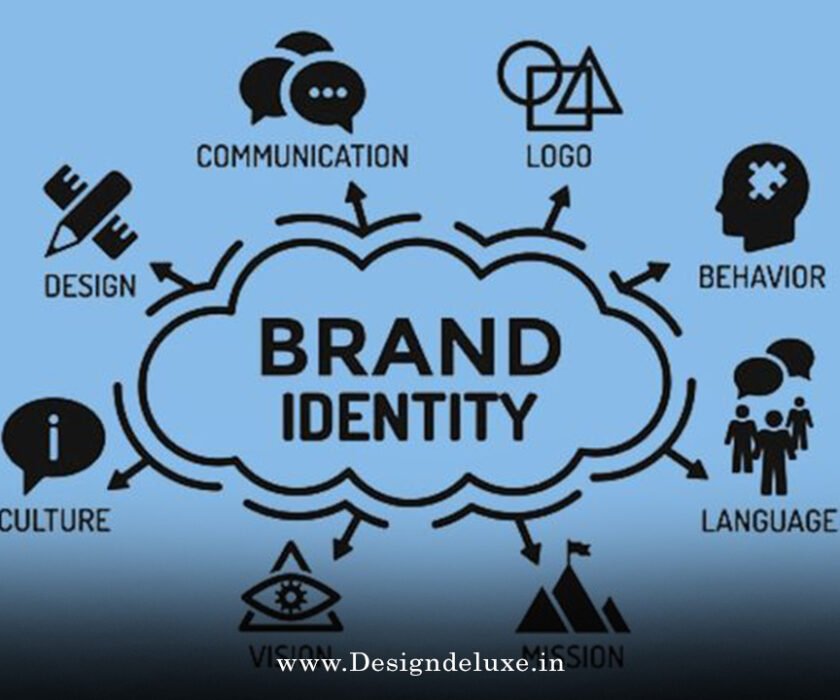
A logo alone isn’t enough. Brand identity essentials 100 principles for designing logos and building extend to every touchpoint.
Color Palette Expansion in Brand Identity Essentials 100 Principles for Designing Logos and Building
Primary colors come from the logo, but add neutrals and accents. Create guidelines for usage—when to use which shade.
Consistency here reinforces recognition. Imagine McDonald’s without golden arches yellow—unthinkable!
Typography Systems in Brand Identity Essentials 100 Principles for Designing Logos and Building
Define heading, body, and accent fonts. Include sizes, weights, and spacing rules. This creates hierarchy and professionalism across materials.
Imagery and Style Guidelines in Brand Identity Essentials 100 Principles for Designing Logos and Building
Photos, illustrations, icons—set the tone. Moody for luxury, bright for fun. Brand identity essentials 100 principles for designing logos and building suggest mood boards to guide choices.
Voice and Tone Consistency in Brand Identity Essentials 100 Principles for Designing Logos and Building
How does your brand “talk”? Friendly? Authoritative? Witty? Align copy with visuals. A playful logo needs playful language.
The Process: Applying Brand Identity Essentials 100 Principles for Designing Logos and Building Step by Step
Start with research. Know your audience, competitors, values.
Brainstorm ideas wildly, then refine ruthlessly. Sketch dozens, pick favorites, iterate.
Prototype across applications. Gather feedback. Refine again.
Document everything in guidelines—your bible for consistency.
Common Mistakes to Avoid in Brand Identity Essentials 100 Principles for Designing Logos and Building
Overcomplicating: Too many elements dilute impact.
Ignoring scalability: Looks great big, awful small.
Chasing trends: Today’s hot style ages fast.
Inconsistency: Different teams using variations erodes trust.
Skipping guidelines: Without rules, chaos ensues.
Modern Twists on Brand Identity Essentials 100 Principles for Designing Logos and Building
In digital times, consider motion. Animated logos for intros add life.
Sustainability influences: Eco-friendly colors or shapes.
Inclusivity: Designs that resonate broadly.
Adaptability for dark mode or AR experiences.
Real-World Inspiration from Brand Identity Essentials 100 Principles for Designing Logos and Building
Look at Apple’s evolution—simpler over time. Or Airbnb’s symbol shift to “belonging.”
These show evolution while staying true to principles.
For deeper dives, check out resources like Adobe’s guide to brand identity design or explore timeless books on the subject.
Also, this overview on brand guidelines elements offers practical tips.
And for logo trends and best practices, see this 2025-focused article.
Conclusion: Embrace Brand Identity Essentials 100 Principles for Designing Logos and Building for Lasting Impact
Brand identity essentials 100 principles for designing logos and building provide a roadmap to create something powerful and enduring. From simplicity and versatility to consistent application across elements like color, type, and voice, these ideas help your brand resonate authentically.
Start small—audit your current identity against these principles. Tweak, test, refine. The effort pays off in recognition, loyalty, and growth. Your brand isn’t just a logo; it’s a promise. Make it one worth keeping.
Ready to build or refresh? Dive in—the principles are here, the creativity is yours.
FAQs on Brand Identity Essentials 100 Principles for Designing Logos and Building
What are the most important brand identity essentials 100 principles for designing logos and building for beginners?
Focus on simplicity, relevance, versatility, and memorability first. These form the core and prevent common pitfalls.
How do brand identity essentials 100 principles for designing logos and building apply to small businesses?
They scale perfectly—start with a clean logo, basic palette, and simple guidelines. Consistency matters more than complexity for limited budgets.
Can brand identity essentials 100 principles for designing logos and building include trends without losing timelessness?
Yes, use trends sparingly (like subtle motion) while grounding in timeless elements like simplicity to avoid quick aging.
Why is documentation key in brand identity essentials 100 principles for designing logos and building?
It ensures everyone—from team members to vendors—uses assets correctly, maintaining cohesion over time.
How often should you revisit brand identity essentials 100 principles for designing logos and building?
Every 5–10 years or during major shifts (rebranding, new markets). Minor refreshes keep it fresh without full overhauls.