Logo Design
Fluid organic shape professional logo creation is transforming how brands connect with audiences in today’s design landscape. Imagine a logo that doesn’t just sit there statically—it’s alive, flowing like water, curling like a vine, or swirling like smoke. That’s the magic of fluid organic shapes in professional logos. They’re everywhere now, from wellness brands to tech startups, because they feel human, approachable, and modern all at once.
In this comprehensive guide, we’ll dive deep into fluid organic shape professional logo creation. Whether you’re a business owner brainstorming your brand identity or a designer honing your skills, you’ll walk away with practical insights, step-by-step advice, and inspiration to craft logos that stand out.
Why Fluid Organic Shape Professional Logo Creation Matters in Modern Branding
Let’s be honest: in a world bombarded by sharp geometric logos and minimalist icons, something soft and flowing catches the eye. Fluid organic shape professional logo creation taps into our natural instincts. These designs mimic forms found in nature—think ripples in a pond, petals unfurling, or clouds drifting. They evoke emotions like calm, creativity, growth, and authenticity.
Psychologically, organic shapes signal warmth and approachability. Unlike rigid squares (stability) or triangles (energy), curves and blobs feel inviting. Brands in wellness, beauty, eco-friendly products, and creative industries love them because they scream “we’re real, we’re human.” And with digital screens everywhere, these fluid forms animate beautifully, turning static marks into dynamic storytelling tools.
Current trends back this up big time. In recent years, logo design has shifted toward biomorphic and liquid-inspired aesthetics. Fluid geometric minimalism blends flowing curves with subtle structure, while natural forms draw from earthy palettes and organic movement. It’s not a fad—it’s a response to consumers craving connection in an increasingly digital world.
Understanding Fluid Organic Shapes: What Makes Them “Professional”?
Not every blob or wavy line qualifies as fluid organic shape professional logo creation. Professional versions balance whimsy with polish. Here’s what sets them apart:
- Smooth, intentional curves: No jagged edges unless deliberate. Think liquid metal or gentle waves.
- Asymmetry with harmony: Perfect symmetry feels robotic; slight imperfections add life.
- Negative space mastery: Clever use of space creates hidden meanings or depth.
- Scalability: They look stunning tiny (favicons) or huge (billboards).
- Versatility: Monochrome versions work, but gradients or subtle animations elevate them.
These shapes often draw from metaballs (blended spheres creating smooth forms) or liquid simulations. The result? Logos that feel alive without being chaotic.
The Psychology Behind Fluid Organic Shape Professional Logo Creation
Ever wonder why a swirling mark feels more trustworthy than a boxy one? It’s science. Organic shapes trigger associations with nature—growth, flexibility, life. They lower defenses, making brands seem friendly and innovative.
For example, curves evoke comfort and femininity, while fluid motion suggests adaptability. In branding, this translates to trust. A wellness app with a soft, flowing icon instantly communicates relaxation. A tech brand using subtle organic fluidity appears cutting-edge yet approachable, avoiding the coldness of pure geometry.
Rhetorical question: Wouldn’t you rather trust a brand that feels like a gentle breeze than one that looks like a steel trap?
Step-by-Step Guide to Fluid Organic Shape Professional Logo Creation
Ready to create your own? Here’s a practical, beginner-friendly process.
1. Start with Research and Inspiration
Before touching tools, define your brand. What emotions do you want? Calm? Energetic? Innovative? Mood boards help—collect images of water, leaves, smoke, or abstract art. Study successful examples: think of flowing scripts like Coca-Cola’s timeless curves or modern blob-inspired marks in creative agencies.
2. Sketch Freely (Analog First)
Grab pencil and paper. Doodle without rules. Let lines flow. Start with basic circles, overlap them, blend edges. This captures spontaneity that digital tools sometimes stifle. Scan sketches later for digitizing.
3. Choose the Right Tools
Adobe Illustrator reigns for vector precision. Use the Blob Brush or Pen Tool for organic paths. The Shape Builder combines shapes seamlessly. For quicker ideation, try Affinity Designer or free alternatives like Inkscape.
Emerging AI tools assist with generative fills—prompt “fluid organic abstract shape in teal” for inspiration. But always refine manually for professionalism.
4. Build the Core Shape
Begin simple: overlap ellipses or circles. Use the Pathfinder to unite or blend. Add the Roughen effect subtly for natural texture. Warp tools twist forms into fluid motion. Aim for balance—too many blobs overwhelm.
5. Incorporate Typography
Pair fluid shapes with complementary fonts. Sans-serifs with soft terminals work, or custom lettering that flows into the icon. Ensure readability at small sizes.
6. Play with Color and Gradients
Earthy tones (sage, terracotta) suit natural vibes, while vibrant gradients add energy. Use monochromatic versions for versatility. Tools like Adobe Color generate harmonious palettes.
7. Test for Versatility
Check in black/white, inverted, tiny sizes. Does it hold up? Animate subtly if digital—morphing shapes engage users.
8. Refine and Get Feedback
Iterate. Simplify. Professional fluid organic shape professional logo creation often means subtracting more than adding.
Common Mistakes to Avoid in Fluid Organic Shape Professional Logo Creation
Even pros slip up. Avoid these:
- Overcomplicating: Too many swirls confuse.
- Poor scalability: Blurry at small sizes kills it.
- Ignoring contrast: Low-contrast gradients fail in monochrome.
- Trend-chasing blindly: Make it brand-specific, not just “trendy.”
Inspiring Examples of Fluid Organic Shape Professional Logo Creation
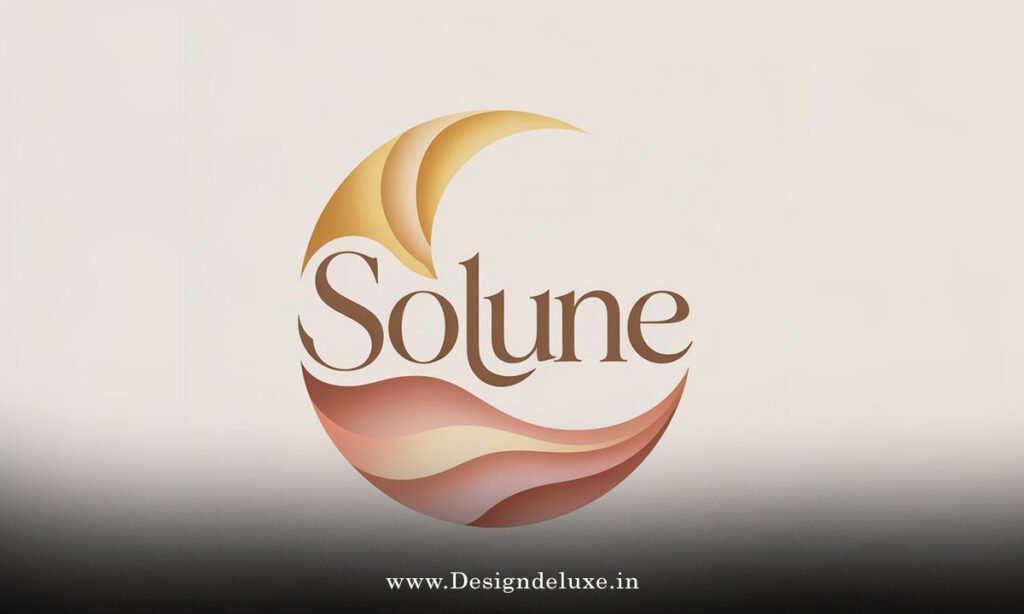
Look at real-world wins. Modern brands embrace liquid logos with smooth, organic forms that suggest motion and adaptability. Wellness brands often use petal-like curves for growth vibes. Tech companies blend fluidity with minimalism for futuristic yet human appeal.
Classic inspirations include flowing scripts that feel handwritten and alive. Current designs feature blob-like marks that morph elegantly, proving organic doesn’t mean unprofessional.
Tools and Resources for Mastering Fluid Organic Shape Professional Logo Creation
Beyond Illustrator, explore Canva for quick templates or Figma for collaborative work. Stock sites offer fluid shape vectors as starting points. Communities like Behance or Dribbble showcase portfolios—study them.
For deeper learning, check high-authority resources:
- Explore logo trends and reports at LogoLounge for cutting-edge insights.
- Adobe’s design blog offers tutorials on organic vector techniques—visit Adobe Express.
- For shape psychology and best practices, see Ramotion’s guide.
These sites provide credible, up-to-date expertise.
Advanced Techniques in Fluid Organic Shape Professional Logo Creation
Once basics click, level up:
- Gradient meshes for realistic liquid effects.
- Blend tool for smooth transitions.
- Animation prep with SVG for web motion.
- 3D extrusion (subtly) for depth without losing flat versatility.
Experiment with cultural inspirations—Japanese ink flows or Celtic knots—for unique twists.
Conclusion: Bring Your Brand to Life with Fluid Organic Shape Professional Logo Creation
Fluid organic shape professional logo creation isn’t just a trend—it’s a powerful way to humanize your brand in a digital age. By embracing flowing curves, natural inspiration, and thoughtful execution, you create marks that feel alive, trustworthy, and memorable. Start sketching today. Your perfect logo is waiting in those effortless lines.
Ready to dive in? Grab your tools and let creativity flow. Your brand deserves a logo as dynamic as your vision.
FAQs
What is fluid organic shape professional logo creation exactly?
Fluid organic shape professional logo creation involves designing logos with smooth, nature-inspired curves and flowing forms rather than sharp geometric lines. It creates approachable, modern identities perfect for brands seeking warmth and dynamism.
Why choose fluid organic shape professional logo creation over geometric designs?
Geometric logos convey structure and reliability, but fluid organic shapes feel more human and inviting. They’re ideal for creative, wellness, or eco-focused brands, evoking emotions like growth and flexibility that rigid shapes can’t match.
What software is best for fluid organic shape professional logo creation?
Adobe Illustrator excels with tools like the Blob Brush and Shape Builder for precise organic forms. Alternatives include Affinity Designer for affordability or Figma for collaboration. Start simple and refine for professional results.
How do I ensure my fluid organic shape professional logo creation is scalable?
Always work in vector format. Test at tiny sizes (like 16×16 pixels), in black/white, and inverted. Simplify details if needed—professional designs maintain clarity across mediums.
Can beginners succeed at fluid organic shape professional logo creation?
Absolutely! Start with sketches, use basic shapes to build forms, and practice blending. Tutorials abound, and AI can spark ideas. Focus on your brand story, and iterate until it feels right.