Hey there! If you’re wondering what will make websites feel truly alive and human in 2026, you’ve landed in the right place. Web design trends 2026 with organic shapes and micro animations are stealing the spotlight, moving us away from cold, rigid grids toward something warmer, more fluid, and delightfully interactive. Picture this: instead of sharp boxes boxing in your content, gentle curves and blob-like forms flow across the screen like water, while tiny, thoughtful movements respond to your every hover or scroll. It’s like the web is finally breathing.
As someone who’s watched design evolve over the years, I can tell you this shift isn’t just pretty—it’s a response to our craving for connection in an increasingly digital world. After years of flat minimalism and AI-generated perfection, designers in 2026 are embracing imperfection and humanity. Let’s dive deep into why web design trends 2026 with organic shapes and micro animations matter, how they’re transforming experiences, and how you can start using them today.
Why Web Design Trends 2026 with Organic Shapes and Micro Animations Are Dominating
Remember when every website looked like a corporate spreadsheet? Those days are fading fast. In 2026, the big push is toward designs that feel natural and approachable. Rigid structures are out; fluidity is in. This evolution reflects a broader cultural mood: people want tech that feels less robotic and more relatable.
Organic shapes—those irregular, biomorphic blobs, waves, and soft curves—bring a sense of nature into the digital space. They’re inspired by everything from pebbles on a beach to cloud formations, creating asymmetry that guides the eye intuitively. Pair that with micro animations, those subtle movements that react to user input, and suddenly your site isn’t just viewed—it’s experienced. These elements together boost engagement, reduce bounce rates, and make brands memorable.
Experts agree this isn’t a fleeting fad. As tools like advanced CSS, SVG masks, and lightweight animation libraries mature, implementing web design trends 2026 with organic shapes and micro animations has become more accessible than ever, even for smaller teams.
Understanding Organic Shapes in Web Design Trends 2026 with Organic Shapes and Micro Animations
So, what exactly are organic shapes? Think of them as the opposite of geometric perfection. Instead of straight lines and perfect circles, you get flowing, irregular forms—blobs, waves, amoeba-like cutouts, and soft-edged overlays. These shapes break free from traditional grids, creating anti-grid layouts that feel dynamic and alive.
The Rise of Anti-Grid Layouts and Fluid Forms
Gone are the days when everything had to align perfectly. In web design trends 2026 with organic shapes and micro animations, asymmetry rules. Designers layer these shapes to create rhythm and movement, drawing users through the page naturally. For instance, a hero section might feature a large, wavy blob that overlaps text and images, softening the overall look.
This approach makes sites feel human-centered. Why? Because real life isn’t grid-based—nature is messy, flowing, and unpredictable. When users encounter web design trends 2026 with organic shapes and micro animations, they subconsciously feel more comfortable, leading to longer sessions and deeper connections.
How Organic Shapes Enhance User Experience and Branding
Organic shapes aren’t just visual candy—they solve real problems. They guide attention without harsh arrows or borders, evoke emotions (think calm for wellness brands, playful for creative agencies), and differentiate your site in a sea of templates. Brands using these shapes appear innovative yet approachable.
Take a creative portfolio site: curved section dividers and overlapping blobs make scrolling feel like drifting through an art gallery. Or an e-commerce page where product cards float in soft, irregular containers—these little touches make shopping less transactional and more enjoyable.
Micro Animations: The Secret Sauce of Web Design Trends 2026 with Organic Shapes and Micro Animations
Now, let’s talk about the magic that makes organic shapes pop—micro animations. These are small, purposeful movements: a button that gently pulses, a shape that ripples on hover, or text that subtly breathes as you scroll past.
What Makes Micro Animations So Powerful in 2026
Unlike flashy, resource-heavy animations of the past, 2026’s micro animations are subtle and performance-focused. They provide feedback (did I click that?), guide attention (look here next!), and add delight without overwhelming.
In web design trends 2026 with organic shapes and micro animations, these tiny interactions pair perfectly with fluid forms. Imagine hovering over a blob-shaped card—it expands softly, colors shift with a gentle gradient fade, and a faint glow appears. That moment turns passive browsing into an active conversation.
Best Practices for Implementing Micro Animations Without Killing Performance
Keep it light! Use CSS transitions and transforms instead of heavy JavaScript libraries whenever possible. Tools like Webflow or Elementor make this easy with built-in effects. Always include reduced-motion options for accessibility—users with vestibular issues will thank you.
Focus on purpose: animate to clarify (a form field highlights when focused), reward (a checkmark bounces on submission), or surprise (a shape wiggles playfully on load). Done right, these details in web design trends 2026 with organic shapes and micro animations boost conversions by making interactions feel responsive and fun.
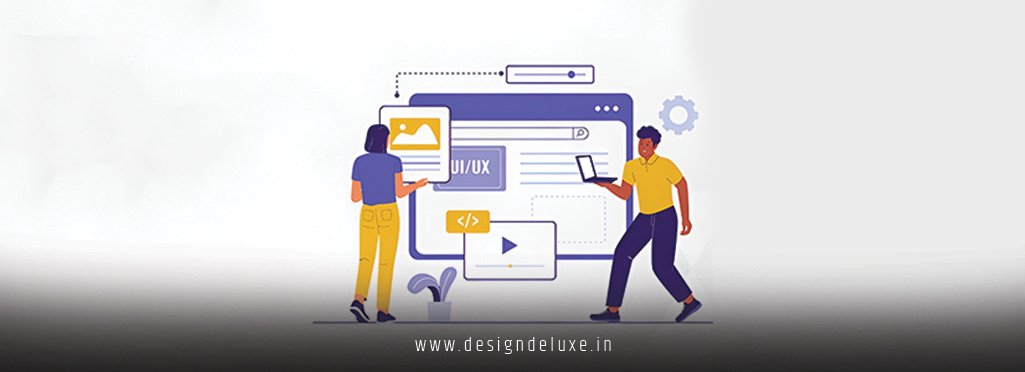
Combining Organic Shapes and Micro Animations for Maximum Impact
Here’s where the real excitement happens: when organic shapes meet micro animations. The combo creates immersive, breathing interfaces that feel premium yet approachable.
For example, a landing page with wave-like organic dividers that subtly shift on scroll, paired with hover-triggered ripples on buttons. Or a navigation menu where items float in blob containers, expanding with a soft bounce when clicked.
This synergy aligns with broader 2026 shifts toward human-centric design—warmth, empathy, and emotional connection. It’s not about being trendy; it’s about crafting experiences people love returning to.
Check out inspiring examples on high-authority sites like Awwwards for award-winning organic designs, Dribbble for micro animation showcases, and Elementor for practical implementation guides.
Challenges and Solutions in Adopting Web Design Trends 2026 with Organic Shapes and Micro Animations
Of course, no trend is perfect. Organic layouts can sometimes sacrifice readability if overdone, and micro animations risk slowing page speed.
The fix? Prioritize performance: optimize SVGs, lazy-load elements, and test on real devices. Start small—add one organic section or a few targeted animations—and iterate based on user feedback.
Accessibility remains key: ensure sufficient contrast, keyboard navigation, and motion controls. When handled thoughtfully, web design trends 2026 with organic shapes and micro animations enhance inclusivity rather than hinder it.
The Future Outlook: Where Web Design Trends 2026 with Organic Shapes and Micro Animations Are Headed
Looking ahead, expect even more integration with AI tools that auto-generate fluid shapes, voice/gesture-responsive micro animations, and sustainable, lightweight implementations. This duo will likely blend with 3D elements and personalization, creating hyper-immersive yet human experiences.
Conclusion: Embrace Web Design Trends 2026 with Organic Shapes and Micro Animations Today
Web design trends 2026 with organic shapes and micro animations represent more than aesthetics—they’re a celebration of humanity in digital spaces. By softening rigid structures with flowing forms and adding subtle life through tiny movements, you’re creating sites that feel welcoming, engaging, and unforgettable.
Don’t wait for everyone else to catch up. Experiment with these ideas on your next project, watch user engagement soar, and watch your brand stand out. The future of the web is softer, more responsive, and infinitely more human—what are you waiting for?
FAQs
What are the key benefits of following web design trends 2026 with organic shapes and micro animations?
These trends make websites feel more natural and interactive, improving user engagement, reducing bounce rates, and building stronger emotional connections with visitors.
How can beginners implement web design trends 2026 with organic shapes and micro animations without advanced coding skills?
Use no-code tools like Elementor, Webflow, or Figma plugins to create fluid shapes with SVGs and add simple CSS-based micro animations through drag-and-drop interfaces.
Do web design trends 2026 with organic shapes and micro animations impact SEO and performance?
Yes—when optimized (lightweight assets, reduced motion options), they enhance dwell time and user signals that Google loves, without hurting Core Web Vitals.
Are organic shapes and micro animations suitable for all types of websites in web design trends 2026 with organic shapes and micro animations?
Mostly yes, but use restraint on corporate or data-heavy sites. They’re ideal for creative, e-commerce, portfolio, and wellness brands seeking a human touch.
How do web design trends 2026 with organic shapes and micro animations improve accessibility?
They can guide users intuitively and provide feedback, but always include accessibility features like motion reduction and high contrast to ensure inclusivity.