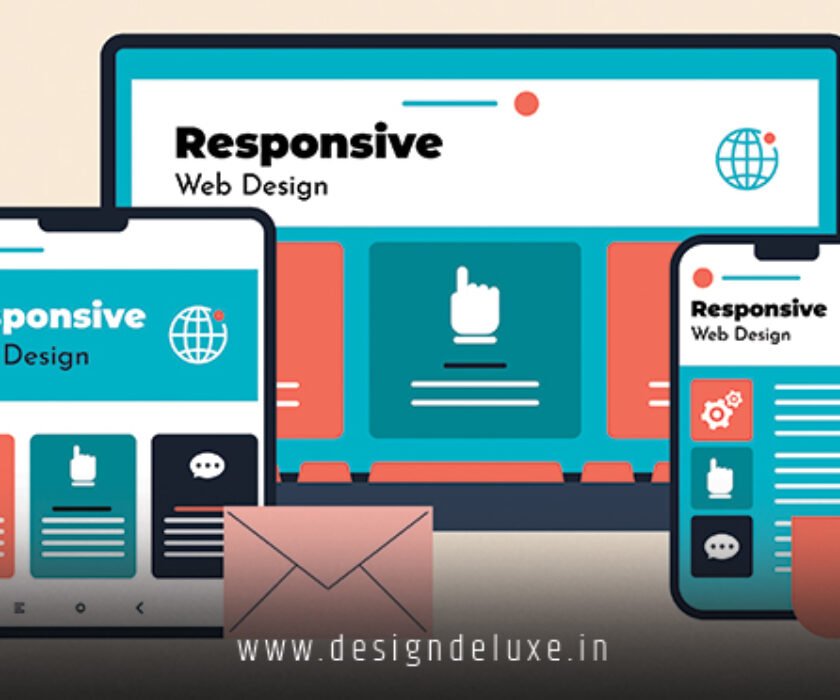
Sustainable UX design practices for web applications 2026 aren’t just a trendy checkbox anymore—they’re becoming a core expectation. As we step deeper into 2026, the digital world is waking up to a harsh reality: every pixel, animation, and data request contributes to the planet’s carbon footprint. Imagine your favorite web app as a car: flashy features might look cool, but if it’s guzzling gas (or energy) unnecessarily, it’s hurting more than helping.
In this comprehensive guide, we’ll explore how sustainable UX design practices for web applications 2026 blend environmental responsibility with exceptional user experiences. You’ll learn practical strategies that make your apps lighter, faster, and kinder to the Earth—without sacrificing delight or functionality. Whether you’re a designer, developer, or product owner, these approaches will help you build web applications that feel good to use and good for the future.
Why Sustainable UX Design Practices for Web Applications 2026 Matter More Than Ever
Let’s be honest: the internet is massive. Data centers, networks, and our devices consume electricity equivalent to entire industries. By 2026, the ICT sector’s emissions are projected to rival major polluters, and users are noticing. Surveys show that a growing number of people prefer brands with greener digital presences—it’s not just about ethics; it’s smart business.
Sustainable UX design practices for web applications 2026 bridge this gap. They reduce energy use while improving performance, accessibility, and user satisfaction. Faster-loading pages mean happier users and better SEO. Think about it: a lean app doesn’t just save the planet a bit of CO2—it keeps users engaged longer because nothing lags.
The good news? Many of these changes align perfectly with timeless UX principles. Efficiency breeds elegance.
Core Principles of Sustainable UX Design Practices for Web Applications 2026
At its heart, sustainable UX design practices for web applications 2026 follow a few guiding rules: efficiency, longevity, and mindfulness.
First, prioritize efficiency. Every byte transferred costs energy. Second, design for longevity—create timeless interfaces that don’t need constant redesigns. Third, be mindful of the full lifecycle, from data centers to the user’s device battery.
This isn’t about stripping away beauty; it’s about intentional choices. Like a minimalist home that feels spacious because everything has purpose, sustainable apps feel intuitive because they eliminate digital clutter.
Efficiency in Visual Design
Start with visuals—they’re often the biggest energy hogs.
- Dark mode as default — OLED/AMOLED screens use far less power displaying dark colors. In 2026, offering an adaptive dark mode isn’t optional; it’s a sustainability win that users love for eye comfort too.
- Optimized imagery and media — Compress images aggressively without losing quality. Use next-gen formats like AVIF or WebP. Lazy-load off-screen elements, and avoid autoplay videos. A single unoptimized hero image can double your page’s carbon footprint!
- Minimalist yet meaningful animations — Subtle micro-interactions add delight, but heavy parallax or endless loops drain batteries. Ask yourself: Does this animation serve the user, or is it just eye candy?
Here are some visual examples of efficient design choices in action:
These showcase clean, low-weight interfaces that feel modern without excess.
Performance Optimization as a Sustainability Pillar in Sustainable UX Design Practices for Web Applications 2026
Performance isn’t separate from sustainability—it’s intertwined.
Sustainable UX design practices for web applications 2026 demand Core Web Vitals mastery. A page that loads in under 2.5 seconds feels responsive and uses less energy.
Techniques include:
- Code splitting and tree-shaking to load only what’s needed.
- Efficient caching strategies so repeat visits sip data.
- Avoiding heavy third-party scripts—each tracker adds requests and emissions.
Tools like Google’s Lighthouse or the Website Carbon Calculator help measure impact. Run your app through them regularly; small tweaks can cut emissions by 50-70%.

User-Centered Choices That Promote Sustainability
Here’s where UX shines brightest in sustainable UX design practices for web applications 2026—nudging users toward greener behaviors without feeling preachy.
- Default to low-data modes.
- Offer “eco-friendly” options, like lighter themes or reduced animations.
- Highlight impact: “This choice saved X grams of CO2!”
This builds trust. Users feel empowered, not lectured.
Accessibility: The Overlooked Sustainability Superpower
Inclusive design extends product life, reducing redesign waste. In 2026, WCAG compliance is table stakes.
High-contrast modes, keyboard navigation, and alt text aren’t just ethical—they make apps usable on low-power devices in poor lighting, broadening reach sustainably.
Tools and Resources for Implementing Sustainable UX Design Practices for Web Applications 2026
You don’t have to reinvent the wheel.
- Website Carbon Calculator — Free tool from Wholegrain Digital to estimate emissions.
- Sustainable Web Design Model — Guidelines for measuring and reducing impact.
- Green hosting providers like those certified by the Green Web Foundation.
For deeper dives, check these high-authority resources:
- Learn more about the Sustainable Web Design principles.
- Explore Website Carbon Calculator for real-time audits.
- Read the latest on W3C Web Sustainability Guidelines.
Emerging Trends Shaping Sustain
able UX Design Practices for Web Applications 2026
Looking ahead, AI plays a positive role—optimizing layouts automatically for lower energy use.
Carbon-aware designs (adapting based on grid intensity) and modular components for easy updates keep apps fresh without full rebuilds.
The future? Interfaces that feel alive yet light, like a breath of fresh air in a crowded digital world.
Conclusion: Your Turn to Build Greener Web Applications
Sustainable UX design practices for web applications 2026 represent a shift from “nice-to-have” to essential. By focusing on efficiency, intentional visuals, performance, and user empowerment, you create apps that perform better, convert higher, and leave a lighter footprint. It’s not about perfection—it’s about progress. Start small: audit one page, optimize one image, enable dark mode. Your users—and the planet—will thank you. Let’s design a digital world worth keeping.
FAQs
What are the main benefits of adopting sustainable UX design practices for web applications 2026?
They reduce carbon emissions, improve site speed and SEO, lower bounce rates, build user trust, and often cut hosting costs—all while delivering delightful experiences.
How can I measure the impact of sustainable UX design practices for web applications 2026 on my project?
Use free tools like the Website Carbon Calculator to estimate CO2 per pageview. Track Core Web Vitals and compare before/after metrics for performance gains.
Do sustainable UX design practices for web applications 2026 compromise visual appeal?
Not at all! Many eco-friendly choices—like dark mode, optimized media, and clean layouts—enhance aesthetics and usability, making apps feel more premium.
Is dark mode really that important in sustainable UX design practices for web applications 2026?
Yes—on OLED screens, it significantly reduces power consumption. It’s also easier on eyes, boosting accessibility and session times.
How do sustainable UX design practices for web applications 2026 align with accessibility standards?
They overlap heavily: efficient code, high contrast, and inclusive features reduce rework and extend app longevity, making sustainability and accessibility natural allies.