Sustainable brand identity design for eco-friendly startups is more crucial than ever in today’s market. As consumers increasingly demand authenticity from brands that claim to care about the planet, startups focused on green solutions can’t afford to have a mismatched visual story. Imagine launching a zero-waste product line only to have a flashy, plastic-heavy logo that screams “fast fashion” instead of “forever planet.” That disconnect? It’s a brand killer. In this comprehensive guide, we’ll dive deep into how you can craft a compelling, genuine sustainable brand identity design for eco-friendly startups that not only looks good but actually walks the talk.
Why Sustainable Brand Identity Design for Eco-Friendly Startups Matters in 2025 and Beyond
Let’s face it: the eco-market is booming, but so is skepticism. Shoppers have seen too many “greenwashing” scandals to trust glossy claims without proof. A strong sustainable brand identity design for eco-friendly startups acts as your visual promise—it’s the first handshake with your audience. When done right, it builds trust, differentiates you from competitors, and turns casual browsers into loyal advocates.
Think about it. Your brand identity isn’t just a logo or color scheme; it’s the entire ecosystem of visuals that communicates your mission. For startups, where budgets are tight and every impression counts, getting this right early saves headaches later. Plus, with regulations tightening around sustainability claims, a credible identity protects you legally while boosting your appeal to conscious investors and customers.
Understanding the Core Elements of Sustainable Brand Identity Design for Eco-Friendly Startups
At its heart, sustainable brand identity design for eco-friendly startups revolves around authenticity, minimalism, and harmony with nature. Unlike traditional branding that might chase trends, this approach prioritizes longevity—both in design durability and environmental impact.
Logo Design: Simple, Symbolic, and Timeless
Your logo is the flagship of your sustainable brand identity design for eco-friendly startups. Go minimalist. Overly complex designs waste ink and look dated quickly. Instead, opt for clean lines that incorporate subtle nature-inspired symbols—like a stylized leaf, droplet, or recycled arrow—without being cliché.
For instance, consider how some successful eco-startups use negative space cleverly to hide eco-messages in plain sight. The key? Scalability. Your logo must look sharp on a tiny app icon or a massive billboard. Test it in black and white first; if it works there, colors will only enhance it.
Color Palette: Earthy Tones That Speak Volumes
Color psychology plays a huge role here. Green remains king for obvious reasons—it evokes growth, freshness, and nature—but don’t stop there. Layer in soft blues for trust and calm waters, warm terracottas for grounded earthiness, and muted neutrals like oat or sage for versatility.
Avoid neon greens that feel artificial; they scream “trying too hard.” Instead, draw from real nature: forest moss, ocean depths, sun-baked soil. These palettes feel organic and reassuring, aligning perfectly with sustainable brand identity design for eco-friendly startups.
Typography: Eco-Friendly Fonts That Feel Approachable
Fonts matter more than you think. Choose sans-serif options for modernity and readability—think clean, open letterforms that don’t crowd the page. Serif fonts can work if they’re subtle and hand-drawn inspired, adding warmth.
Steer clear of ultra-bold or condensed types that require heavy ink usage in print. Digital-first? Prioritize web-safe, lightweight fonts to reduce loading times and energy consumption. Yes, even font choice ties into sustainability!
Imagery and Iconography: Authentic Visual Storytelling
Stock photos of smiling models in pristine forests? Pass. For sustainable brand identity design for eco-friendly startups, use real photography from your processes—behind-the-scenes shots of recycled materials, team members planting trees, or product lifecycle visuals.
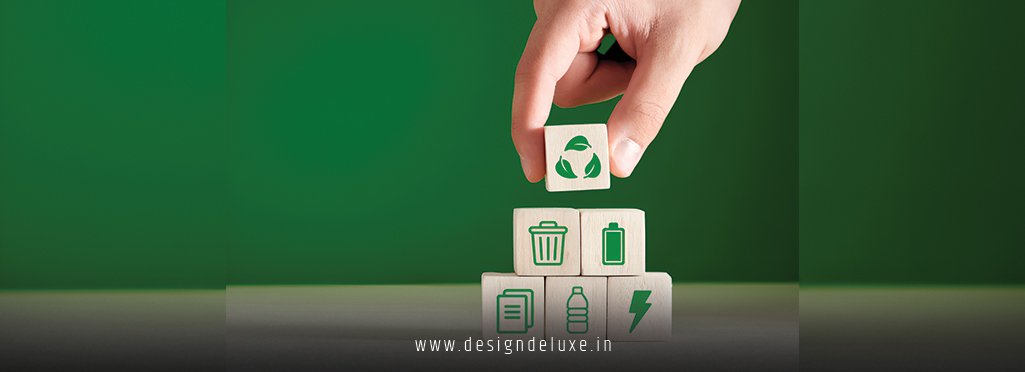
Illustrations shine here too. Hand-drawn, organic styles feel personal and artisanal. Icons should be simple line art: think leaf veins, water ripples, or circular arrows symbolizing circular economy principles.
Step-by-Step Guide to Creating Sustainable Brand Identity Design for Eco-Friendly Startups
Ready to build yours? Here’s a practical roadmap.
Step 1: Define Your Core Values and Mission
Before touching design tools, ask: What problem are you solving? Who benefits the planet most from your work? Document your values—transparency, circularity, low-impact materials—and let them guide every decision.
Step 2: Research and Audit Competitors
Look at what other eco-startups do well (and poorly). Note common pitfalls like overusing green or generic leaf icons. Find your unique angle—maybe you’re urban-focused or tech-driven—and differentiate.
Step 3: Develop Mood Boards and Style Guides
Gather inspirations: natural textures, recycled paper swatches, minimalist layouts. Create a digital mood board. Then formalize into a brand style guide covering logo variations, color codes (with hex, RGB, CMYK for print sustainability), typography rules, and do’s/don’ts.
Step 4: Choose Sustainable Materials for Physical Assets
Your identity extends to business cards, packaging, and merch. Use recycled paper, soy-based inks, plantable seed paper. Digital? Optimize websites for low energy use—compress images, efficient code.
Step 5: Test and Iterate
Share mockups with your target audience. Does it feel authentic? Trustworthy? Refine based on feedback.
Common Mistakes to Avoid in Sustainable Brand Identity Design for Eco-Friendly Startups
Even well-intentioned founders slip up. Greenwashing tops the list—claiming sustainability without backing it up. Inconsistent application across channels confuses people. Over-designing with too many elements dilutes the message. Ignoring accessibility (like low-contrast colors) alienates users. And forgetting scalability—your identity must grow with you.
Benefits of Investing in Proper Sustainable Brand Identity Design for Eco-Friendly Startups
The payoff? Higher customer loyalty—studies show conscious consumers pay premiums for aligned brands. Better investor appeal in the green funding boom. Stronger differentiation in crowded markets. And personal satisfaction: knowing your visuals match your values feels incredible.
Real-World Inspiration from Eco Startups
Look at brands like Patagonia (timeless outdoor ethos with repair-focused messaging) or Notpla (innovative, seaweed-based packaging with playful yet clear visuals). These examples show how sustainable brand identity design for eco-friendly startups can drive real impact.
For deeper dives, check out resources from high-authority sites like Sustainable Brands for strategy insights, Forbes on green business trends, and Nielsen’s consumer sustainability reports.
Conclusion: Take the Leap Toward Authentic Branding
Sustainable brand identity design for eco-friendly startups isn’t a nice-to-have—it’s essential for survival and success. By focusing on authenticity, minimalism, nature-inspired elements, and transparency, you create a visual language that resonates deeply. Start small: audit your current identity, define your values, and build step by step. Your planet-positive mission deserves visuals that match its power. The world needs more genuine green brands—yours could be next. What are you waiting for?
FAQs
What is sustainable brand identity design for eco-friendly startups exactly?
It’s the process of creating visual elements—like logos, colors, fonts, and imagery—that genuinely reflect a startup’s environmental commitment, using eco-conscious principles to build trust and stand out.
Why is sustainable brand identity design for eco-friendly startups important for customer trust?
In an era of greenwashing, a cohesive, authentic identity proves your values aren’t just talk. It reassures eco-conscious buyers that your brand aligns with their priorities.
How can startups on a budget implement sustainable brand identity design for eco-friendly startups?
Start with free tools for mood boards, choose open-source fonts, use recycled materials sparingly for key assets, and focus on digital-first assets to minimize waste.
What colors work best in sustainable brand identity design for eco-friendly startups?
Earthy greens, soft blues, warm browns, and neutrals evoke nature and trust without feeling forced—always test for accessibility and emotional impact.
Can sustainable brand identity design for eco-friendly startups evolve over time?
Absolutely. As your startup grows, refresh elements thoughtfully—maintain core principles while updating for new innovations, ensuring consistency and relevance.