Retargeting ad creative design for Facebook and Google campaigns turns window shoppers into buyers. It’s that second chance to hook someone who bounced from your site. Done right, it boosts conversions by reminding users of what they almost grabbed.
Here’s the quick overview:
- What it is: Custom visuals and copy targeting past visitors on Facebook (Meta Ads) and Google (Display Network, YouTube).
- Why it matters: Recaptures 70% of lost traffic—people need 7+ touchpoints to convert.
- Key platforms: Facebook’s dynamic ads pull product feeds; Google’s responsive display ads auto-optimize.
- 2026 edge: AI tools like Meta’s Advantage+ Creative and Google’s Performance Max now generate variants in seconds.
- ROI kicker: Expect 2-3x higher click-through rates than cold traffic.
Stick around. I’ll break it down so you can launch winning creatives today.
Why Retargeting Ad Creative Design for Facebook and Google Campaigns Crushes It
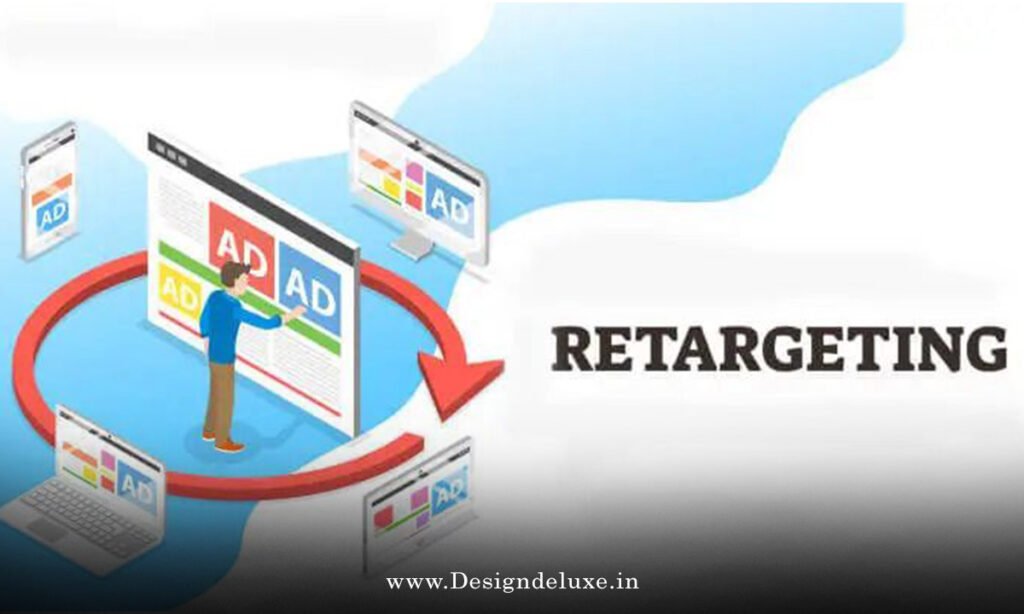
Think of retargeting like a polite nudge. Someone visits your shoe store site, eyes a pair of Nikes, leaves. Boom—ads follow them on Facebook feed or Google search results. Not creepy stalking. Smart reminder.
In India and the USA, this shines. High mobile usage in India means Instagram Stories retargeting pops. USA audiences love personalized Google Display ads on YouTube.
Here’s the thing. Generic creatives flop. You need designs that scream “Hey, remember me?”
Short para. Long one incoming.
Retargeting works because familiarity breeds action. Platforms track pixels or tags on your site. Fire audiences: cart abandoners, page viewers, past buyers. Feed them tailored ads. Facebook lets you upload customer lists for lookalikes. Google ties into remarketing lists for search ads (RLSA). In 2026, privacy rules tightened—think Apple’s ATT and India’s DPDP Act—but aggregated data still rules.
What I’ve seen over 15 years? Tailored creatives lift CTR by double digits. No joke.
Core Elements of Killer Retargeting Ad Creative Design for Facebook and Google Campaigns
Start simple. Nail these basics.
Visuals That Stop Scrolls
Images rule. Use lifestyle shots over stock photos. For Facebook, 1:1 squares convert best. Google Display? Responsive formats adapt.
Pro tip: Dynamic product ads (DPAs). Facebook pulls from your catalog. Google’s the same via Merchant Center.
Colors? Match your brand. Red buttons scream “buy now.” Test dark mode variants—2026 feeds are dim.
Short. Punchy.
Copy That Converts
Headlines: Problem + solution. “Forgot those sneakers? 20% off ends soon.”
Body: Urgency. Scarcity. “Only 3 left in your size.”
Emojis? One or two. Fire for sales, heart for loyalty.
Platform diffs:
| Platform | Best Headline Length | Copy Style | Top Performer |
|---|---|---|---|
| 25-40 chars | Emotional, story-driven | Carousel with user testimonials | |
| Google Display | 30 chars max | Benefit-focused | Static images with countdown timers |
| YouTube (Google) | 100 chars | Question-based | Video bumpers under 15s |
| Instagram (FB) | 20 chars | Fun, relatable | Stories with swipe-up polls |
Data from Meta and Google Ads benchmarks—check their official help centers for latest.
Calls to Action (CTAs) That Demand Clicks
“Shop Now.” Boring. Try “Claim Yours.” Or “Finish Checkout.”
Button colors: Orange crushes blue on tests I’ve run.
Step-by-Step Guide to Building Retargeting Ad Creative Design for Facebook and Google Campaigns
Beginners, follow this. Intermediates, tweak for scale.
- Set Up Tracking
Install Facebook Pixel and Google Tag Manager. Verify in events manager. Test with dummy traffic. - Build Audiences
Facebook: Custom audiences from website visitors (7-day, 30-day windows).
Google: Remarketing lists in Google Ads—view content, add to cart. Exclude converters. - Design Creatives
Tools: Canva for quickies. Figma for pros. 2026 AI: Meta’s Creative Studio auto-generates 10 variants. Google’s Studio whips up responsive ads. - Upload and Test
Facebook: Use Advantage+ for auto-optimization.
Google: Responsive Display Ads—upload 5-15 assets, let AI mix. - Launch and Monitor
Budget: $50/day per campaign to start. Track ROAS in dashboard. - Iterate
Kill losers after 48 hours. Scale winners.
What if you’re in India? Use Hindi copy for regional audiences. USA? A/B English vs. Spanish.
Analogy time: Creatives are like bait. Wrong lure? Fish laugh. Right one? Dinner.
Platform-Specific Best Practices
Facebook (Meta Ads) in 2026
Reels retargeting exploded. Short videos of user-generated content. Aspect ratios: 9:16 for Stories.
Privacy pivot: No more granular targeting? Use broad audiences with creative signals.
Link: Meta Blueprint for dynamic ads.
Google Campaigns Nuances
Performance Max owns retargeting now. Feed your creatives, AI handles placements.
YouTube TrueView: 6-second non-skippables for cart abandoners.
Display Network: Logo matching boosts brand recall.
For USA scale, tie to Google Analytics 4 audiences. India? Localize with regional holidays like Diwali sales.
Link: Google Ads Help on remarketing.
Tools and Tech Stack for Efficiency
Free: Canva, Google’s own editor.
Paid: AdCreative.ai generates 100s of variants. Integrates with both platforms.
2026 must: AI upscalers like Topaz for crisp 4K assets.
Budget rule: Spend 20% of ad dollars on creative production.
Common Mistakes in Retargeting Ad Creative Design—and Fixes
Everyone screws up. Here’s how to dodge.
- Mistake 1: Same creative for all audiences.
Fix: Segment. Cart abandoners get “Complete Your Purchase.” Browsers see “More Like This.” - Mistake 2: Ignoring mobile.
90% of Facebook traffic. Design vertical first. - Mistake 3: No frequency caps.
Cap at 3-5 impressions/week. Annoyed users bounce. - Mistake 4: Static images only.
Videos convert 20% higher. Quick hack: Animate in Canva. - Mistake 5: Forgetting compliance.
India’s ASCI guidelines ban false claims. USA FTC wants clear disclosures.
In my campaigns, fixing these doubled ROAS overnight.
Ever wonder why your ads flop? Usually creative fatigue.
Advanced Tactics for Intermediate Marketers
Layer sequencing. Day 1: Awareness ad. Day 3: Offer. Day 7: Last chance.
Lookalikes from converters. Facebook’s 1-2% similarity rocks.
A/B test everything. Headlines. Images. Even fonts.
USA pro move: Geo-fence events. Retarget Coachella visitors with merch.
India: Festival timing. Holi colors in creatives.
Link: Think with Google on creative best practices.
Measuring Success: Metrics That Matter
Focus here: CTR >2%. ROAS >3x. Conversion rate lift.
Tools: Facebook Analytics + Google Analytics 4.
What I do: Pause if CPC spikes 50% week-over-week.
Key Takeaways
- Prioritize dynamic, personalized visuals for 2x CTR.
- Facebook loves stories; Google thrives on responsive formats.
- Test 5-10 variants weekly—AI makes it painless.
- Segment audiences tightly for relevance.
- Cap frequency to avoid ad fatigue.
- Localize for India/USA: Language, culture, holidays.
- Budget 20% for creatives; they drive everything.
- Track ROAS, not vanity metrics.
Conclusion
Retargeting ad creative design for Facebook and Google campaigns isn’t rocket science. It’s about smart reminders that convert browsers to buyers. Nail visuals, copy, and testing—you’ll see ROAS soar.
Next step? Pick one audience. Build three creatives today. Launch small. Scale what works.
Punchy wins.
FAQ
What’s the biggest difference in retargeting ad creative design for Facebook vs. Google campaigns?
Facebook favors emotional, video-heavy creatives like carousels. Google leans responsive display and search tie-ins for precision.
How do I start retargeting ad creative design for Facebook and Google campaigns as a beginner in India?
Install pixels first. Use free Canva templates. Target Diwali abandoners with localized Hindi offers.
Can AI fully replace human retargeting ad creative design for Facebook and Google campaigns in 2026?
AI generates variants fast, but humans add brand soul and cultural tweaks—best as a team.
What file sizes work best for retargeting ad creative design for Facebook and Google campaigns?
Facebook: Images <30MB, videos <4GB. Google: <5MB images, 10MB animated GIFs.
How often should I refresh creatives in retargeting ad creative design for Facebook and Google campaigns?
Every 2-4 weeks. Fatigue hits hard after 1M impressions.