DESIGN
Naive design style tutorial 2026 is your go-to guide if you’re tired of pixel-perfect, AI-polished visuals and ready to embrace something raw, playful, and unmistakably human. Hey, have you noticed how everything online looks a little too smooth these days? In 2026, the coolest creators are flipping the script with naive design style tutorial 2026 approaches that celebrate wobbly lines, uneven colors, and childlike charm. This isn’t about being sloppy—it’s intentional imperfection that screams “a real person made this.” Whether you’re a beginner doodler or a pro looking to loosen up, this step-by-step naive design style tutorial 2026 will walk you through creating that fresh, anti-perfection vibe dominating graphic design, branding, posters, and more right now.
Think of naive design style as the visual equivalent of a handwritten postcard in a world of typed emails. It’s approachable, warm, and full of personality. Designers are rebelling against sterile perfection, and brands are jumping on board because it builds real connections. Ready to dive in? Let’s explore why this trend exploded in 2026 and how you can master it yourself.
What Is Naive Design Style in 2026?
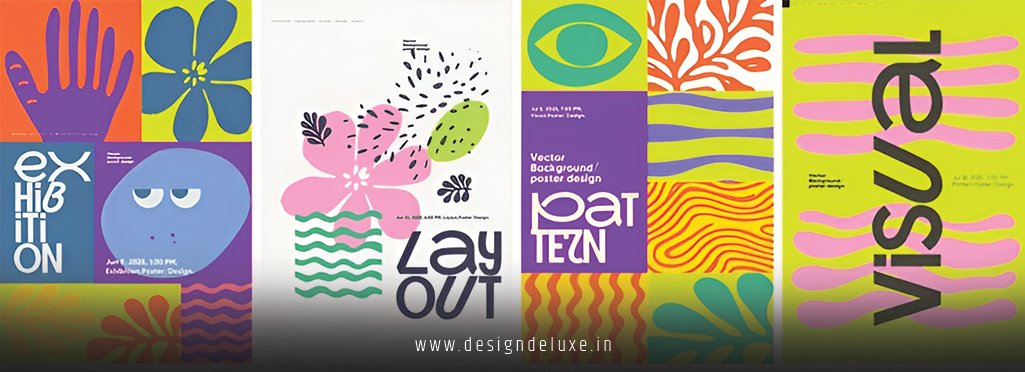
Naive design style isn’t new—it’s rooted in naïve art, where self-taught creators ignored formal rules for pure expression. But in naive design style tutorial 2026, it’s evolved into a deliberate graphic design trend. Picture scratchy linework, off-kilter shapes, uneven fills, and doodles that look like they were sketched during a coffee break. It’s childlike yet confident: knowing the rules of design and choosing to bend (or break) them for authenticity.
Why is naive design style tutorial 2026 blowing up now? After years of AI-generated flawless images, people crave proof of humanity. Brands want to feel relatable, not robotic. From indie fashion labels to startup landing pages, naive design style softens edges and adds emotional warmth. It’s the antidote to perfection fatigue—messy in the best way.
Why Naive Design Style Is Dominating 2026 Trends
Let’s get real: 2026 is all about pushing back. Reports from design platforms highlight naive design style as a top anti-perfection movement. After AI flooded us with glossy gradients and perfect symmetry, creators are craving tactility and whimsy. Naive design style tutorial 2026 fits perfectly into this shift toward human-centered visuals.
Imagine your brand as that quirky friend who tells stories with wild gestures instead of a scripted pitch. That’s the power here. It stands out in saturated feeds, boosts engagement on social media, and makes products feel handmade—even when they’re digital. In fashion, editorial, packaging, and UI, naive design style brings humor, softness, and surprise. It’s not a fad; it’s a cultural recalibration valuing emotion over polish.
Key Characteristics of Naive Design Style in 2026
What makes a design “naive” in 2026? Here are the hallmarks you’ll nail in any naive design style tutorial 2026:
- Intentional Imperfection — Wobbly outlines, shaky strokes, and “mistakes” that add character.
- Childlike Simplicity — Basic shapes, flat colors, no fancy shading or realistic perspective.
- Bold, Playful Colors — Bright primaries mixed with pastels—think crayon boxes meets marker bleed.
- Hand-Drawn Elements — Scratchy lines, doodles, uneven textures like paper grain or ink smudges.
- Playful Typography — Wonky letters, mismatched fonts, or hand-lettered vibes that feel spontaneous.
These elements combine to create work that’s lively and genuine. Ever wonder why a smiley sun with crooked rays feels more fun than a perfect one? It’s because imperfection invites connection.
Tools You’ll Need for Your Naive Design Style Tutorial 2026
You don’t need fancy gear to start your naive design style tutorial 2026. Keep it simple:
- Digital Tools — Procreate, Adobe Fresco, or free apps like Infinite Painter for tablet drawing. For vectors, Affinity Designer or Illustrator with a pressure-sensitive stylus.
- Analog Start — Paper, markers, crayons—scan your doodles for authentic texture.
- Textures — Free packs of paper grain, risograph effects, or subtle noise overlays.
- Fonts — Handwritten or quirky ones like Comic Sans revivals (yes, really—ironic twist!).
Pro tip: Start analog for that true naive feel, then digitize. It adds unbeatable authenticity.
Step-by-Step Naive Design Style Tutorial 2026: Creating Your First Piece
Let’s make something! This naive design style tutorial 2026 walks you through a simple poster or social graphic.
Step 1: Brainstorm Your Concept
Pick a fun, everyday theme—like “Coffee Makes Me Happy” or a quirky animal. Keep it light and emotional.
Step 2: Sketch Freely
Grab paper or your tablet. Draw loose—don’t erase “mistakes.” Use varying line weights: thick for outlines, thin for details. Add wonky shapes and doodles.
Step 3: Scan or Digitize
Import your sketch. If digital from the start, use a rough brush.
Step 4: Add Color
Fill unevenly—leave gaps or overlaps. Use 4-6 bold colors. Avoid perfect gradients; opt for flat or textured fills.
Step 5: Incorporate Texture
Overlay subtle noise, paper scans, or marker bleed effects. Make it feel tactile.
Step 6: Typography Magic
Add hand-lettered text or playful fonts. Rotate slightly, vary sizes—embrace asymmetry.
Step 7: Refine (But Not Too Much)
Tweak balance, but keep the raw energy. Done? Stop before it gets polished.
There—you’ve just completed a core part of naive design style tutorial 2026!
Advanced Techniques in Naive Design Style Tutorial 2026
Ready to level up? Try these:
- Layered Doodles — Stack multiple sketches for depth without realism.
- Mixed Media — Combine scanned markers with digital vectors.
- Animation Twists — Add subtle wobble to lines in tools like After Effects.
- Branding Applications — Use naive elements consistently across logos, packaging, and social for cohesive yet playful identity.
Experiment fearlessly—naive design style thrives on play.
Common Mistakes to Avoid in Naive Design Style
Even pros slip up. Don’t over-perfect: too much cleanup kills the vibe. Avoid random chaos—imperfection needs purpose. Balance whimsy with readability, especially in typography. And remember: naive isn’t lazy; it’s intentional.
Real-World Examples and Inspiration for 2026
Look at indie brands using naive design style on totes, posters, and sites. Fashion houses experiment with imperfect florals. In digital, apps add doodle mascots for friendliness. These prove naive design style tutorial 2026 works across mediums.
For more, check these high-authority sources:
- Kittl’s 2026 Design Trends Report
- Creative Bloq on Illustration Trends
- Fontfabric Design Trends 2026
Conclusion: Embrace the Naive Revolution in 2026
We’ve covered the essence of naive design style tutorial 2026—from its rebellious roots against perfection to hands-on steps for creating your own pieces. This style isn’t just trendy; it’s a mindset shift toward authenticity, play, and human connection in design. Whether you’re redesigning a brand or doodling for fun, naive design style lets your personality shine through imperfections. So grab your tools, loosen your grip, and start creating. The world needs more work that feels alive—yours could be next. What’s stopping you? Dive in and make something wonderfully imperfect today!
FAQs About Naive Design Style Tutorial 2026
What exactly is naive design style tutorial 2026 all about?
Naive design style tutorial 2026 teaches how to create intentionally imperfect, childlike graphics using wobbly lines, bold colors, and hand-drawn elements to counter AI perfection trends.
Do I need advanced skills for naive design style tutorial 2026?
No! Beginners thrive here—naive design style tutorial 2026 celebrates lack of polish, so start with basic doodles and build from there.
What tools work best in naive design style tutorial 2026?
Tablets with Procreate, paper scans, or vector apps like Illustrator. Focus on rough brushes and textures for that authentic feel in naive design style tutorial 2026.
Is naive design style only for illustrations in 2026?
Not at all—apply it to branding, UI, packaging, posters, and more. Naive design style tutorial 2026 shows versatile uses across digital and print.
How can I make my work stand out using naive design style tutorial 2026?
Embrace purposeful “mistakes,” mix bold colors, and keep it emotional. Consistency with whimsy makes your naive design style recognizable and memorable.