DESIGN
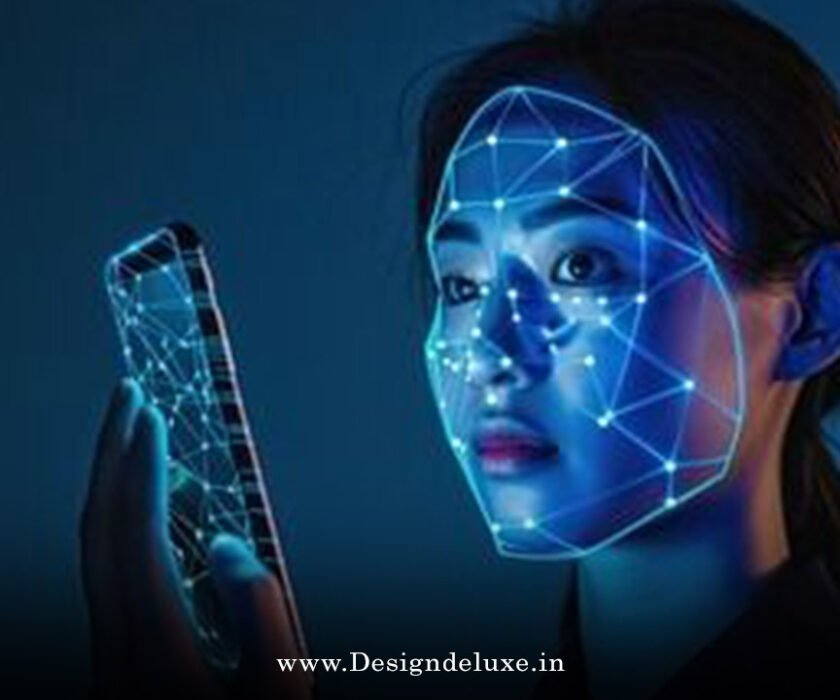
Multimodal interface design trends for AR VR 2026 are reshaping how we interact with digital worlds, blending voice, gestures, eye tracking, and even subtle haptics into seamless, intuitive experiences. Imagine slipping on a lightweight headset and simply glancing at a virtual object to select it, speaking a quick command to resize it, or waving your hand to toss it across the room—all without fumbling for controllers or staring at menus. This isn’t science fiction anymore; it’s the direction we’re heading in 2026, driven by rapid advances in AI, sensor technology, and hardware from leaders like Apple and Meta.
As someone who’s followed the evolution of spatial computing closely, I can tell you: the shift feels revolutionary. We’re moving away from clunky, single-mode interactions toward something that mirrors how humans naturally communicate—with our whole body and senses. In this article, we’ll dive deep into the multimodal interface design trends for AR VR 2026, exploring why they’re exploding now, the key technologies powering them, real-world applications, and what it all means for designers, developers, and everyday users.
Why Multimodal Interfaces Are the Future of AR and VR
Have you ever felt frustrated trying to navigate a VR menu with just hand controllers? Or wished your AR app could understand when you’re too busy to use your hands? Multimodal interfaces solve these pain points by combining multiple input methods simultaneously.
In multimodal interface design trends for AR VR 2026, the emphasis is on natural, context-aware interaction. AI processes inputs from eyes, voice, hands, and even body posture to predict intent and reduce cognitive load. This approach boosts immersion, accessibility, and efficiency—think surgeons using voice commands while gesturing in mixed reality, or architects manipulating 3D models with a mix of gaze and subtle finger movements.
Experts predict that by 2026, over half of XR experiences will rely on these blended inputs, thanks to more powerful on-device AI and sensors. The result? Interfaces that feel alive, adaptive, and almost invisible.
Core Technologies Driving Multimodal Interface Design Trends for AR VR 2026
Let’s break down the building blocks making these trends possible.
Advanced Eye Tracking and Gaze-Based Controls
Eye tracking has evolved from a niche feature to a core pillar. Devices now use high-precision cameras to follow where you’re looking with millisecond accuracy.
In multimodal interface design trends for AR VR 2026, gaze often serves as the primary selector—look at something, and it highlights or activates. Combined with foveated rendering (sharpening visuals only where you gaze), this cuts power use and motion sickness. Apple Vision Pro’s upgrades, like enhanced Neural Engine processing, exemplify this, enabling fluid gaze navigation in spatial environments.
Analogy time: Think of your eyes as a laser pointer that never tires—point, select, done.
Gesture Recognition and Hand Tracking
Gone are the days of mandatory controllers. Hand tracking uses computer vision and AI to interpret natural movements.
Multimodal interface design trends for AR VR 2026 highlight hybrid systems: one hand gestures freely while the other holds a controller for precision (Meta’s multimodal tracking). Wide-motion mode extends tracking beyond the field of view, perfect for expressive interactions in social VR.
Voice and Conversational AI Integration
Voice isn’t just commands anymore—it’s context-aware dialogue. Multimodal large language models understand spoken intent alongside visual cues.
In AR glasses prototypes, you might say, “Show me directions,” while looking at a street, and the system overlays arrows instantly. This fusion reduces errors and feels magical.
Haptic Feedback and Tactile Multimodality
Don’t overlook touch. Advanced haptics provide texture and resistance in virtual objects.
Trends point to wearable gloves or suit integrations for full-body feedback, making multimodal experiences truly sensory.
Key Multimodal Interface Design Trends for AR VR 2026
Here are the hottest developments shaping the year.
1. Zero-UI and Invisible Interfaces
The ultimate goal: no visible menus. Interfaces appear only when needed, triggered by gaze, voice, or intent.
In multimodal interface design trends for AR VR 2026, “zero-UI” dominates productivity tools—think floating widgets that adapt to your environment via spatial computing.
2. Context-Aware Adaptive Systems
AI anticipates needs based on location, time, and behavior. Busy in a meeting? Switch to voice-only. Relaxing at home? Go full gesture.
This personalization drives engagement in education, training, and retail.
3. Hybrid Controller + Natural Input Modes
Many headsets support seamless switching. Use controllers for accuracy in games, drop them for casual browsing.
Meta’s developments emphasize this flexibility for broader appeal.
4. Accessibility-First Multimodal Design
Voice for motor impairments, gaze for limited mobility, gestures for visual challenges—these trends make XR inclusive.
Designers prioritize fallback options, ensuring everyone benefits.
5. AI-Powered Scene Understanding
Cameras and sensors feed multimodal LLMs that interpret the real world, enabling smarter overlays—like identifying objects for instant info.
This powers next-gen AR assistants.

Real-World Applications of Multimodal Interface Design Trends for AR VR 2026
Industries are already transforming.
In healthcare, surgeons use gaze to zoom, voice for notes, and gestures for annotations—reducing errors and improving outcomes.
Education sees immersive classrooms where students manipulate 3D models with hands and voice.
Retail thrives with AR try-ons: look at clothes, say “rotate,” and gesture to change colors.
Gaming evolves with natural controls—cast spells with hand waves while commanding via voice.
Productivity soars in spatial offices: multiple virtual screens arranged by gaze, manipulated by gestures.
Challenges in Implementing Multimodal Interface Design Trends for AR VR 2026
It’s not all smooth. Privacy concerns loom—constant camera and mic use demands transparent data handling.
Latency issues can break immersion, requiring edge AI.
Fatigue from constant multimodal input needs thoughtful pacing.
Designers must balance richness without overwhelming users.
How Designers Can Prepare for Multimodal Interface Design Trends for AR VR 2026
Start prototyping with tools like Unity or Unreal Engine, focusing on multimodal SDKs.
Test with diverse users for inclusivity.
Think spatially—distance, scale, and depth become design variables.
Collaborate across AI, hardware, and UX teams.
Stay updated via communities and high-authority resources.
For more on spatial computing’s future, check out Apple’s Vision Pro updates or Meta’s Horizon OS developments.
Explore Gartner’s insights on immersive tech for broader trends.
Conclusion
Multimodal interface design trends for AR VR 2026 mark a pivotal shift toward human-centered spatial computing. By blending gaze, voice, gestures, and haptics with intelligent AI, we’re creating experiences that feel effortless and deeply immersive. Whether you’re a designer crafting the next breakthrough app, a developer building tools, or just excited about the future, now is the time to embrace these changes. The digital world is no longer something we look at—it’s something we live in, naturally and intuitively. Dive in, experiment, and shape what’s coming. The revolution is here, and it’s multimodal.
FAQs
What exactly are multimodal interface design trends for AR VR 2026?
They refer to the integration of multiple input methods—like eye tracking, voice commands, hand gestures, and haptics—into AR and VR interfaces, creating more natural and efficient user experiences in 2026.
Why are multimodal interface design trends for AR VR 2026 gaining so much attention?
Advances in AI, better sensors, and devices like upgraded Apple Vision Pro and Meta Quest prototypes make these interfaces more accurate, accessible, and immersive than ever before.
How do multimodal interface design trends for AR VR 2026 improve accessibility?
They offer flexible inputs (e.g., voice for those with limited mobility or gaze for hands-free use), making XR technology inclusive for diverse users.
What challenges come with multimodal interface design trends for AR VR 2026?
Privacy risks from sensors, potential latency, user fatigue, and the complexity of designing seamless fallbacks between modes.
Which companies are leading multimodal interface design trends for AR VR 2026?
Apple with Vision Pro enhancements, Meta through Quest multimodal tracking, and emerging AR glasses makers pushing on-device AI for natural interactions.