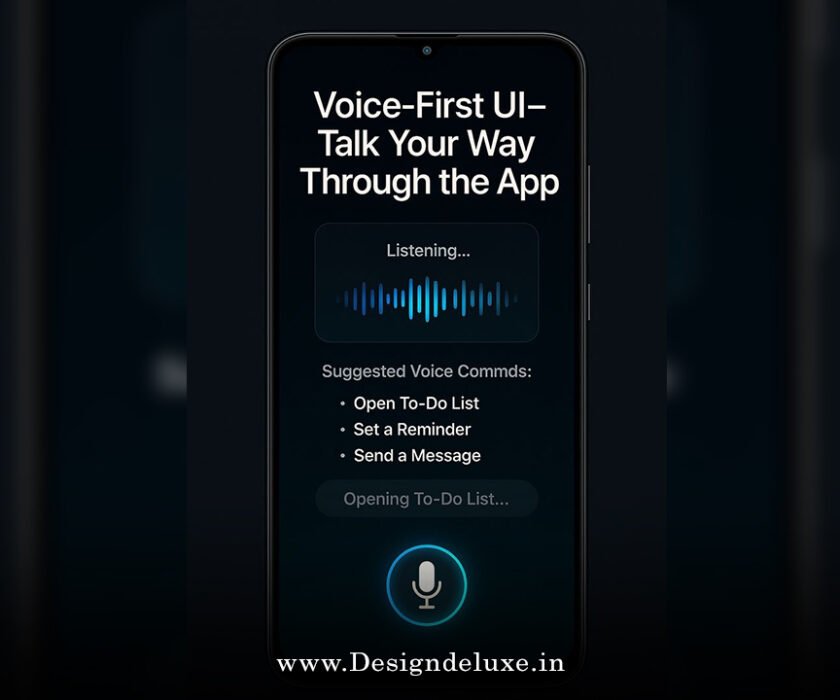
Mobile App Design
Minimalist mobile app design with dark mode 2026 isn’t just another fleeting trend—it’s quickly becoming the gold standard for creating clean, user-focused experiences that feel modern, effortless, and downright soothing. Imagine opening your favorite app at night: no blinding white screens, no visual clutter, just elegant simplicity that lets you focus on what truly matters. In 2026, this combination of minimalist mobile app design with dark mode 2026 delivers apps that respect your eyes, save battery life, and boost engagement without overwhelming you.
Why does this matter now more than ever? Users are spending hours on their phones, and they’re demanding interfaces that don’t exhaust them. Minimalism strips away the noise, while dark mode adds that premium, low-light-friendly vibe. Together, they create apps that feel premium and intuitive. Let’s dive into why minimalist mobile app design with dark mode 2026 is dominating the scene and how you can make it work for your next project.
Why Minimalist Mobile App Design with Dark Mode 2026 Is Taking Over
Have you ever felt your eyes strain after scrolling through a bright app in a dim room? You’re not alone. Dark mode reduces glare and eye fatigue, especially on OLED screens where true blacks save power. Pair that with minimalism—think generous white space (or should I say “dark space”?), simple typography, and only essential elements—and you’ve got a winning formula.
In 2026, trends show that users expect dark mode as a default or easy toggle. It’s no longer a “nice-to-have”; it’s essential for accessibility and comfort. Minimalist layouts complement this perfectly by focusing on core functionality. No bloated menus, no unnecessary icons—just flow. This approach aligns with user-centric design, where less truly is more.
Studies and real-world adoption back this up. Major apps are leaning into cleaner interfaces, and dark mode adoption has skyrocketed because it feels sleek and modern. Minimalist mobile app design with dark mode 2026 isn’t about hiding features; it’s about revealing them elegantly.
Core Principles of Minimalist Mobile App Design in 2026
At its heart, minimalist design is about intentionality. Every pixel serves a purpose.
Simplicity and White Space (or Dark Space)
White space isn’t empty—it’s breathing room. In dark mode, this “negative space” becomes even more powerful. Dark backgrounds make elements pop without shouting. Use plenty of padding around buttons, cards, and text to guide the eye naturally.
Think of it like a quiet room: the fewer distractions, the more focus you have. In minimalist mobile app design with dark mode 2026, this principle keeps interfaces calm and scannable, even during late-night use.
Limited Color Palettes
Gone are the days of rainbow explosions. Stick to 2-4 colors max: a deep dark base (like #121212 instead of pure black), subtle grays for hierarchy, and one accent for calls-to-action. This restraint prevents visual overload.
In dark mode, accents glow subtly—neon hints or soft blues—without overwhelming. The result? A sophisticated look that feels premium.
Typography That Speaks Volumes
Choose clean, sans-serif fonts with excellent readability. Larger headings for hierarchy, and body text at 16px or more. In dark mode, avoid pure white text; opt for off-white (#E0E0E0) to reduce harshness.
Good typography in minimalist mobile app design with dark mode 2026 ensures legibility without strain, making long reading sessions enjoyable.
Iconography and Micro-Interactions
Icons should be simple line styles or filled shapes that work seamlessly in dark. Subtle animations—like a gentle fade or scale on tap—add delight without clutter.
These micro-moments make the app feel alive, but in minimalism, they’re restrained. No fireworks, just smooth feedback.
Integrating Dark Mode Seamlessly into Minimalist Design
Dark mode isn’t an afterthought—it’s baked in from the start.
Adaptive and System-Wide Support
Let users toggle via system settings or an in-app switch. Better yet, make it adaptive: switch based on time or ambient light. Apps like weather or maps already do this brilliantly.
In minimalist mobile app design with dark mode 2026, design “dark-first” or dual-mode from wireframes. This ensures consistency—no awkward inversions.
Contrast and Accessibility Best Practices
Follow WCAG guidelines: aim for 4.5:1 contrast ratios. Test with tools to avoid “halo” effects around bright elements on dark backgrounds.
Use desaturated colors for backgrounds and slightly muted accents. Pure black can crush depth; dark grays add subtle elevation.
Battery and Performance Wins
On OLED/AMOLED screens, true blacks consume less power. Minimalist designs load faster with fewer assets. Combine them, and your app becomes efficient and eco-friendly—users notice and appreciate that.
Benefits of Minimalist Mobile App Design with Dark Mode 2026
The perks go beyond looks.
First, reduced eye strain means longer sessions and higher retention. Users stay engaged without fatigue.
Second, better accessibility for light-sensitive folks or those with visual impairments. Dark mode levels the playing field.
Third, premium feel. Think Netflix or Spotify—dark, minimal interfaces scream sophistication.
Finally, sustainability. Lower power use aligns with growing eco-conscious trends.
Have you switched to dark mode on your phone? If not, try it tonight. You’ll see why minimalist mobile app design with dark mode 2026 resonates so deeply.

Common Challenges and How to Overcome Them
No trend is perfect.
Challenge: Maintaining hierarchy in dark. Solution: Use elevation shadows or brighter accents sparingly for key elements.
Challenge: Images and media washing out. Solution: Add subtle overlays or adjust saturation.
Challenge: Brand consistency across modes. Solution: Create dual palettes early and test rigorously.
By addressing these proactively, your minimalist mobile app design with dark mode 2026 stays polished and professional.
Tools and Resources for Implementing Minimalist Mobile App Design with Dark Mode 2026
Figma and Adobe XD support dark mode prototypes effortlessly. Use Material Design 3 guidelines for Android or Apple’s Human Interface Guidelines for iOS—they offer dark theme best practices.
Community resources like Dribbble showcase inspiring minimalist mobile app design with dark mode 2026 examples. For deeper dives, check out:
- Material Design Dark Theme for Google’s official guidance.
- Apple Human Interface Guidelines – Dark Mode for iOS insights.
- Nielsen Norman Group on Dark Mode for UX research.
These high-authority sources provide credible foundations for your designs.
Real-World Examples and Inspiration
Look at apps embracing this: productivity tools with clean calendars in deep blacks, fitness trackers showing stats in subtle grays, or note-taking apps that feel zen-like at night.
These examples prove minimalist mobile app design with dark mode 2026 isn’t theoretical—it’s live and thriving.
Conclusion
Minimalist mobile app design with dark mode 2026 combines timeless simplicity with modern user demands for comfort and efficiency. By embracing clean layouts, thoughtful color choices, and seamless dark mode integration, you create apps that feel intuitive, elegant, and future-proof. Whether you’re building a productivity tool, social platform, or utility app, this approach prioritizes the user above all.
Ready to transform your next project? Start sketching in dark mode today. Your users—and their eyes—will thank you. The future of mobile apps is calm, focused, and beautifully minimal. Why wait?
FAQs
What makes minimalist mobile app design with dark mode 2026 so popular?
It’s the perfect blend of simplicity and eye comfort. Users love reduced clutter and less strain in low light, leading to longer engagement and higher satisfaction in 2026 apps.
How do I ensure accessibility in minimalist mobile app design with dark mode 2026?
Prioritize contrast ratios (at least 4.5:1), avoid pure black backgrounds, and test with real users. Tools like WAVE or built-in simulators help catch issues early.
Can minimalist mobile app design with dark mode 2026 work for content-heavy apps?
Absolutely. Use generous spacing, clear hierarchy, and subtle accents to keep things readable without overwhelming users, even with lots of text or data.
Is dark mode mandatory in minimalist mobile app design with dark mode 2026?
Not mandatory, but expected. Offer toggles or adaptive switching to meet user preferences—it’s now a baseline for modern, user-friendly apps.
How does minimalist mobile app design with dark mode 2026 impact battery life?
On OLED screens, dark backgrounds use less power since pixels turn off for black areas. Combined with minimal assets, it extends battery significantly for better user experience.