Magazine Design
Magazine layout design trends 2026 are shaking up the publishing world in exciting ways. Have you flipped through a recent magazine and felt something different—maybe more raw, more immersive, or just plain human? That’s no accident. As we step into 2026, designers are ditching the ultra-polished, grid-locked looks of the past for layouts that feel alive, tactile, and deeply personal.
The push comes from a mix of things: fatigue with AI-generated perfection, a craving for authenticity in a digital overload era, and advances in print tech that make experimental designs easier to produce. Whether you’re a seasoned art director or just starting out in editorial design, understanding magazine layout design trends 2026 can help you create publications that grab attention and hold it. Let’s dive into what’s shaping these changes and how you can apply them.
Why Magazine Layout Design Trends 2026 Matter More Than Ever
Think about it—magazines aren’t just competing with social media feeds anymore. They’re fighting for time in a world where attention spans are short and everything feels disposable. Magazine layout design trends 2026 respond by making print (and digital hybrids) feel special again.
Print is making a quiet comeback as a premium, sensory experience. Readers want something they can hold, something imperfect that feels crafted by human hands. This shift boosts engagement—studies show tactile elements increase recall and emotional connection. In 2026, successful layouts aren’t about minimalism; they’re about storytelling that pulls you in like a good novel.
The Rise of Imperfect by Design in Magazine Layouts
One of the biggest shifts in magazine layout design trends 2026 is embracing imperfection. Forget perfect alignment and sterile grids. Designers are leaning into “naive” or “messy” aesthetics—think hand-scribbled notes, uneven crops, and visible textures like paper grain or scan lines.
Why does this work? It counters the AI overload. When everything online looks too smooth, a deliberately wobbly layout feels refreshing and trustworthy. Imagine a fashion spread where photos overlap like a scrapbook page, or text that’s slightly tilted as if handwritten. This approach draws readers closer, making them feel like they’re peeking into a designer’s personal notebook.
In practice, start small: add subtle grain overlays or use irregular photo frames. The goal isn’t chaos—it’s controlled imperfection that guides the eye while feeling authentic.
Freeform and Storytelling Layouts: Breaking the Grid
Gone are the days when every page followed a rigid structure. Magazine layout design trends 2026 heavily feature freeform compositions that prioritize narrative flow over symmetry.
Picture this: a feature article starts with a full-bleed image that bleeds into the next spread, text wrapping organically around shapes like water around rocks. Zine-inspired elements—cut-and-paste collages, asymmetrical text blocks—are everywhere. These layouts mimic how stories unfold in real life: unpredictable, layered, emotional.
Adobe’s forecasts highlight “freeform and storytelling layouts” as key, predicting loose, editorial-style designs that feel like indie zines but elevated for mainstream magazines. This trend suits long-form journalism or lifestyle pieces perfectly. Readers stay longer because the layout mirrors the content’s rhythm—slow and contemplative or fast and energetic.
To try it, experiment with modular blocks that rearrange based on the story’s mood. Tools like InDesign’s liquid layouts help adapt these for print and digital.
Maximalist and Chaotic Energy in Magazine Design
If minimalism ruled the 2010s, magazine layout design trends 2026 embrace “more-is-more.” Maximalist layouts layer colors, textures, typefaces, and images in joyful abundance.
Controlled chaos rules: vibrant color clashes, overlapping elements, heavy layering. Think bold contrasts where a neon headline crashes into a textured background, or multiple fonts dancing across the page. This isn’t random—it’s purposeful energy that reflects our fast-paced, multifaceted world.
Experts note that maximalism from 2025 carries forward, but with more discipline. In magazines, it appears in fashion editorials (clashing patterns and bold accessories) or culture sections (eclectic photo grids). The key? Balance. Use white space sparingly to let elements breathe, preventing overload.
Hyperbold Typography and High-Contrast Layouts
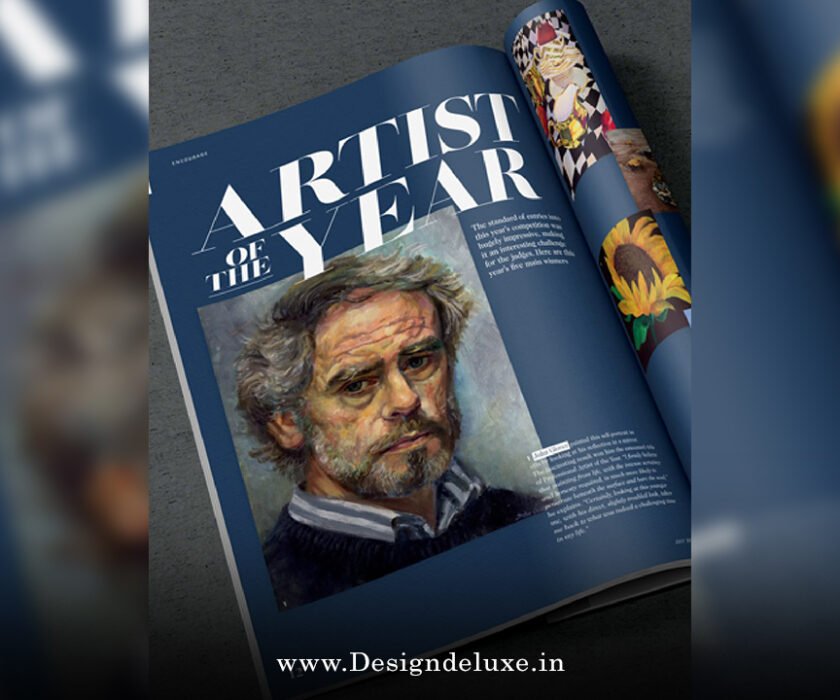
Typography steals the show in magazine layout design trends 2026. Hyperbold, exaggerated letters dominate—think massive serifs, playful distortions, or liquid forms that bend and flow.
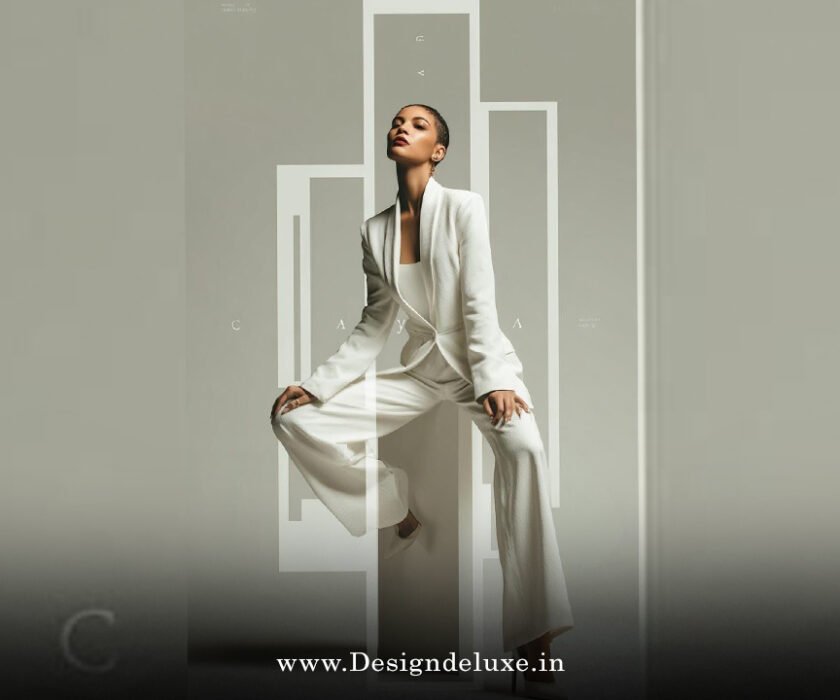
High-contrast layouts pair these with stark backgrounds for impact. A giant headline in a distorted sans-serif against black, with body text in a delicate serif for contrast. This creates visual hierarchy instantly, guiding readers through complex pages.
Playful text effects like collage-style type or scanned imperfections add warmth. Avoid overdoing it; pair bold display fonts with readable body text. This trend shines in covers and opener spreads, where grabbing attention is crucial.
Tactile and Sensory Elements: Making Print Feel Alive
Magazine layout design trends 2026 go beyond visuals—they’re multisensory. Designers incorporate textures that beg to be touched: embossed covers, spot varnishes, die-cuts, or paper stocks with visible fibers.
Even in digital versions, simulate tactility with grainy effects or parallax scrolling. The goal? Make the magazine feel premium and immersive. Readers report higher satisfaction with sensory print experiences.
Incorporate this by choosing uncoated papers for a matte, organic feel or adding foil stamping for luxury. These details turn a good layout into an unforgettable one.
Mixed-Media and Collage Approaches
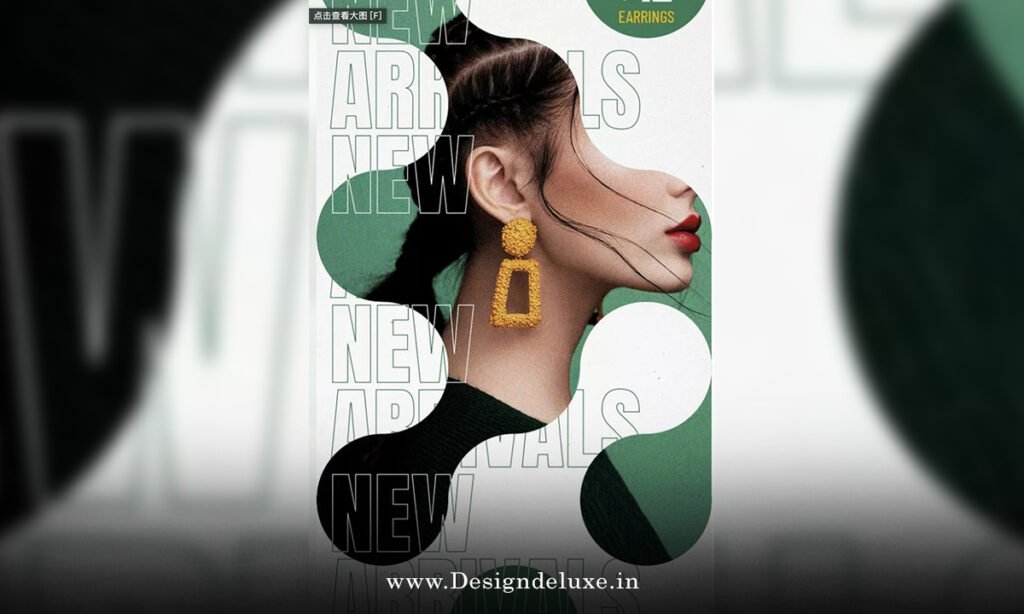
Collage is huge in magazine layout design trends 2026. Mixing photography, illustrations, scanned objects, and digital elements creates rich, layered pages.
Trinket-style arrangements—everyday objects in grids—or blueprint-like annotations add depth. This mixed-media vibe feels nostalgic yet fresh, evoking 80s/90s magazines but updated.
Use it for features on art, travel, or personal stories. It tells a visual narrative words alone can’t capture.
Narrative-Based and Emotive Compositions
Layouts now serve the story first. Magazine layout design trends 2026 emphasize emotive compositions where images and text work together to evoke feelings.
Narrative flow means pages build tension or release, like film storyboards. AI might handle initial grids, but human touch adds soul—subtle asymmetries or emotional color choices.
This human-AI collaboration defines 2026: tech speeds things up, but creativity stays human.
Warm, Personal, and Human-Centered Styles
Warmth dominates. Magazine layout design trends 2026 favor personal touches—candid photos, handwritten notes, soft color palettes.
This counters digital coldness. Readers connect with designs that feel approachable, like chatting with a friend.
Use earthy tones, imperfect alignments, and personal storytelling elements for intimacy.
Conclusion: Embrace the Evolution of Magazine Layout Design Trends 2026
Magazine layout design trends 2026 boil down to one thing: humanity in design. From imperfect freeform layouts to maximalist energy, hyperbold type, and tactile experiences, the focus is on creating meaningful, engaging publications that stand out.
Whether you’re redesigning a lifestyle mag or launching an indie zine, these trends offer tools to connect deeply with readers. Experiment boldly, stay authentic, and watch your work resonate. The future of magazines looks vibrant, imperfect, and incredibly exciting—ready to jump in?
Here are three high-authority external links for further reading:
- Explore more on design trends for 2026 from Adobe
- Check out forward-thinking insights on graphic trends for 2026 at It’s Nice That
- Dive into creative forecasts with Canva’s 2026 design trends
FAQs
What are the top magazine layout design trends 2026 everyone should know?
The standout ones include imperfect by design aesthetics, freeform storytelling layouts, maximalist chaos, hyperbold typography, and tactile sensory elements. These prioritize human touch over perfection.
How can beginners apply magazine layout design trends 2026?
Start simple: add texture overlays, experiment with asymmetrical grids, or mix fonts playfully. Tools like Canva or InDesign make it accessible—focus on storytelling first.
Is print still relevant with magazine layout design trends 2026?
Absolutely! Print thrives as a premium, sensory medium. Trends like embossing and unique papers make physical magazines feel special in a digital world.
How do magazine layout design trends 2026 differ from 2025?
2026 builds on 2025’s maximalism but adds more imperfection, human warmth, and narrative depth, reacting to AI saturation.
Can digital magazines follow magazine layout design trends 2026?
Yes—use parallax for tactility, animated elements for boldness, and responsive freeform grids to mimic print’s energy online.