Magazine Design
Imperfect by design magazine editorial style is shaking up the creative world in 2026, and honestly, it’s about time. Have you ever scrolled through a perfectly polished feed only to feel… nothing? That sterile, algorithm-approved look is getting old fast. Instead, creators, brands, and independent publishers are leaning into something more real: flaws, textures, human touches, and a deliberate rejection of flawless symmetry. This isn’t about being sloppy—it’s a thoughtful choice to make content feel alive, personal, and unmistakably human.
In this deep dive, we’ll unpack what [imperfect by design magazine editorial style] really means, why it’s exploding right now, how it differs from traditional editorial approaches, and practical ways to adopt it in your own work. Whether you’re a budding designer, content creator, or just someone tired of cookie-cutter visuals, this style offers a refreshing path forward.
What Exactly Is Imperfect by Design Magazine Editorial Style?
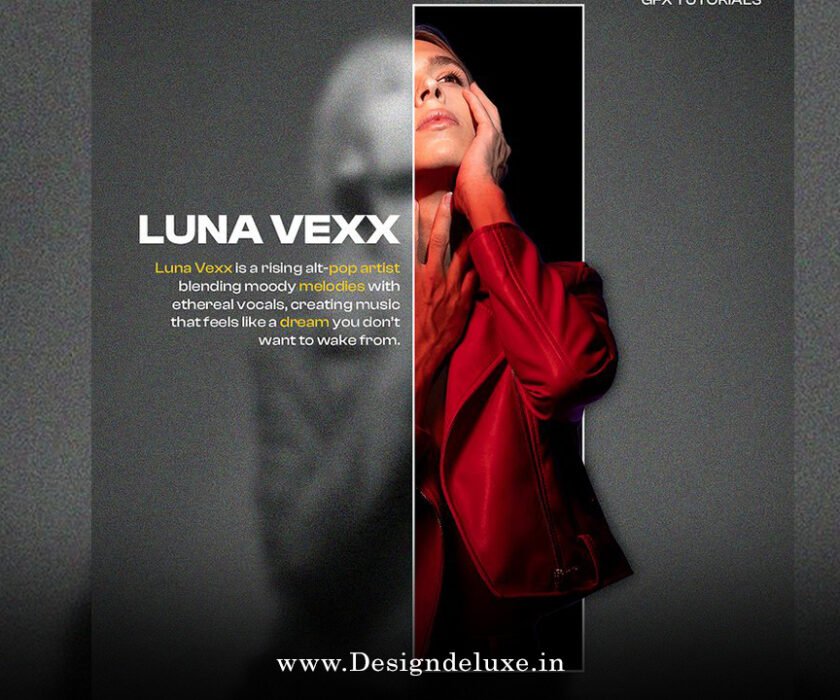
At its core, imperfect by design magazine editorial style celebrates intentional imperfection in layout, typography, imagery, and overall composition. Think grainy scans, uneven edges, playful asymmetry, hand-drawn doodles mixed with digital elements, and layouts that feel like a personal scrapbook rather than a corporate brochure.
This trend draws inspiration from zine culture—those DIY, photocopied publications from the punk era—blended with modern digital tools. It’s not random chaos; it’s curated rawness. Creators use tools like Canva or Adobe InDesign but twist them to avoid perfection: adding noise filters, misaligned text blocks, or collage effects that scream “a human made this.”
Why does this matter? In an age where AI can generate flawless images in seconds, imperfection becomes the ultimate proof of authenticity. As one industry report notes, creators are pushing back against “overly polished, algorithm-driven aesthetics” to reclaim creative control.
The Rise of Imperfect by Design Magazine Editorial Style in 2026
So, why is [imperfect by design magazine editorial style] suddenly everywhere? Blame it on AI fatigue. Tools have made “perfect” too easy—and too boring. When everything looks machine-made, the human touch stands out like a beacon.
Canva’s 2026 Design Trends Report crowned this the “Year of Imperfect by Design,” highlighting a surge in searches for DIY-inspired layouts (up 90%) and zine/Substack-style storytelling (up 85%). Creators want work that feels honest, raw, and personal—not automated.
This shift echoes broader cultural movements. Think about how social media once prized glossy filters, but now authenticity wins likes. The same applies to editorial design: readers crave stories that feel lived-in, not staged.
Key Characteristics of Imperfect by Design Magazine Editorial Style
Let’s break down what makes this style tick. These elements create that signature “imperfect” vibe while keeping things readable and engaging.
1. Textures and Grain: Adding Life to Flat Screens
Digital screens are inherently smooth, so designers fight back with grain, film scans, paper textures, and subtle noise. A page might look like it was photocopied multiple times—deliberately.
This adds depth and warmth. Imagine reading an article where the background has faint coffee stains or pencil marks; it pulls you in emotionally.
2. Naive and Playful Typography
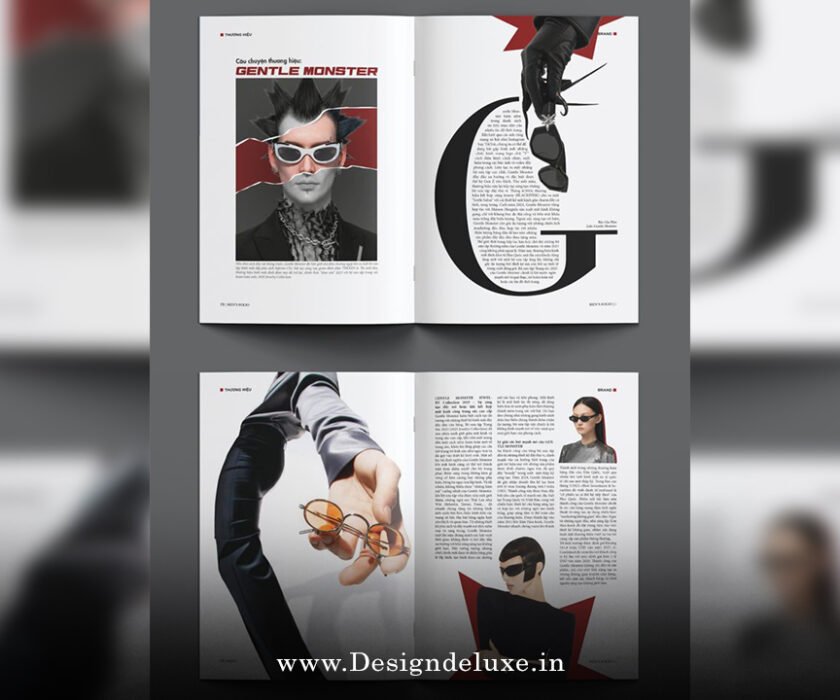
Forget rigid grids. Imperfect by design magazine editorial style loves mismatched fonts, stretched letters, uneven kerning, and hand-lettered elements. Bold, playful typefaces mix with serif classics in unexpected ways.
It’s like a conversation: sometimes shouting in caps, sometimes whispering in lowercase. This burst of variety keeps eyes moving and prevents monotony.
3. Collage and Mixed-Media Layers
Scrapbook aesthetics rule here. Cut-out photos, overlapping elements, torn paper edges, and doodles create depth. Layers feel organic—not perfectly aligned.
This technique nods to analog roots while embracing digital flexibility. It’s messy in the best way, like flipping through a friend’s travel journal.
4. Asymmetrical Layouts and White Space Play
Traditional magazines love balance. Imperfect style flips it: heavy elements on one side, generous negative space elsewhere, or floating text blocks.
The result? Dynamic pages that guide the eye naturally, mimicking how we think—jumping from idea to idea.
5. Human-Visible Flaws as Features
Scratches, fingerprints, color bleeds, or “mistakes” become intentional. This transparency builds trust. Readers sense the creator’s personality shining through.
How Imperfect by Design Magazine Editorial Style Differs from Traditional Editorial Design
Traditional editorial design prioritizes clean grids, consistent typography, and hierarchy for easy reading. It’s polished, professional, timeless.
Imperfect by design magazine editorial style, however, prioritizes emotion over efficiency. It sacrifices some legibility for personality. Where classic design hides the process, this style flaunts it.
It’s not better or worse—just different. Use it for personal brands, indie publications, or creative projects where connection trumps convention.
Practical Tips to Adopt Imperfect by Design Magazine Editorial Style
Ready to try it? Start small.
- Scan physical elements: Draw doodles, photograph textures, scan old papers—import them digitally.
- Layer ruthlessly: Overlap images, add drop shadows that don’t quite match.
- Experiment with type: Mix weights, sizes, and styles. Break alignment rules thoughtfully.
- Add noise: Apply grain filters in Photoshop or Canva.
- Tell a story: Let layouts reflect content—chaotic for energetic topics, calmer for reflective ones.
Remember, imperfection must serve the message. Random mess looks amateur; intentional flaws feel authentic.
For deeper inspiration, check out Canva’s trends report here, explore editorial design principles at Adobe’s resources here, or dive into zine culture discussions on It’s Nice That here.
Why This Style Builds Trust and Engagement
In a world drowning in AI content, [imperfect by design magazine editorial style] screams “real.” It fosters connection because it mirrors human life—flawed, quirky, full of character.
Brands using this approach feel approachable. Readers linger longer on pages that feel personal. Engagement rises when people sense soul behind the screen.
Challenges and How to Overcome Them
It’s not all smooth. Overdo imperfections, and it looks sloppy. Underdo it, and it feels fake.
Solution: Iterate. Test on friends. Balance rawness with readability—ensure key messages pop.
Accessibility matters too. Use sufficient contrast, alt text, and logical flow so everyone can enjoy it.
The Future of Imperfect by Design Magazine Editorial Style
This isn’t a fleeting fad. As AI evolves, human authenticity will only grow more valuable. Expect hybrid approaches: AI-assisted elements refined with hand tweaks.
Independent creators and small magazines will lead, proving that imperfect can be profoundly powerful.
Conclusion
Imperfect by design magazine editorial style isn’t just a trend—it’s a mindset shift toward embracing what makes us human in a digital age. By welcoming textures, asymmetries, and visible flaws, creators craft content that’s engaging, trustworthy, and memorable. It reminds us that the best ideas rarely start perfect; they evolve through trial, error, and personality.
If you’re feeling stuck in polished perfection, give this style a shot. Grab some paper, scan it, mess it up on purpose. You might discover your most authentic voice yet. The creative world needs more of that raw energy—why not be part of it?
FAQs About Imperfect by Design Magazine Editorial Style
What is the main goal of imperfect by design magazine editorial style?
The goal is to prioritize authenticity and human touch over flawless polish, making visual content feel personal, relatable, and emotionally engaging in an AI-dominated era.
How does imperfect by design magazine editorial style incorporate AI tools?
It uses AI as a starting point but deliberately adds human imperfections—like manual adjustments, textures, or asymmetries—to avoid automated uniformity and reclaim creative authorship.
Is imperfect by design magazine editorial style suitable for professional brands?
Yes, especially for creative, lifestyle, or personal brands aiming to build trust and stand out. It works best when aligned with a brand’s voice that values approachability over corporate sterility.
What tools work best for creating imperfect by design magazine editorial style layouts?
Canva for quick experiments, Adobe InDesign or Photoshop for advanced layering, and scanning apps for incorporating real-world textures.
Why is imperfect by design magazine editorial style gaining popularity in 2026?
AI has made perfection too accessible and common, leading to fatigue. This style counters it by celebrating raw, honest visuals that feel uniquely human and stand out in crowded digital spaces.