Artificial IntelligenceDigitalMARKETING
How to use AI agents for automated digital marketing campaigns 2026 is no longer a futuristic dream—it’s the reality reshaping how businesses connect with audiences right now. Imagine handing off the grunt work of running ads, crafting content, analyzing performance, and tweaking strategies to intelligent digital teammates that never sleep, learn on the fly, and optimize relentlessly. In 2026, AI agents have evolved from simple chatbots into autonomous systems that plan, execute, and adapt entire marketing workflows with minimal human oversight. Whether you’re a solopreneur juggling everything or part of a scaling team, mastering how to use AI agents for automated digital marketing campaigns 2026 can slash costs, boost ROI, and free you up for the creative magic only humans can deliver.
Why does this matter so much this year? Because the shift to agentic AI—where agents act independently toward goals—is exploding. Reports from industry leaders highlight that businesses adopting these tools see faster decisions, massive productivity gains, and campaigns that self-optimize in real time. Let’s dive in and explore exactly how to use AI agents for automated digital marketing campaigns 2026, step by step, with practical tips to get you started.
What Are AI Agents in Digital Marketing?
Before jumping into tactics, let’s clarify what we’re talking about. Traditional AI tools react to prompts—like generating a blog post when you ask. AI agents go further: they’re goal-oriented, proactive, and capable of multi-step reasoning. They break down objectives (“Grow email subscribers by 30% this quarter”), research data, choose actions, execute them across platforms, measure results, and iterate—all while looping you in only for high-level approvals.
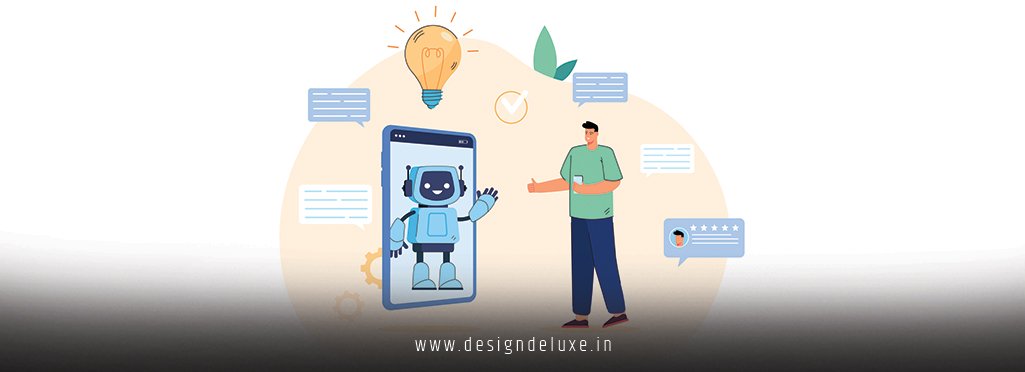
Think of them as your virtual marketing department. One agent might scout audience trends on social media, another drafts personalized ads, a third launches them on Meta and Google, and a coordinator adjusts budgets based on live performance. This “swarm” or multi-agent setup is what makes how to use AI agents for automated digital marketing campaigns 2026 so powerful—it’s not one tool doing everything, but a coordinated team of specialists.
In 2026, agentic systems dominate because they handle complexity humans struggle with, like real-time bidding wars or cross-channel personalization at scale.
Why AI Agents Are Revolutionizing Automated Campaigns in 2026
Picture this: Your competitor still logs into dashboards daily to tweak ads. Meanwhile, your AI agents detect a dip in engagement at 2 a.m., pivot creative variations, and recover lost ground before breakfast. That’s the edge.
Key drivers include:
- Autonomy and Speed — Agents don’t wait for instructions; they act on goals.
- Scalability — Handle thousands of micro-campaigns without burnout.
- Data-Driven Decisions — Pull insights from vast sources instantly.
- Cost Efficiency — Reduce manual labor by 50-70% in many workflows.
Experts predict that by late 2026, most forward-thinking brands will run agent-orchestrated campaigns, shifting marketers from executors to strategists and overseers.
Step-by-Step Guide: How to Use AI Agents for Automated Digital Marketing Campaigns 2026
Ready to implement? Here’s your actionable roadmap.
Step 1: Define Clear Goals and Set Up Your Agent Framework
Start with outcomes, not tasks. Instead of “post on social,” say “Increase brand awareness among 25-34-year-olds in urban India by 40% in Q2.”
Choose an agent platform that supports goal-based orchestration. Popular options in 2026 include:
- HubSpot’s AI features for inbound workflows.
- Salesforce Agentforce for enterprise-scale autonomy.
- Tools like Gumloop or n8n for custom no-code agents.
- Emerging builders like Beam AI or Google Vertex for multi-agent setups.
Integrate your stack: CRM, ad platforms (Google, Meta), analytics (Google Analytics), and email tools.
Pro tip: Begin small—one agent for email nurturing—then scale.
Step 2: Build and Train Your First AI Marketing Agents
Create specialized agents:
- Research Agent — Scans trends, competitor moves, and audience sentiment.
- Content Agent — Generates on-brand copy, images, or videos using tools like integrated DALL·E or Jasper-style generators.
- Execution Agent — Launches ads, schedules posts, segments audiences.
- Optimization Agent — Monitors KPIs, A/B tests, reallocates spend.
Train them with your brand guidelines, past campaign data, and voice samples. Feed examples: “This ad converted at 15%—emulate the tone.”
In 2026, platforms make this drag-and-drop easy, with natural language setup like “Build an agent that runs weekly performance reports and suggests budget shifts.”
Step 3: Automate Core Campaign Elements
Here’s where the magic happens in how to use AI agents for automated digital marketing campaigns 2026.
Personalized Content Creation
Agents analyze user behavior to craft hyper-targeted emails or ads. One agent pulls data; another writes variants; a third tests them.
Ad Management and Bidding
Agents handle real-time bidding on PPC, adjusting for voice search trends or agent-mediated purchases.
Social Media Orchestration
Post scheduling, comment responses, engagement boosting—agents monitor sentiment and jump in with replies or escalations.
Lead Nurturing and Conversion
Multi-step journeys: Agent detects leads, scores them, triggers personalized sequences, and hands off hot ones to sales.
Step 4: Monitor, Iterate, and Scale with Human Oversight
Agents excel at execution, but you provide the guardrails. Set thresholds: “Alert me if ROI drops below 3x.”
Use dashboards for oversight. Weekly reviews ensure alignment with brand values and ethics.
Scale by adding agents: One for influencer outreach, another for SEO content syndication.
Advanced Strategies for 2026 Success
- Multi-Agent Swarms — Coordinate 5-10 agents for end-to-end campaigns.
- Voice and Agentic Commerce — Optimize for AI assistants making purchases.
- Predictive Insights — Agents forecast trends before they hit mainstream.
- Privacy-First Automation — Build compliant workflows amid tightening regulations.
Common Challenges and How to Overcome Them
Won’t agents go rogue? Set strict boundaries and audit logs.
Integration headaches? Start with platforms offering native connectors.
High setup time? Use pre-built templates from tools like Klaviyo or ActiveCampaign.
Cost concerns? Many offer tiered pricing; ROI often justifies quickly.
Real-World Examples of Success
Brands using agentic setups report 2-5x faster campaign launches and 20-40% better performance. One e-commerce player automated full funnels, boosting conversions while cutting ad spend waste.
Conclusion
Mastering how to use AI agents for automated digital marketing campaigns 2026 isn’t optional anymore—it’s the competitive moat for savvy marketers. By defining goals, building specialized agents, automating workflows, and staying in the driver’s seat for strategy, you unlock efficiency, creativity, and results that manual methods can’t touch. Start small today: Pick one repetitive task, build an agent around it, and watch the compounding wins. The future of marketing belongs to those who team up with AI, not fight it. Dive in, experiment, and elevate your campaigns to new heights in 2026.
For further reading:
- Digital Marketing Institute on AI Trends
- Salesforce AI Trends for 2026
- Klaviyo Marketing Automation Insights
FAQs
What exactly does how to use AI agents for automated digital marketing campaigns 2026 involve for beginners?
It starts with choosing a platform, setting simple goals like “automate email follow-ups,” and letting agents handle execution while you monitor results—perfect for easing in without overwhelm.
Which tools are best when learning how to use AI agents for automated digital marketing campaigns 2026?
HubSpot Marketing Hub, Salesforce Agentforce, and no-code builders like Gumloop or n8n stand out for their agentic features, integrations, and ease in 2026.
How much can I save by implementing how to use AI agents for automated digital marketing campaigns 2026?
Many see 50-70% reduction in manual tasks, leading to lower costs and higher ROI through real-time optimization and scaled personalization.
Are there risks in how to use AI agents for automated digital marketing campaigns 2026?
Yes—potential for off-brand messaging or data issues—but mitigated with clear guidelines, human reviews, and ethical AI practices.
How quickly can results show from how to use AI agents for automated digital marketing campaigns 2026?
Often within weeks for simple automations like content or ad tweaks, with full campaign orchestration delivering major gains in 1-3 months.