Color PaletteBrand
Flexible adaptive color palette for modern branding isn’t just a fancy design term—it’s quickly becoming the secret sauce that keeps brands feeling fresh, inclusive, and emotionally connected in today’s fast-changing digital landscape. Have you ever scrolled through your feed and noticed how some brands seem to shift effortlessly between moods, platforms, and even user preferences without losing their identity? That’s the magic of a flexible adaptive color palette for modern branding at work. Unlike those rigid, one-note color schemes from the past, this approach lets your colors breathe, evolve, and respond—whether it’s adapting to dark mode, matching seasonal campaigns, or even personalizing experiences based on user context.
In a world where attention spans are shrinking and competition is fiercer than ever, sticking to static colors can make your brand feel dated or disconnected. A flexible adaptive color palette for modern branding gives you the tools to stay agile while building deeper trust and recognition. Let’s dive into why this matters so much right now and how you can make it work for your own brand.
Why Flexible Adaptive Color Palette for Modern Branding Is Taking Over in 2025-2026
Think about it: consumers today interact with brands across endless touchpoints—tiny phone screens, massive billboards, apps in light or dark mode, social posts at dawn or dusk. A traditional palette might look killer on your website but flop on a dark-themed app or feel out of place in a holiday campaign. That’s where the flexible adaptive color palette for modern branding shines.
Recent trends show brands ditching rigid identities for systems that flex. For instance, many companies now build “living” palettes that adjust subtly—higher saturation for bold moments, muted tones for calm vibes, or shifts for accessibility. This isn’t gimmicky; it’s strategic. It keeps your brand recognizable while allowing emotional resonance. Color psychology plays a huge role here—warm tones spark energy, cool ones build trust—but when they’re adaptive, they hit the right emotional note every time.
And let’s not ignore tech’s influence. With AI tools analyzing user data, palettes can even personalize in real-time, like shifting to softer hues if a user seems stressed (based on interaction patterns). It’s futuristic, but it’s already happening in apps and websites pushing personalization.
Understanding the Core Elements of a Flexible Adaptive Color Palette for Modern Branding
So, what exactly goes into building one? At its heart, a flexible adaptive color palette for modern branding starts with a core set—usually 3-5 primary colors that define your brand DNA. These aren’t random; they’re chosen for their psychological impact and versatility.
From there, you expand into scales and variations. Think tints (lighter versions), shades (darker), and tones (muted). Tools like HSL (Hue, Saturation, Lightness) make this easy—adjust lightness for dark mode without reinventing the wheel. Neutrals anchor everything: grays, beiges, or off-whites that adapt seamlessly.
Then come the rules for adaptation. Define when and how colors shift—perhaps brighter accents for CTAs on mobile, cooler tones for professional contexts, or seasonal pops. Accessibility is non-negotiable: ensure contrasts meet WCAG standards across variations.
Finally, test relentlessly. Mock up your palette on real assets—social graphics, packaging, UI screens—and see how it holds up. The goal? Consistency in feel, flexibility in execution.
The Psychology Behind Flexible Adaptive Color Palette for Modern Branding
Colors aren’t just pretty; they trigger emotions faster than words. Red screams urgency and passion (hello, Coca-Cola energy), blue whispers trust and calm (think finance giants), green evokes growth and nature. But in modern branding, a static hue might not always fit.
A flexible adaptive color palette for modern branding lets you harness psychology dynamically. Imagine a wellness brand starting with soothing greens but shifting to energizing yellows for motivational content. Or a tech company using deep blues for credibility, then popping electric accents for innovation highlights.
This adaptability taps into mood-driven responses. Studies show people respond better when visuals match their emotional state—calm palettes for relaxation apps, vibrant ones for exciting launches. By making your palette adaptive, you’re not just designing; you’re connecting on a subconscious level.
How to Build Your Own Flexible Adaptive Color Palette for Modern Branding Step by Step
Ready to create one? Here’s a practical roadmap.
Step 1: Define Your Brand Personality
Ask yourself: What emotions do we want to evoke? Energetic? Trustworthy? Playful? Use archetypes (innovator, caregiver) to guide hues.
Step 2: Choose Core Colors
Pick 1-2 primaries (your signature), 1-2 secondaries for depth, and accents for punch. Draw from trends like earthy neutrals or bold contrasts, but make them yours.
Step 3: Create Variations
Use HSL to generate scales. For example, start with a primary blue (#007BFF), then derive lighter (#4DA6FF) and darker (#0056B3) versions. Add neutrals.
Step 4: Set Adaptation Rules
Document guidelines: “Use high-saturation accents for calls-to-action; mute for backgrounds; switch to warm tones in Q4 campaigns.”
Step 5: Test for Accessibility and Contexts
Run checks with tools like contrast analyzers. Preview in light/dark modes, on images, across devices.
Step 6: Implement and Iterate
Roll it out in your design system. Gather feedback and tweak—palettes evolve!
This process ensures your flexible adaptive color palette for modern branding feels intentional, not chaotic.
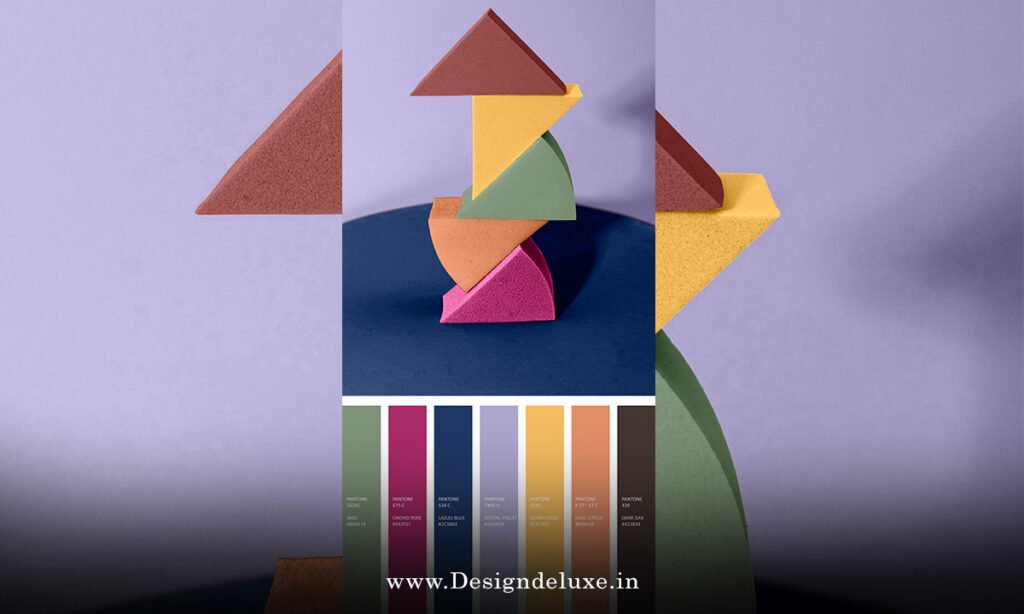
Real-World Examples of Flexible Adaptive Color Palette for Modern Branding in Action
Look at Adobe’s Spectrum system—it’s an adaptive palette that’s science-backed, ensuring accessibility and cohesion across themes. Or consider how some apps shift colors based on time of day: cooler blues in the morning, warmer tones at night.
Dynamic brands use modular systems where colors respond to content—extracting palettes from images for harmony. Tech companies often go tight: 3-5 colors that flex for modes, keeping things strategic yet adaptable.
These examples prove it: a flexible adaptive color palette for modern branding keeps brands alive and relevant.
Benefits and Challenges of Implementing a Flexible Adaptive Color Palette for Modern Branding
The upsides are huge—increased engagement, better accessibility, stronger emotional ties, and future-proofing against trends. Your brand feels innovative and user-centric.
Challenges? It can feel overwhelming at first. Maintaining consistency requires strict guidelines, and over-adapting risks diluting identity. The fix: clear rules and regular audits.
Overall, the pros far outweigh the cons in our multi-platform world.
Tools and Resources to Create a Flexible Adaptive Color Palette for Modern Branding
Start with generators like Coolors for quick inspiration. For deeper systems, explore Adobe tools or Figma plugins. Accessibility checkers like WebAIM help ensure inclusivity.
Conclusion: Embrace the Future with a Flexible Adaptive Color Palette for Modern Branding
Wrapping it up, a flexible adaptive color palette for modern branding is more than a trend—it’s essential for staying emotionally relevant, visually consistent, and technically agile. By building a core system with smart variations, grounding it in psychology, and testing rigorously, you create a brand that evolves without ever losing its soul. Don’t let rigid colors hold you back. Dive in, experiment, and watch your brand connect like never before. Your audience—and your bottom line—will thank you.
Here are three high-authority external links for further reading:
- Learn more about color psychology in branding from Adobe.
- Explore design system color strategies on Adobe Spectrum’s color reinvention.
- Discover palette tools at Coolors.
FAQs
What exactly is a flexible adaptive color palette for modern branding?
It’s a dynamic color system with core hues and variations that adjust for contexts like device modes, campaigns, or user preferences while keeping brand identity intact.
Why is a flexible adaptive color palette for modern branding better than a static one?
It offers versatility across platforms, improves accessibility, enhances emotional connection, and keeps your brand feeling current in a changing digital world.
How many colors should be in a flexible adaptive color palette for modern branding?
Start with 3-5 core colors, then expand to 10-20 variations (tints, shades, neutrals) for flexibility without overwhelming your system.
Can small businesses afford to implement a flexible adaptive color palette for modern branding?
Absolutely—free tools like Coolors or Canva make it accessible, and the long-term benefits in recognition and engagement make it worthwhile.
How does color psychology fit into a flexible adaptive color palette for modern branding?
It guides core choices (e.g., blue for trust), while adaptation lets you apply the right emotional tone—energetic accents here, calming neutrals there—for deeper impact.