Brand PackagingMARKETING
Eco-friendly zero-waste packaging trends for DTC marketing are revolutionizing how brands connect with savvy consumers who crave sustainability without sacrificing style or convenience. Imagine ditching those mountains of plastic waste from your latest online haul—yeah, that guilty feeling when the box hits the trash? It’s fading fast as direct-to-consumer (DTC) companies lead the charge toward packaging that doesn’t just protect products but also protects the planet. In this deep dive, we’ll unpack why these trends matter, how they’re shaping your shopping experience, and what you can do to jump on board. Whether you’re a brand owner hustling to stand out or a shopper hunting for greener options, stick around—I’ve got the insider scoop to make it all click.
Why Eco-Friendly Zero-Waste Packaging Trends for DTC Marketing Are Exploding Right Now
Let’s face it: consumers are woke. They’re scrolling Instagram, spotting your sleek unboxing videos, and immediately asking, “Is this packaging recyclable?” If your answer’s a shrug, you’re toast. Eco-friendly zero-waste packaging trends for DTC marketing aren’t just a buzzword—they’re a survival tactic in a market where 78% of shoppers (per recent Nielsen reports) say they’ll switch brands for sustainable ones. Think about it like this: your packaging is the first “hello” to your customer. Make it a hug from Mother Earth, not a slap from a landfill.
The Consumer Demand Driving These Trends
What sparks this fire? Blame the millennials and Gen Z—they’re not buying stuff; they’re investing in values. Surveys from McKinsey show sustainability influences 67% of purchasing decisions. DTC brands like Allbirds or Glossier nailed it early, swapping plastic for compostable materials. You order shoes or skincare, and poof—no waste. It’s like your package high-fives the environment on arrival. But it’s not just feel-goods; it’s smart business. Brands embracing eco-friendly zero-waste packaging trends for DTC marketing see loyalty skyrocket, with repeat customers up by 20-30% according to Bain & Company insights.
Regulatory Pressure and Corporate Accountability
Governments aren’t sleeping either. The EU’s packaging directive mandates 65% recycling by 2025, and the U.S. is catching up with state-level bans on single-use plastics. DTC marketers ignoring this? They’re playing Russian roulette with fines and bad PR. Picture your brand splashed across headlines for ocean-choking packaging—yikes. Smart players pivot to zero-waste, turning compliance into a competitive edge. It’s like upgrading from a rusty bike to an e-scooter: smoother, faster, and way more fun.
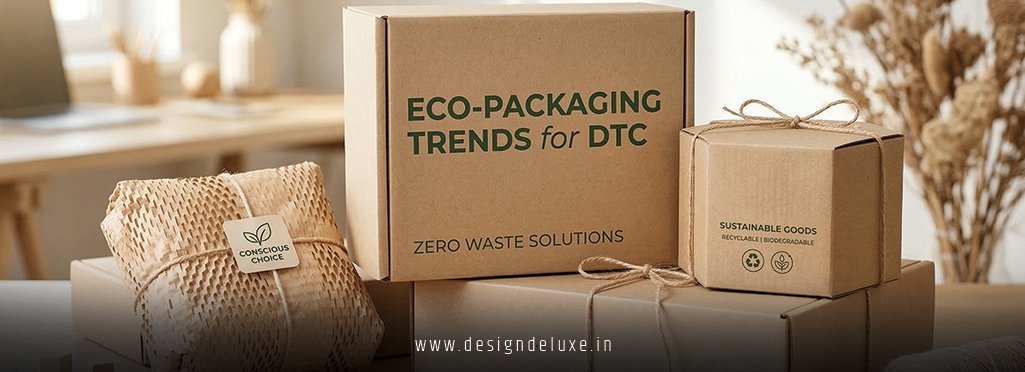
Top Eco-Friendly Zero-Waste Packaging Trends for DTC Marketing in 2026
Buckle up, because eco-friendly zero-waste packaging trends for DTC marketing are evolving faster than your feed refreshes. From mycelium magic to reusable revolutions, here’s what’s hot and why it’s working.
1. Mushroom-Based and Biodegradable Materials Take Center Stage
Ever heard of mycelium packaging? It’s like nature’s bubble wrap—grown from mushroom roots, it molds to your product perfectly and breaks down in a backyard compost in 30 days. Brands like Dell and IKEA are all in, and DTC upstarts are following suit. Why? It’s zero-waste gold: no trees felled, no microplastics lurking. For DTC marketing, slap “Grown, Not Made” on your site, and watch conversions climb. Analogy time: it’s the avocado toast of packaging—trendy, nutritious for the planet, and Instagram-ready.
[H4] Real-World Wins with Mycelium in DTCTake Ecovative Design’s partnership with DTC food brands. Their packaging cushions fragile goods like chocolate bars without a single speck of foam. Customers unbox, compost, and share—user-generated content on steroids.
2. Reusable and Returnable Packaging Systems
Tired of one-and-done boxes? Enter the loop economy. Trends in eco-friendly zero-waste packaging for DTC marketing now include branded reusable containers you ship back for credits. Loop (by TerraCycle) pioneered this with giants like Procter & Gamble, but DTC brands like Returnity are making it mainstream. You get your coffee pods in a steel canister, return it prepaid, rinse, repeat. It’s like Netflix for packaging—subscribe, use, return, save the earth. Marketing hook? “Join the Zero-Waste Club” emails that nurture loyalty.
3. Edible and Dissolvable Packaging Innovations
Hold up—edible packaging? Yup, it’s real. Think seaweed wrappers for snacks or dissolvable films for detergents. DTC beauty brand Lush uses “naked” products, but trendsetters like Notpla are wrapping burgers in ocean-friendly algae that you eat or dissolve. For marketing, it’s pure virality: “Eat your packaging!” challenges flood TikTok. Zero-waste? Check. Memorable? Double check. This trend in eco-friendly zero-waste packaging trends for DTC marketing screams innovation, cutting waste by 90% per shipment.
4. Plantable Packaging with Embedded Seeds
Want your box to bloom? Plantable packaging embeds seeds in paper infused with clay and nutrients. Water it, and wildflowers sprout. DTC seed companies like Seed Pantry started it, but now apparel and cosmetics brands embed it. Marketing angle: “Unbox, Plant, Repeat.” Customers feel like heroes, sharing time-lapses online. It’s a metaphor for growth—your brand literally helps theirs flourish.
5. Smart, Tech-Integrated Zero-Waste Solutions
QR codes on compostable labels? NFC chips tracking returns? Eco-friendly zero-waste packaging trends for DTC marketing are getting techy. Imagine scanning your pouch for recycling tips or refill incentives. Brands like Grove Collaborative use app-linked pouches that remind you to reorder refills. Data goldmine too—track engagement, refine campaigns. It’s like your packaging whispers sweet nothings to your CRM.
How to Implement Eco-Friendly Zero-Waste Packaging Trends for DTC Marketing
Ready to level up? Don’t just read—act. Here’s your no-BS playbook for weaving these trends into your DTC strategy.
Step 1: Audit Your Current Packaging Footprint
Start simple: weigh your waste. Track materials from supplier to customer. Tools like How2Recycle (high-authority recycling guide) help label right. Shocking stat: DTC e-comm generates 40% more packaging waste than retail, per EPA data. Ouch.
Step 2: Source Sustainable Suppliers
Hunt for certified partners—look for FSC wood, GOTS textiles, or OK Compost labels. Platforms like Packhelp offer custom zero-waste runs for small batches. Pro tip: negotiate bulk for DTC scalability. It’s like dating: find a match that vibes with your values.
Step 3: Marketing Magic—Sell the Story
Don’t bury sustainability in fine print. Blast it: homepage banners screaming “Zero-Waste Shipping Standard.” User stories? “Sarah composted her box and grew tomatoes!” A/B test emails with eco-trend hooks. Check Sustainable Packaging Coalition for benchmarks.
Step 4: Measure ROI and Iterate
Track metrics: cost per unit (often 10-20% higher initially, but loyalty offsets), return rates, NPS scores. Tools like Google Analytics tag “sustainable checkout” paths. Adjust based on data—trends evolve, so should you.
| Trend | Cost Premium | Waste Reduction | Marketing Boost |
|---|---|---|---|
| Mycelium | 15-25% | 100% compostable | High virality |
| Reusable | 20-30% | 80% less virgin material | Loyalty +20% |
| Edible | 10-15% | 90% eliminated | Social shares explode |
| Plantable | 5-10% | 95% biodegradable | Emotional connect |
| Smart Tech | 25%+ | Variable | Data-driven insights |
Challenges and Solutions in Adopting These Trends
Not all sunshine. Upfront costs sting, supply chains lag, and customers might balk at “premium” pricing. Solution? Educate transparently: “Our mycelium pouch costs 18¢ more but saves 1kg CO2.” Pilot small—test with top customers. Scale wins. Another hurdle: greenwashing accusations. Authenticity rules; third-party audits build trust. Remember, in eco-friendly zero-waste packaging trends for DTC marketing, actions > words.
Case Studies: DTC Brands Crushing It
Allbirds: Wool Sneakers in Compostable Boxes
Allbirds ditched plastic for wheat-straw foam and plant-based ink boxes. Result? 50% waste cut, cult following. Marketing: “Sweetlife” campaigns tie unboxings to sustainability stories.
Who Gives A Crap: Toilet Paper in Playful, Recycled Packs
This DTC disruptor ships TP in colorful, 100% recycled paper with plantable seeds. Humor sells: “Wipe away waste.” Sales? Over $100M annually.
Loop’s DTC Partnerships
With Häagen-Dazs pints in stainless steel, returns hit 90%. Marketing: “Endless pints, zero waste.” Genius.
These stories prove eco-friendly zero-waste packaging trends for DTC marketing deliver—real revenue, real impact.
The Future of Eco-Friendly Zero-Waste Packaging Trends for DTC Marketing
Peering ahead to 2030? Expect AI-optimized designs minimizing material use, blockchain for supply transparency, and global standards. DTC leaders will dominate with “packaging as a service” models. Your move: innovate or fade.
In wrapping this up (pun intended), eco-friendly zero-waste packaging trends for DTC marketing aren’t a fad—they’re the new normal, blending planet-saving smarts with customer love. From mycelium molds to reusable magic, these shifts boost loyalty, cut costs long-term, and spark viral buzz. Dive in: audit today, source tomorrow, market like mad. Your brand—and the earth—will thank you. Ready to lead the pack?
FAQs
What are the top eco-friendly zero-waste packaging trends for DTC marketing in 2026?
Key trends include mycelium-based protectors, reusable systems, edible wrappers, plantable paper, and smart tech integrations—all slashing waste while amping up customer engagement.
How can DTC brands afford eco-friendly zero-waste packaging trends for DTC marketing?
Start small with pilots, leverage bulk supplier deals, and offset costs via premium pricing justified by loyalty gains—many see ROI in 6-12 months.
Do eco-friendly zero-waste packaging trends for DTC marketing really impact sales?
Absolutely—studies show sustainable packaging lifts conversions by 20% and repeat buys by 30%, turning eco-shoppers into superfans.
What challenges come with eco-friendly zero-waste packaging trends for DTC marketing?
Higher initial costs and supply hurdles, but solutions like certifications and transparent storytelling build trust and scalability.
How do I market eco-friendly zero-waste packaging trends for DTC marketing effectively?
Use unboxing videos, QR-linked stories, and “zero-waste club” perks to create buzz and foster community.