Logo Design
Earthy Neutrals Color Palette for Sustainable Logo Design: A Timeless Choice for Eco-Conscious Brands
Have you ever looked at a logo and instantly felt grounded, calm, and connected to something real? That’s the magic of an earthy neutrals color palette for sustainable logo design. In a world overflowing with bright, flashy brands screaming for attention, these soft, nature-inspired tones whisper authenticity instead. They draw from the soil, stones, forests, and sands of our planet, making them perfect for businesses that want to scream “we care about the environment” without actually shouting.
If you’re building or refreshing a brand that prioritizes sustainability—think organic products, eco-friendly fashion, wellness services, or green tech—this palette isn’t just trendy; it’s strategic. It aligns your visual identity with values like balance, reliability, and harmony with nature. Let’s dive deep into why an earthy neutrals color palette for sustainable logo design works so well, how to build one, and tips to make your logo stand out while staying true to the earth.
Why Choose an Earthy Neutrals Color Palette for Sustainable Logo Design?
Sustainability isn’t a buzzword anymore—it’s a consumer expectation. People want brands that feel genuine, not greenwashed. An earthy neutrals color palette for sustainable logo design taps into that desire by mimicking the natural world. Browns evoke fertile soil, muted greens suggest lush foliage, and soft beiges recall sun-warmed sand. These colors feel organic because they are organic in origin.
Psychologically, earthy neutrals promote feelings of stability and trust. Brown, for instance, signals reliability and authenticity, much like the sturdy trunk of an ancient tree. Sage greens bring calm and growth, reminding viewers of renewal and balance. Neutrals like taupe or oatmeal add versatility without overwhelming, allowing your logo to feel approachable and timeless.
In branding, this palette shines for eco-focused companies. It subtly communicates environmental commitment—far better than slapping a leaf icon on a neon background. Brands using similar tones often see stronger emotional connections because the colors feel honest and unpretentious. Have you noticed how many wellness or outdoor brands lean into these shades? It’s no accident; they work.
The Psychology Behind Earthy Neutrals in Sustainable Branding
Colors aren’t random—they trigger emotions. Earthy neutrals ground us literally and figuratively. Think about walking barefoot on cool soil or sitting under a canopy of leaves. That sense of peace? That’s what these hues deliver.
- Browns and umbers convey dependability and warmth, like aged leather or rich earth—ideal for brands promising longevity.
- Sage and moss greens evoke harmony, freshness, and eco-friendliness, linking directly to nature’s cycles.
- Beiges, taupes, and creams act as neutral bases, offering sophistication without aggression.
Together in an earthy neutrals color palette for sustainable logo design, they create balance. No single color dominates; instead, they harmonize, mirroring sustainable ecosystems where everything supports everything else. This psychological alignment builds trust—consumers associate your brand with real values, not superficial trends.
Key Elements of an Effective Earthy Neutrals Color Palette for Sustainable Logo Design
Building your palette starts with understanding core shades. Aim for 4-6 colors: a primary, secondary accents, and neutrals for flexibility.
Popular earthy neutrals include:
- Terracotta or sienna (warm reddish-browns)
- Sage or muted olive greens
- Warm beiges and taupes
- Deep umbers or chocolates
- Soft creams or oatmeals
For sustainability, prioritize muted over vibrant. Bright greens can feel artificial; softer ones feel authentic. Test accessibility too—ensure contrast for readability, especially on digital platforms.
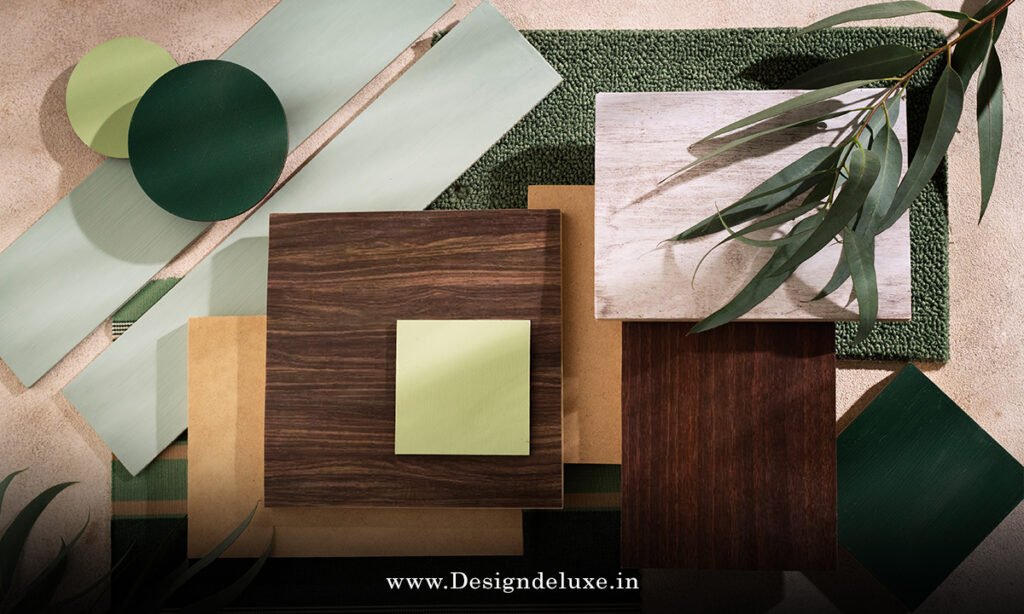
A solid earthy neutrals color palette for sustainable logo design might look like this:
- Primary: Sage green (#6B8A7A) for growth
- Accent: Terracotta (#B14C32) for energy
- Neutral: Warm beige (#DCCCBD) for backgrounds
- Deep: Umber brown (#434A54) for text
These create depth without chaos.
How to Build Your Own Earthy Neutrals Color Palette for Sustainable Logo Design
Start simple. Observe nature: photograph forests, deserts, or gardens, then extract colors using tools like Adobe Color or Coolors.
- Pick a hero color—often a muted green or brown.
- Add complementary neutrals for balance.
- Include one subtle accent for pop, like a dusty ochre.
- Check versatility: Does it work in black-and-white? On light/dark modes?
Incorporate texture mentally—pair with organic shapes like leaves or waves in your logo for cohesion.
Best Practices for Applying Earthy Neutrals in Logo Design
Keep it minimal. Sustainable logos thrive on simplicity—clean lines, negative space, and nature motifs (stylized leaves, mountains, or seeds).
- Use the darkest shade for icons or text.
- Lighter neutrals for backgrounds.
- Limit to 2-3 colors in the main logo for scalability.
Versatility matters: Your earthy neutrals color palette for sustainable logo design should adapt to packaging, websites, apparel. Avoid over-saturation; muted tones age gracefully.
Pair with sans-serif or organic fonts for modernity with warmth.
Real-World Inspiration: Brands Nailing the Earthy Neutrals Look
Many eco-brands embrace this. Wellness companies use sage greens with beiges for calm. Outdoor gear often mixes deep browns with forest tones. These choices reinforce sustainability without words.
One landscape design firm uses native-plant-inspired palettes—sage, terracotta, soft browns—to highlight eco-friendly practices. It feels authentic because it mirrors their work.
Common Mistakes to Avoid with Earthy Neutrals Color Palette for Sustainable Logo Design
Don’t go too muddy—overly dark palettes can feel heavy. Balance with lighter neutrals.
Avoid clichés: Not every eco-logo needs a tree. Subtlety wins.
Test on different mediums. What looks earthy on screen might dull on print.
Conclusion: Embrace the Grounded Power of Earthy Neutrals
An earthy neutrals color palette for sustainable logo design offers more than aesthetics—it’s a statement of values. These tones build trust, evoke calm, and align perfectly with eco-conscious missions. In a noisy digital world, they help your brand stand out by blending in with nature’s quiet strength.
If you’re ready to create a logo that feels timeless and true, start experimenting with earthy neutrals today. Your audience will feel the difference, and your brand will grow roots that last. Go ahead—let the earth guide your design choices.
For more on color psychology in branding, check out this guide from Ignyte Branding. Learn about nature-inspired design elements at ZillionDesigns’ eco-logo tips. Explore current trends in Looka’s logo color insights.
FAQs
What makes an earthy neutrals color palette for sustainable logo design so effective?
It draws directly from nature, conveying authenticity, calm, and environmental harmony—key for brands wanting to appear genuinely sustainable without overt gimmicks.
Which colors are essential in an earthy neutrals color palette for sustainable logo design?
Core ones include sage greens, terracotta browns, warm beiges, taupes, and muted umbers. These provide balance and versatility while staying grounded in natural hues.
Can an earthy neutrals color palette for sustainable logo design work for non-eco brands?
Absolutely. Its timeless, approachable feel suits wellness, lifestyle, or artisanal brands seeking reliability and warmth, even if sustainability isn’t the core focus.
How do I ensure my logo using an earthy neutrals color palette for sustainable logo design is accessible?
Check contrast ratios (WCAG guidelines), test on various backgrounds, and include a monochrome version. Muted tones need careful pairing for readability.
Is an earthy neutrals color palette for sustainable logo design still trending in 2026?
Yes—ongoing shifts toward authenticity and eco-consciousness keep these palettes relevant, with earthy tones like mocha and sage dominating forecasts.