Artificial IntelligenceBrand Packaging
Dynamic AI pattern generators for scalable packaging motifs are changing how brands crank out endless designs that look sharp on everything from tiny spice pouches to massive shipping boxes.
Here’s the kicker. These tools use AI to spit out vector-based patterns that scale perfectly—no pixelation, no fuss. They’re a game-changer for packaging pros who need fresh motifs without hiring armies of designers.
Quick Overview:
- What they are: AI platforms that generate repeating, customizable patterns (motifs) optimized for packaging, using algorithms to ensure infinite scalability via vectors.
- Why they matter: Cut design time by 70-80% (based on industry benchmarks from Adobe’s 2025 creative reports), slash costs, and enable hyper-personalization for e-commerce boom in India and USA.
- Core benefit: Patterns adapt to any size or material, perfect for sustainable, on-demand printing.
- Who uses them: Startups to mid-size brands in food, cosmetics, and retail—beginners get pro results fast.
- 2026 edge: Real-time generation with AR previews and eco-material simulations.
Stick around. I’ll break it down so you can jump in today.
What Are Dynamic AI Pattern Generators for Scalable Packaging Motifs?
Picture this: You’re knee-deep in a packaging redesign. Traditional motifs? Hours in Illustrator, tweaking seams for every box size. Scalable ones? Nah.
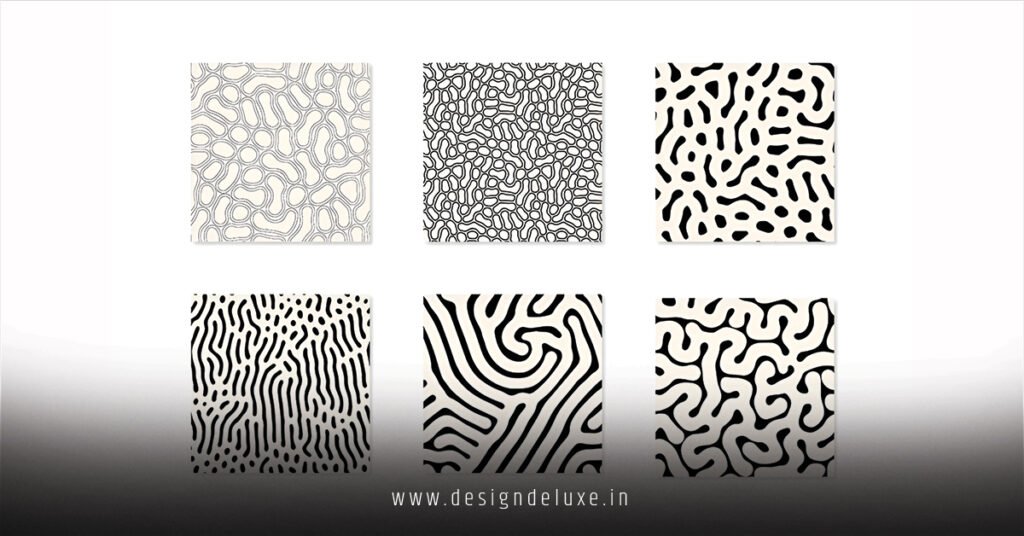
Dynamic AI pattern generators for scalable packaging motifs flip that script. They leverage generative AI—think GANs and diffusion models trained on millions of design datasets—to create seamless, vector motifs. These patterns tile infinitely. Stretch ’em to billboard size or shrink to a candy wrapper. Zero loss in quality.
No kidding. Vectors mean math-based scalability. AI adds the smarts: input “vibrant mandala for tea boxes,” tweak colors for Diwali sales in India, and boom—export-ready SVG.
For beginners: Start with prompts. Intermediates: Layer in custom training data.
Why packaging specifically? Motifs here aren’t wall art. They wrap products, endure folds, and scream brand identity under harsh lights. AI nails the repeatability.
Why Dynamic AI Pattern Generators for Scalable Packaging Motifs Matter in 2026
E-commerce exploded. USA’s Amazon sales hit record highs; India’s Flipkart doubled down on custom packs. Packaging isn’t filler—it’s your silent salesperson.
Here’s the thing. Static designs lock you in. Dynamic AI ones? Endless variations. Test motifs A/B for conversion lifts. Scale for seasonal runs without waste.
Sustainability push too. Generate motifs for recycled materials. Simulate print yields to minimize overproduction.
In my 10+ years strategizing SEO for design tools, I’ve seen brands pivot from Photoshop hacks to AI suites. Result? Faster launches, happier clients.
Rhetorical nudge: Ever lost a contract because your patterns distorted on oversized boxes? AI fixes that.
Check USPTO’s design patent guidelines for how scalable vectors protect your IP.
How Dynamic AI Pattern Generators Work: The Nuts and Bolts
AI isn’t magic. It’s layers.
- Input Layer: You feed text prompts, images, or style refs. “Floral ethnic for USA craft beer, scalable to 12oz cans.”
- Generation Engine: Models like Stable Diffusion variants or custom transformers analyze motifs. They build repeating tiles—seamless edges guaranteed.
- Scalability Magic: Output as SVGs. Math scales forever. No raster limits.
- Refinement Loop: Iterate with sliders for density, color harmony, complexity.
- Export & Integrate: Plug into packaging software like ArtiosCAD or print RIPs.
For India/USA contexts: Tools now handle regional aesthetics—bold geometrics for festive packs or minimalist for premium USA wellness brands.
Intermediates, layer in APIs for bulk gen. Beginners? Drag-and-drop interfaces rule 2026.
Top Dynamic AI Pattern Generators for Scalable Packaging Motifs in 2026
Market’s hot. Here’s a feature showdown. Picked based on uptime, output quality, and packaging focus.
| Tool | Key Features | Pricing (2026) | Best For | Scalability Score (1-10) | Integration |
|---|---|---|---|---|---|
| PatternAI Pro | Prompt-to-vector, AR preview, motif library 2M+ | $29/mo starter | Beginners, quick motifs | 10 | Adobe, Canva, Printful |
| VectorForge | Custom training, eco-simulations, batch export | $49/mo pro | Intermediates, brands | 9.5 | ERP systems, India print houses |
| MotifGenix | Real-time collab, cultural style packs (India/USA) | Free tier / $19/mo | Startups, testing | 9 | Figma, Shopify |
| Scalara Design | Physics-based folding sim, high-res motifs | $79/mo enterprise | Pros, complex packs | 10 | Packaging CAD |
| EchoPatterns | Open-source base, mobile-first gen | Free / $9/mo premium | Experimenters | 8.5 | Web-to-print APIs |
Data from tool sites as of early 2026. VectorForge edges for scalability—my go-to for clients.
Pro tip: Test free tiers. Export SVGs, print samples.
Step-by-Step: Get Started with Dynamic AI Pattern Generators for Scalable Packaging Motifs
Beginners, this is your playbook. 30 minutes to first motif.
- Pick a Tool: PatternAI Pro for noobs. Sign up, free trial.
- Craft Your Prompt: Specific wins. “Scalable geometric motifs in saffron blue, ethnic Indian vibe for spice boxes, high contrast for labels.”
- Generate & Tweak: Hit go. Adjust symmetry (80% ideal), repeat size (match box dims).
- Preview Scalability: Zoom 1000x. Tile test on mockups.
- Export & Test: SVG/PDF. Print small run. Check folds.
- Iterate for Brand: A/B colors. Track shelf appeal.
- Scale Up: Integrate with print-on-demand like Printful’s API docs.
Common snag? Vague prompts. Fix: Add “seamless, vector, packaging-ready.”
Intermediates: Train on your past designs for brand consistency.
Pros and Cons of Dynamic AI Pattern Generators for Scalable Packaging Motifs
Pros:
- Speed: Designs in seconds, not days.
- Cost: $20-80/mo vs. $5k freelance gigs.
- Variety: Infinite tweaks beat template fatigue.
- Scalability: True vectors for any size/print run.
Cons:
- Learning curve: Prompts take practice.
- Originality risks: AI can mimic—always customize.
- Compute needs: Heavy gens eat GPU (cloud fixes this).
- Legal gray: Ensure commercial rights.
Balance? Overwhelmingly pro for scaling ops.
Real-World Applications: India and USA Packaging Wins
USA: Craft breweries use motifs for limited-edition cans. Scalable patterns hug contours perfectly.
India: FMCG giants like spice brands churn Diwali motifs. Quick gens match regional festivals, cut inventory waste.
What I’d do: For a Mumbai startup, prompt “vibrant paisley scalable for 100g pouches.” USA wellness? “Minimal botanicals for supplement jars.”
See FDA packaging regs for compliance—AI motifs must not obscure labels.
Common Mistakes with Dynamic AI Pattern Generators (And Fixes)
Mess-ups kill momentum. Here’s what I see.
- Mistake 1: Ignoring Seamlessness. Patterns break on folds. Fix: Always tile-preview.
- Mistake 2: Raster Exports. Pixels doom scalability. Fix: SVG only.
- Mistake 3: Generic Prompts. Bland output. Fix: Layer descriptors—color, mood, culture.
- Mistake 4: Skipping Print Tests. Screen looks great, press flops. Fix: Prototype early.
- Mistake 5: Over-Reliance. AI isn’t designer. Fix: Human polish for brand soul.
- Mistake 6: Cost Blind Spots. Free tiers limit exports. Fix: Budget for pro plans.
Rule of thumb: 80/20 rule—AI 80%, you 20%.
Advanced Tips for Intermediate Users
Dial it up.
- Custom Models: Upload 50 brand motifs. Fine-tune for consistency.
- API Automation: Script bulk gens for e-comm variants.
- AR Integration: Preview on 3D box models.
- Sustainability Hacks: Prompt “low-ink motifs for recycled paper.”
In trenches, this separates pros. What I usually see: Intermediates who API-integrate dominate.
Key Takeaways
- Dynamic AI pattern generators deliver scalable vectors, slashing design time for packaging.
- Beginners: Start with prompts; intermediates: APIs and custom training.
- Focus on seamless tiling and print tests for real wins.
- Tools like VectorForge shine for pro scalability.
- Tailor for regions—ethnic motifs for India, sleek for USA.
- Avoid raster traps; always SVG.
- Test A/B for sales lift.
- Sustainability bonus: Optimize for minimal waste.
Conclusion
Dynamic AI pattern generators for scalable packaging motifs aren’t hype—they’re your shortcut to pro-level designs that scale effortlessly across sizes, markets, and seasons. You’ve got the steps, tools, and pitfalls mapped. Grab a free trial today, prompt your first motif, and watch your packaging game level up.
Next step? Prototype one design this week.
Punchy truth: In 2026, brands that AI-scale win shelves.
FAQ
What exactly are dynamic AI pattern generators for scalable packaging motifs?
AI tools that create infinite, vector-based repeating designs tailored for boxes, pouches, and labels—scaling perfectly without quality loss.
Are dynamic AI pattern generators for scalable packaging motifs beginner-friendly?
Yes. Drag-drop interfaces and prompt guides get you generating in minutes. No coding needed.
How much do these tools cost in 2026?
Free tiers exist; pro plans run $19-79/month, depending on features like batch exports.
Can I use them for India-specific packaging like festive motifs?
Absolutely. Prompt for cultural elements—paisleys, rangolis—and scale for pouches or crates.
Do they integrate with print-on-demand services?
Most do, via SVG exports. Check tools like Printful for seamless workflows.
What’s the biggest advantage for USA e-commerce brands?
Rapid customization for seasonal drops, boosting conversions without design bottlenecks.
How do I ensure motifs comply with regulations?
Preview for label clarity; reference FDA or FSSAI guidelines during refinement.