D To CBrand Packaging
D2C brand storytelling through packaging turns a simple box into a narrative powerhouse. It’s the physical embodiment of your brand’s voice, whispered directly to the customer before they even touch the product.
Picture this: your customer slices open the tape, lifts the lid, and encounters a carefully curated world that tells your story without a single word. That’s the magic. No retail middleman diluting your message. Just you and them.
Why Packaging is Your Brand’s Silent Narrator
Packaging isn’t just protection. It’s your origin story in cardboard form.
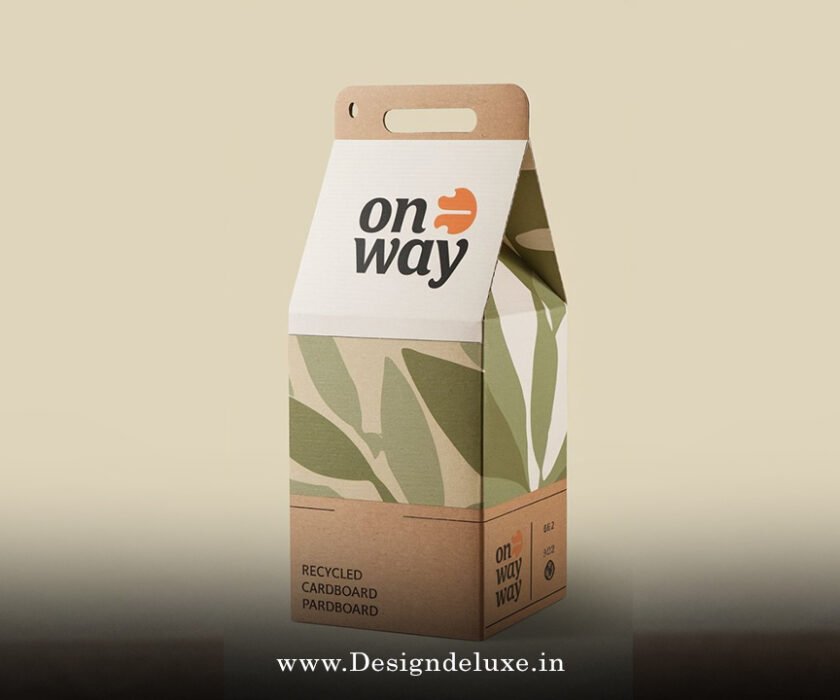
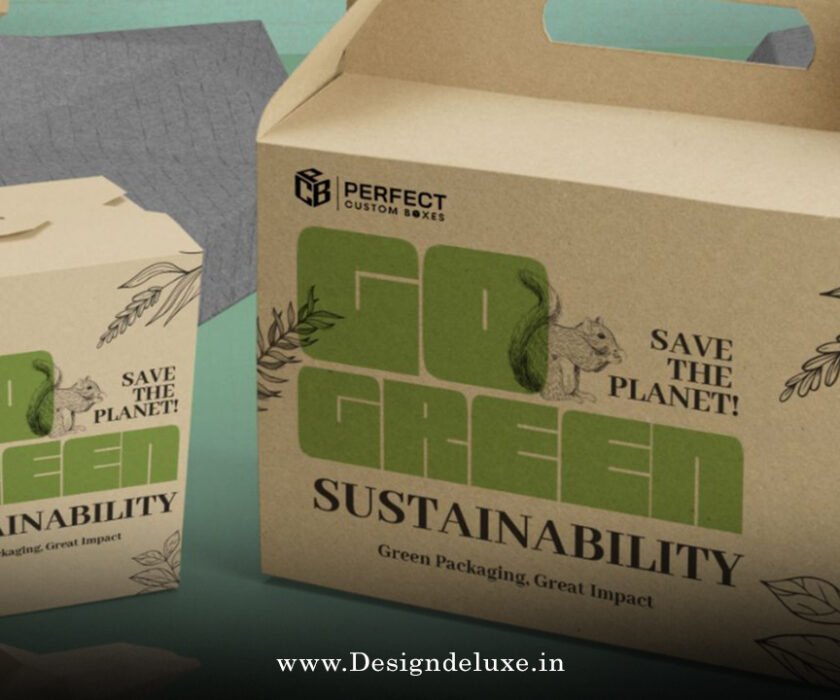
In the D2C world, storytelling sells. Customers crave authenticity, purpose, values. Packaging delivers this tactilely. A minimalist design screams “modern elegance.” Handcrafted textures whisper “artisanal care.” Sustainable materials shout “we care about the planet.”
The kicker? It happens offline, in private moments. That’s intimacy retail can’t touch.
Brands that nail this see loyalty skyrocket. Customers don’t just buy products—they buy into stories.
Core Principles of Storytelling Through Packaging
Know Your Brand Archetype
Every brand has a personality. Are you the rebel? The guardian? The creator? Define it sharply.
- Rebel brands: Bold colors, disruptive shapes, handwritten notes inside.
- Guardian brands: Sturdy, protective designs, reassuring messaging.
- Creator brands: Artistic prints, layered reveals, sensory surprises.
Align every packaging element to this archetype. Inconsistency kills the story.
Craft the Unboxing Journey as a Narrative Arc
Think of unboxing as a three-act play:
- Act 1: The Hook (Exterior). Bold enough to intrigue. Subtle enough to promise more.
- Act 2: The Build (Interior Layers). Progressive reveals. Build anticipation.
- Act 3: The Payoff (Product + Close). Emotional peak. Leave them satisfied and storytelling-ready.
This structure mirrors great stories. Customers feel the journey.
Linking to Luxury Unboxing: The Premium Storytelling Layer
For brands aiming high, luxury unboxing packaging design for direct-to-consumer brands elevates basic storytelling to unforgettable experiences. It combines premium materials with narrative intent—think embossed origin stories on rigid boxes or velvet-lined compartments revealing your heritage one layer at a time. If you’re ready to invest in that level, it transforms packaging from storyteller to legend-maker.
Step-by-Step Guide to Building Your Packaging Story
Step 1: Audit Your Current Narrative
List your brand’s core values. Three max. What’s your founding myth? Customer pain point you solved? Write it as a 50-word story.
Step 2: Map Sensory Storytelling
Engage all senses:
- Sight: Color psychology. Earth tones for organic brands. Monochrome for tech.
- Touch: Textures tell tales. Smooth for sophistication. Rough for rugged.
- Sound: Crinkle of premium tissue. Snap of a quality seal.
- Smell: Subtle essential oil infusion (natural only).
- Taste: Edible inserts for food brands.
Step 3: Design Narrative Elements
Exterior messaging: One tagline or visual motif. No clutter.
Interior storytelling: Custom inserts with your story. QR codes to video origins (use sparingly).
Product integration: Packaging that complements, not competes with, the item.
Step 4: Prototype and Test the Story
Build 10 samples. Open them blind. Does the story land? Film yourself. Share with 5 customers. Ask: “What did this tell you about us?”
Step 5: Scale with Variations
Core story stays fixed. Seasonal twists keep it fresh. Limited editions create collector buzz.
Storytelling Packaging Checklist
- Brand archetype defined and consistent.
- Unboxing arc planned (hook, build, payoff).
- Sensory elements intentional.
- Story told in under 60 seconds of unboxing.
- Sustainable materials align with narrative.
- Tested for emotional impact.
- Social-shareable moments built-in.
- Variations planned for campaigns.
Comparison: Generic vs. Story-Driven Packaging
| Feature | Generic Packaging | Story-Driven Packaging |
|---|---|---|
| Customer Reaction | “Nice box.” | “This feels personal.” |
| Messaging | Product-focused | Brand-values focused |
| Retention Impact | Low | High (20-30% repeat lift) |
| Social Shares | Minimal | Viral potential |
| Cost Multiplier | 1x | 1.5-2x |
| Long-Term ROI | Shipping container | Brand ambassador |
Generic works short-term. Stories build empires.

Common Storytelling Pitfalls (And Fixes)
Pitfall 1: Overloading with Text
Walls of copy. Customers skip it.
Fix: One powerful phrase. Let design speak.
Pitfall 2: Ignoring Cultural Context
Universal design? Rarely exists.
Fix: Adapt for regions. USA: bold minimalism. India: warmth with heritage nods.
Pitfall 3: Story Mismatch with Product
Eco-story on plastic-heavy packaging. Hypocrisy detected.
Fix: Audit supply chain. Align everything.
Pitfall 4: Forgetting the Close
Unboxing ends abruptly. No emotional anchor.
Fix: Thank-you note with call-to-share or next-story tease.
Pitfall 5: No Measurement
You assume it works. It might not.
Fix: Track unboxing video views, sentiment in reviews, repeat rates.
Regional Nuances: India and USA
USA D2C:
- Individualism reigns. Personalization (name on insert) resonates.
- Fast unboxing expected. Stories must be quick.
- Social proof heavy. Design for Instagram Reels.
India D2C:
- Family and tradition matter. Packaging evoking heritage connects.
- Durability signals quality. Reusable designs win.
- Value storytelling. Show journey from farm to door.
Both love authenticity. Tailor the delivery.
Advanced Storytelling Techniques
Interactive Elements: Perforated reveals. Hidden compartments. Customers participate in the story.
AR Integration: Scan exterior for animated brand origin. Bridges physical-digital seamlessly.
Collaborative Stories: Partner with artists. Limited co-branded packaging tells dual narratives.
Memory Anchors: Scents tied to origin (lavender for Provence-inspired). Triggers recall.
User-Generated Loops: “Share your story” prompts. Turns customers into co-narrators.
Key Takeaways
- Packaging is storytelling infrastructure. Build it right, and it works forever.
- Define your archetype first. Everything flows from there.
- Unboxing = narrative arc. Hook, build, payoff.
- Sensory details amplify emotion. Touch, sound, scent matter.
- Test ruthlessly. Stories flop without validation.
- Regional adaptation boosts relevance. USA individualism vs. India warmth.
- Measure beyond sales. Track shares, sentiment, repeats.
Conclusion
D2C brand storytelling through packaging is your secret weapon in a crowded market. It forges connections retail dreams of. Customers don’t forget brands that make them feel seen, valued, understood.
Nail your archetype. Map the unboxing journey. Test and iterate. Your packaging will do the selling while you focus on product.
One box. One story. Endless loyalty.
External Resources
- Brand Archetypes Framework — Carnegie Mellon resources on psychological brand personalities for consistent storytelling.
- Sensory Marketing Research — Harvard Business Review insights on how tactile experiences influence brand perception.
- Packaging Innovation Guidelines — International Association of Packaging Research provides data on narrative design effectiveness.
Frequently Asked Questions
Q: How does D2C brand storytelling through packaging differ from traditional retail?
A: No shelf competition. Direct intimacy. Packaging is your storefront and first sales pitch.
Q: What’s the best way to start storytelling on a tight budget?
A: Focus on one sensory element (texture) + one narrative insert. Scale from there.
Q: Should every packaging run tell a new story?
A: No. Core story consistent. Variations for seasons or campaigns.
Q: How do I know if my packaging story is working?
A: Monitor unboxing content volume, positive sentiment in reviews, repeat purchase upticks.
Q: Can packaging storytelling work for low-price D2C products?
A: Yes, but simplify. Witty inserts, clever reveals outperform luxury materials here.