Mobile App Design
Best mobile app design trends for 2026 are reshaping how we interact with our phones every day. Imagine opening an app that already knows what you need before you even tap—feels almost magical, right? As we step into this year, mobile apps aren’t just tools anymore; they’re smart companions that adapt, anticipate, and delight. With users spending hours glued to screens, designers are ditching flashy gimmicks for experiences that feel intuitive, inclusive, and genuinely helpful.
I’ve dug deep into what’s emerging right now, and the shift is clear: personalization powered by AI, seamless immersion, and thoughtful minimalism are leading the charge. Whether you’re a developer tweaking your next project or a business owner planning an app launch, staying ahead of these best mobile app design trends for 2026 can make all the difference in user retention and satisfaction.
Why Mobile App Design Trends Matter More Than Ever in 2026
Let’s be honest—your app has seconds to hook someone or lose them forever. In a world where the average person juggles dozens of apps, poor design equals instant uninstalls. The best mobile app design trends for 2026 focus on reducing friction, boosting engagement, and building trust. They’re grounded in real user behavior: people want speed, privacy, accessibility, and that “wow” factor without overwhelming complexity.
Think of it like a great conversation—natural, responsive, and memorable. Apps that nail this see higher ratings, better reviews, and loyal users who keep coming back.
1. AI-Driven Hyper-Personalization and Predictive Interfaces
One of the standout best mobile app design trends for 2026 is AI that doesn’t just react—it predicts. Apps now analyze your habits, location, time of day, and even mood (via biometrics like heart rate from wearables) to serve up exactly what you need.
Picture your fitness app suggesting a quick stretch because it detects you’re stressed from a long meeting, or your music streaming service curating a playlist that shifts tempo as your run pace changes. This isn’t sci-fi; it’s happening through on-device AI processing for privacy and speed.
The beauty? It feels personal without being creepy when done right—transparency is key. Users get explanations like “I’m suggesting this because you loved similar tracks last week.” This trend boosts engagement massively, as tailored experiences make users feel seen and valued.
2. Minimalist and Clean Interfaces (Including Zero-UI Elements)
Gone are the cluttered screens of yesteryear. Among the best mobile app design trends for 2026, minimalism reigns supreme—clean, clutter-free layouts that prioritize core functions.
Bare-bones interfaces strip away unnecessary buttons, relying on smart gestures, voice, or even contextual cues. Zero-UI takes it further: imagine controlling your smart home app with a wave or voice command, no screen needed. It’s like the app disappears, letting the task shine.
This approach speeds up load times, reduces cognitive load, and looks elegant. Dark mode pairs perfectly here, easing eye strain and saving battery on OLED screens. If your app feels calm and focused, users stick around longer.
3. Immersive 3D Elements and AR Integration
Who doesn’t love a bit of magic? Interactive 3D and augmented reality (AR) top the best mobile app design trends for 2026 for good reason. Retail apps let you “try on” clothes virtually, education tools overlay 3D models on real-world views, and navigation apps show directions right in your camera feed.
These elements add depth and realism without overwhelming—subtle animations, layered transparencies, and spatial interactions make interfaces feel alive. With foldable phones and better hardware, AR isn’t a gimmick anymore; it’s practical and engaging.
The result? Higher interaction rates and memorable experiences that set your app apart.
4. Glassmorphism and Neumorphism Evolutions
Visual flair meets functionality in trends like glassmorphism—frosted, translucent layers that give a modern, airy feel. Think blurred backgrounds with vibrant accents floating above.
Neomorphism 2.0 blends soft shadows and subtle realism for that tactile, almost physical button look. These styles add sophistication without sacrificing usability, especially on high-res displays.
They’re perfect for premium apps in finance or lifestyle, creating a sense of depth and luxury. Just keep accessibility in mind—contrast ratios matter.
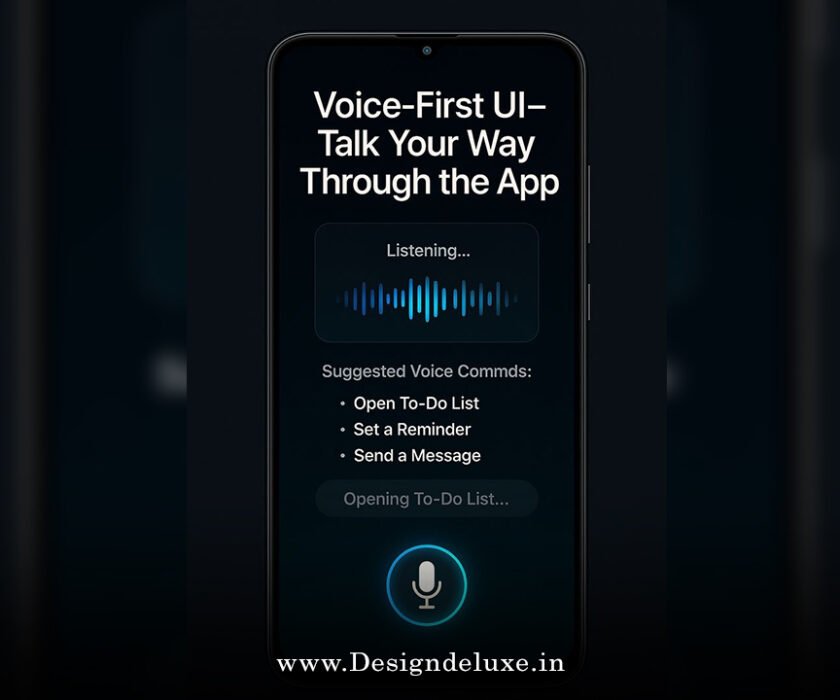
5. Gesture-Based and Voice-First Navigation
Swipes, pinches, and voice commands are evolving fast. Gesture navigation feels natural now, with apps responding to subtle movements like tilting for quick actions.
Voice interfaces, powered by advanced natural language processing, let you say “show me my favorite recipes” instead of hunting menus. Multimodal combos—voice plus touch—make apps accessible and hands-free.
This is huge for driving, cooking, or accessibility needs. It’s one of the best mobile app design trends for 2026 because it reduces taps and feels futuristic yet intuitive.
6. Accessibility-First and Inclusive Design
No trend is more important than building for everyone. The best mobile app design trends for 2026 demand accessibility baked in from day one—dynamic text sizing, high-contrast modes, voice-over support, and color-blind friendly palettes.
Biometric adaptations (like apps adjusting brightness based on ambient light) and emotional awareness (calming interfaces for anxious users) show empathy. Inclusive design isn’t optional; it’s expected and boosts your app’s reach and reputation.
7. Sustainable and Ethical Design Practices
Users care about the planet and privacy more than ever. Sustainable design minimizes battery drain through efficient animations and on-device processing. Ethical AI avoids dark patterns, explains data use clearly, and prioritizes privacy-by-design.
Apps that highlight eco-friendly features—like carbon trackers or low-power modes—resonate deeply. This trend builds long-term trust in a skeptical world.
8. Micro-Interactions and Fluid Motion Design
Small details make big impacts. Micro-interactions—like a satisfying ripple on button press or smooth page transitions—add delight without distraction.
Kinetic typography and purposeful animations guide attention, making navigation feel alive. These polish the experience, turning good apps into great ones.
9. Adaptive and Spatial Design for Foldables and Beyond
With foldables and tablets in play, responsive design goes spatial. Interfaces adapt seamlessly across screen sizes, orientations, and even multi-window modes.
Preparing for spatial computing (think AR glasses previews) means thinking in 3D space now. This future-proofs your app as hardware evolves.
10. Biometric and Emotion-Aware Features
Apps reading subtle cues—like adjusting UI based on fatigue detection—push boundaries. Secure, privacy-focused biometrics replace passwords entirely.
These create empathetic experiences that feel truly human-centered.

Conclusion: Embrace the Best Mobile App Design Trends for 2026 Today
The best mobile app design trends for 2026 boil down to smarter, kinder, and more immersive experiences. AI personalization predicts needs, minimalism clears clutter, AR adds wonder, and inclusivity ensures everyone benefits. By weaving these in thoughtfully, your app doesn’t just function—it connects.
Don’t wait—start experimenting now. The apps that thrive will feel like extensions of the user, not separate tools. What are you building next? Make it unforgettable.
For more on UI/UX best practices, check out Nielsen Norman Group for expert research, Smashing Magazine for design inspiration, and Google’s Material Design guidelines.
FAQs About Best Mobile App Design Trends for 2026
What are the top best mobile app design trends for 2026 everyone should know?
AI-driven personalization, minimalist interfaces, AR immersion, glassmorphism, and gesture/voice navigation lead the pack. They focus on intuitive, adaptive experiences that boost engagement.
How does AI influence the best mobile app design trends for 2026?
AI powers predictive interfaces and hyper-personalization, making apps anticipate user needs while processing data on-device for privacy. It’s about seamless help, not flashy bots.
Why is accessibility a key part of best mobile app design trends for 2026?
Users demand inclusive features like dynamic text, voice support, and contrast options. It’s essential for reach, compliance, and building trust in diverse audiences.
Are immersive elements like AR really among the best mobile app design trends for 2026?
Absolutely—AR enhances practicality in shopping, education, and navigation, creating engaging, memorable interactions without complexity.
How can I implement sustainable practices in line with best mobile app design trends for 2026?
Optimize for low battery use, use efficient code, and highlight privacy/eco features. Ethical design with transparent data handling resonates with conscious users.