Artificial IntelligenceBrand PackagingDESIGN
AI-optimized packaging design mockups with predictive consumer insights are revolutionizing the way brands connect with their audiences. Gone are the days when companies relied solely on intuition and basic market research to design product packaging. Today, artificial intelligence is stepping in as a game-changer, analyzing consumer behavior patterns, preferences, and emotional triggers to create packaging that doesn’t just look good—it sells.
But here’s the thing: if you’re still designing packaging the old-fashioned way, you’re leaving money on the table. Let me walk you through why AI-optimized packaging design mockups with predictive consumer insights matter now more than ever, and how they’re reshaping the competitive landscape for brands everywhere.
What Exactly Are AI-Optimized Packaging Design Mockups with Predictive Consumer Insights?
Think of traditional packaging design as shooting an arrow in the dark. You have a general idea of your target audience, you make some educated guesses about colors and typography, and you hope for the best. AI-optimized packaging design mockups with predictive consumer insights flip this narrative on its head entirely.
These are digital representations of product packaging that leverage machine learning algorithms and data science to predict how real consumers will react to your design choices. Imagine having thousands of focus groups condensed into a sophisticated software platform that analyzes everything—color psychology, typography preferences, cultural nuances, emotional responses, purchasing patterns, and even micro-expressions caught on video during testing phases.
The technology doesn’t just create mockups; it predicts outcomes. It tells you which design elements will drive conversions, which colors resonate most with specific demographic segments, and which packaging layouts will catch attention on crowded retail shelves. It’s like having a crystal ball, except it’s grounded in hard data and machine learning sophistication.
The Core Components of This Technology
When we talk about AI-optimized packaging design mockups with predictive consumer insights, we’re really discussing several interconnected systems working in harmony:
Data Collection Layer: The system gathers information from multiple touchpoints—social media sentiment, past purchasing behavior, eye-tracking studies, heat mapping, and competitive analysis. Every data point becomes fuel for the AI engine.
Machine Learning Models: These algorithms identify patterns humans might miss. They understand that millennial consumers might respond differently to minimalist designs compared to Gen Z audiences, and that sustainability messaging resonates differently across geographic regions.
Predictive Analytics: This is where the magic happens. The AI projects how specific consumer segments will react to design variations before you ever print a single sample.
Real-Time Optimization: As new data emerges, the system adjusts its recommendations, ensuring your packaging strategy stays ahead of evolving consumer preferences.
Why Brands Need AI-Optimized Packaging Design Mockups with Predictive Consumer Insights Right Now
Let’s be honest—the packaging industry has been disrupted. E-commerce has changed everything. Retail shelves are more crowded. Consumer attention spans are shorter. And competition? It’s fiercer than ever.
Here’s where AI-optimized packaging design mockups with predictive consumer insights becomes not just nice-to-have, but essential:
Cost Efficiency and Risk Reduction
Traditional packaging design involves multiple rounds of physical prototypes, focus groups, and revisions. Each iteration costs money. Each delay costs time. AI-optimized mockups let you test dozens of design variations digitally before committing to expensive production. You’re reducing waste, accelerating time-to-market, and slashing revision cycles dramatically.
Data-Driven Decision Making
Rather than relying on a designer’s gut feeling or a marketer’s intuition, you’re now grounded in predictive analytics. The system shows you exactly which design elements drive purchasing intent, which fonts increase readability on shelf, and which color combinations trigger emotional responses aligned with your brand values.
Personalization at Scale
One of the coolest advantages of AI-optimized packaging design mockups with predictive consumer insights is the ability to customize packaging for different markets, demographics, or even individual retail environments. The AI understands that what works in Tokyo might need tweaking for Toronto. What appeals to fitness enthusiasts differs from what attracts eco-conscious consumers. You can adapt without redesigning from scratch.
Competitive Advantage
Your competitors are probably still using traditional methods. By embracing AI-optimized packaging, you’re getting ahead. You’re understanding consumer psychology faster, adapting to trends quicker, and launching packaging that resonates more authentically with your target audience.
How AI-Optimized Packaging Design Mockups with Predictive Consumer Insights Actually Works
Let me break down the practical workflow because understanding this helps you see why it’s so powerful:
Step 1: Comprehensive Data Gathering
The system begins by absorbing information from diverse sources. It analyzes competitor packaging, reviews what customers say about competing products on social media, examines eye-tracking data from how shoppers interact with retail displays, and pulls historical sales data correlated with design choices.
Step 2: Consumer Behavior Modeling
Using sophisticated algorithms, the AI creates detailed consumer personas based on actual behavioral data rather than assumptions. These personas aren’t stereotypes—they’re nuanced profiles that capture how different segments respond to visual stimuli, messaging, functionality, and sustainability claims.
Step 3: Design Generation and Testing
Here’s where AI-optimized packaging design mockups with predictive consumer insights generates multiple design variations automatically. Imagine an AI creating 50 different mockup versions, each with different color schemes, typography choices, imagery approaches, and layout strategies. Each variation is grounded in design principles and consumer preference data.
Step 4: Predictive Scoring
Every mockup gets scored against your target consumer segments. The AI predicts which designs will generate the highest engagement, purchasing intent, brand recall, and shelf-stopping impact. These predictions are based on pattern recognition from thousands of similar products and consumer interactions.
Step 5: Iterative Refinement
Based on these predictions, the system identifies the top-performing design directions and creates refined variations. You might start with 50 mockups, narrow to the top 5 based on predictive scores, then generate 20 refined variations of those winners.
Step 6: Real-World Validation
Before full production, smart brands use limited physical tests in actual retail environments or with real consumer panels. The AI’s predictions should align with this real-world testing, providing validation and confidence for the final decision.
Real-World Applications: Where AI-Optimized Packaging Design Mockups Deliver Results
Beverage Industry Transformation
Major beverage companies are using AI-optimized packaging design mockups with predictive consumer insights to navigate the competitive premium market. The technology helped identify that millennial consumers respond to minimalist design with sustainability messaging, while older demographics prefer traditional branding with heritage storytelling. One company increased shelf visibility by 34% by using AI-generated mockups that predicted color contrast preferences specific to their target age group.
Beauty and Cosmetics Innovation
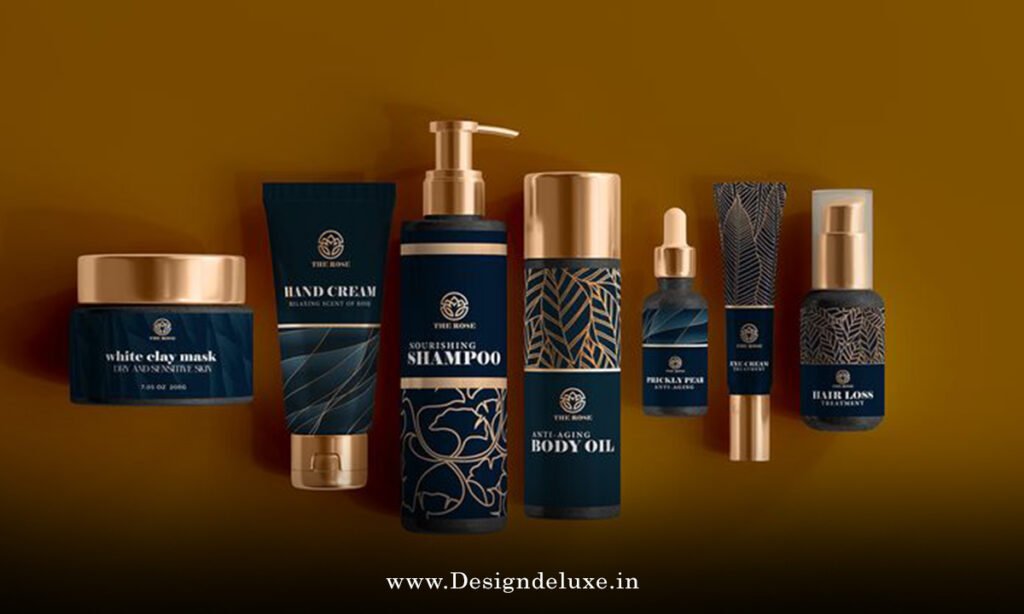
The beauty industry is particularly leveraging this technology because packaging is inseparable from brand perception. AI-optimized packaging design mockups with predictive consumer insights helps beauty brands understand how subtle design changes—metallic finishes, transparency levels, minimalist labeling—influence perceived product quality and purchasing decisions. Brands have reported that AI-informed packaging redesigns increased conversion rates by 22-28%.
Food and Grocery Sector
Grocery products face brutal shelf competition. AI-optimized packaging design mockups with predictive consumer insights has become essential for identifying which design elements catch attention, which fonts improve readability from a distance, and which packaging shapes encourage repeat purchases. One food company used this technology to redesign their entire product line and achieved a 40% increase in brand recognition metrics.
Sustainability-Focused Brands
Environmentally conscious brands are using AI to communicate sustainability claims more effectively through packaging design. The technology helps identify which eco-messaging resonates with different consumer segments, which sustainability labels consumers actually trust, and how to balance visual appeal with environmental responsibility messaging.
The Technology Behind the Intelligence: What Makes It Work
Machine Learning Algorithms
At the heart of AI-optimized packaging design mockups with predictive consumer insights lies sophisticated machine learning. We’re talking about convolutional neural networks that can analyze visual elements with human-level perception, natural language processing that understands consumer sentiment and preferences, and predictive modeling that forecasts behavior patterns.
These algorithms are trained on massive datasets—millions of packaging designs, consumer responses, sales data, and behavioral patterns. The AI learns what works, what doesn’t, and why.
Computer Vision and Eye Tracking Integration
The system uses computer vision to simulate how consumers will actually see your packaging. It applies eye-tracking heatmaps to understand where human attention naturally falls, which elements create visual hierarchy, and how your packaging compares on shelf against competitors.
Sentiment Analysis
Natural language processing analyzes what consumers say about packaging design across social media, reviews, and feedback platforms. This sentiment data feeds back into the system, continuously improving predictions.
Neuroscience-Informed Insights
Some advanced systems incorporate principles from consumer neuroscience—understanding how packaging design triggers emotional and psychological responses at a subconscious level. Color associations, shape psychology, and compositional balance are all factored into predictions.
Key Benefits That Drive Business Results
Increased Sales and Conversion Rates
Companies using AI-optimized packaging design mockups with predictive consumer insights report measurable increases in sales. Because the packaging is optimized for actual consumer preferences rather than designer assumptions, it performs better in the market.
Faster Time-to-Market
Digital mockups and AI optimization reduce design cycles from months to weeks. When you’re competing in fast-moving markets, speed matters.
Reduced Production Waste
By validating designs digitally before production, you eliminate costly mistakes. No more printing 100,000 units of packaging only to discover the design underperforms.
Enhanced Brand Consistency
AI-optimized packaging design mockups with predictive consumer insights helps ensure that packaging across your product line maintains brand consistency while optimizing for specific market segments and consumer preferences.
Better Market Penetration
New product launches using AI-optimized packaging show stronger initial performance because the packaging itself is tuned to market demands.
Overcoming Common Implementation Challenges
Data Privacy Concerns
Implementing AI-optimized packaging design mockups with predictive consumer insights involves handling consumer data responsibly. Leading providers use anonymized data, comply with GDPR and CCPA regulations, and maintain transparent data handling practices.
Integration with Existing Workflows
Many companies worry about disrupting current design processes. Smart implementation involves phased adoption—starting with high-priority product lines and gradually expanding as teams become comfortable with the technology.
Cost Considerations
While AI-optimized systems require initial investment, the ROI typically materializes within the first product launch cycle through improved sales performance and reduced revision costs.
Maintaining Creative Vision
Some designers fear AI will eliminate creativity. The reality? AI-optimized packaging design mockups with predictive consumer insights enhances creativity by removing guesswork. Designers can focus on innovation knowing they’re working within parameters that will resonate with consumers.
Future Trends in AI-Optimized Packaging Design
Augmented Reality Integration
Future AI-optimized packaging design mockups with predictive consumer insights will likely incorporate AR capabilities, allowing consumers to visualize how packaging looks in their home environment before purchase.
Real-Time Dynamic Optimization
Imagine packaging that adapts its design message based on where it’s being sold, which season it is, or trending consumer preferences—all informed by continuous AI analysis.
Sustainability Optimization
As environmental concerns intensify, AI will become increasingly sophisticated at identifying designs that balance visual appeal with minimal material usage and maximum recyclability.
Personalized Packaging at Scale
AI may enable mass customization where each package is individually optimized based on the specific consumer purchasing it—a level of personalization previously impossible.
Conclusion: The Future of Packaging Is Intelligent
AI-optimized packaging design mockups with predictive consumer insights represents a fundamental shift in how brands approach packaging design. It’s no longer about intuition, tradition, or what looks good to designers. It’s about understanding actual consumer behavior, predicting responses with data-backed confidence, and creating packaging that genuinely resonates with your target audience.
Whether you’re launching a new product, refreshing an existing line, or trying to regain market share, AI-optimized packaging design mockups with predictive consumer insights offers tangible advantages: faster design cycles, lower costs, higher conversion rates, and packaging that actually performs in the market.
The brands that embrace this technology today will be the ones setting the standard tomorrow. The question isn’t whether AI will transform packaging design—it’s whether your brand will lead that transformation or play catch-up. If you’re serious about competitive advantage and maximizing your packaging investment, exploring AI-optimized solutions isn’t optional anymore. It’s strategic necessity.
External Resources for Further Reading
- Deloitte Insights on Consumer Behavior and Digital Transformation – Comprehensive research on how artificial intelligence is reshaping consumer engagement and packaging strategies across industries.
- McKinsey & Company: The Art of Packaging Design in the Digital Age – In-depth analysis of how leading brands are integrating AI and data science into packaging development processes.
- Harvard Business Review: Data-Driven Design and Consumer Neuroscience – Explores the intersection of behavioral science, predictive analytics, and brand packaging optimization strategies.
Frequently Asked Questions
1. How does AI-optimized packaging design mockups with predictive consumer insights differ from traditional A/B testing?
Traditional A/B testing compares two design variations with real consumers, which is valuable but time-consuming and limited in scope. AI-optimized packaging design mockups with predictive consumer insights can evaluate dozens of variations simultaneously using predictive models, significantly accelerating the testing timeline. While traditional testing is reactive (you test what’s already designed), AI optimization is proactive—it predicts what will work before anything is physically produced, reducing costs and time substantially.
2. What types of data does AI-optimized packaging design mockups with predictive consumer insights analyze?
The system analyzes a comprehensive range of data: historical sales data, consumer demographic information, behavioral patterns from e-commerce and retail, social media sentiment, competitor packaging analysis, eye-tracking studies, color psychology research, cultural preferences, seasonal trends, and even video recordings of consumer reactions to designs. This multi-source data integration is what makes the predictions so accurate and reliable.
3. Can AI-optimized packaging design mockups with predictive consumer insights work for niche or specialty products?
Absolutely. While the AI performs best with larger datasets, it can be trained on niche market data to make predictions specific to specialty products. For niche brands, the technology helps identify micro-trends and underserved aesthetic preferences within their specific consumer community, providing a competitive advantage in narrower but passionate markets.
4. How much does implementing AI-optimized packaging design mockups with predictive consumer insights typically cost?
Costs vary widely depending on the platform and complexity. Entry-level AI packaging tools start around $5,000-$15,000 per project, while enterprise-level solutions with full customization might range from $50,000-$250,000. However, most companies recover these costs within the first successful product launch through improved sales performance and reduced redesign expenses.
5. What’s the learning curve for teams adopting AI-optimized packaging design mockups with predictive consumer insights?
Most modern AI packaging platforms are designed with user-friendly interfaces, requiring minimal technical expertise. Creative and marketing teams typically become comfortable with the basics within 2-4 weeks. Full mastery—understanding how to interpret predictions, refine iterations, and leverage advanced features—usually takes 2-3 months of regular use. Providers typically offer comprehensive training and support to accelerate adoption.