Artificial Intelligence
AI driven advertising strategies for small businesses are revolutionizing how local shops, startups, and entrepreneurs compete in today’s digital world. Imagine you’re running a cozy coffee shop in a small town or an online boutique with limited budget—traditional advertising often feels like throwing money into a black hole. But with AI driven advertising strategies for small businesses, you can target the right people, create compelling ads, and optimize spending like a big corporation, all without needing a massive marketing team or endless cash.
In this comprehensive guide, I’ll walk you through everything you need to know about AI driven advertising strategies for small businesses. We’ll cover why they’re a game-changer in 2026, practical ways to implement them, top tools that won’t break the bank, real-world examples, and tips to avoid common pitfalls. By the end, you’ll feel confident to start using AI to supercharge your ads and grow your business smarter, not harder.
Why AI Driven Advertising Strategies for Small Businesses Matter in 2026
Let’s be real: running a small business is tough. You’re juggling inventory, customers, and bills, so who has time for complicated ad campaigns? That’s where AI driven advertising strategies for small businesses step in like a tireless assistant.
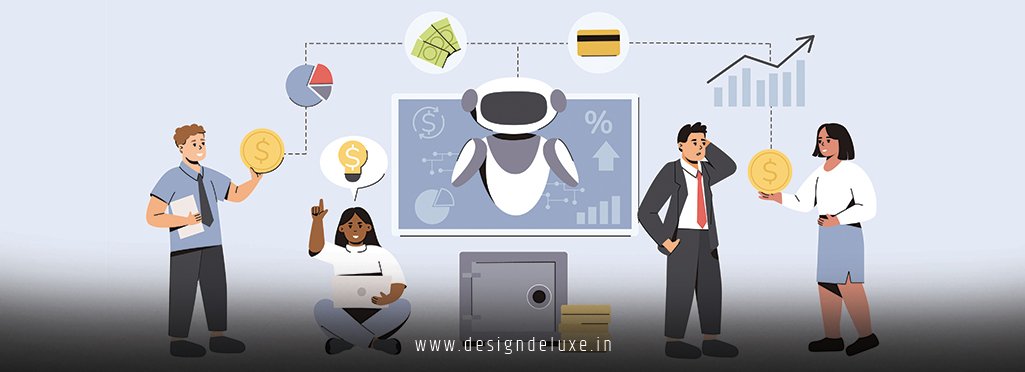
AI analyzes huge amounts of data in seconds—customer behavior, trends, competitor moves—and makes smart decisions. For small businesses, this levels the playing field. Big brands once dominated with huge budgets, but now tools powered by AI let you achieve similar results affordably.
Recent trends show explosive growth. Adoption of AI among small businesses has surged, with many using it for marketing and customer engagement. In fact, surveys indicate over half of U.S. small businesses are investing in AI, focusing on practical applications like automated ads and personalization. The AI marketing market keeps expanding rapidly, driven by tools that make hyper-targeted advertising accessible.
Think of it like this: traditional ads are like shouting in a crowded room. AI driven advertising strategies for small businesses are like whispering directly into the ear of someone who’s already interested in what you sell.
Key Benefits of AI Driven Advertising Strategies for Small Businesses
You might wonder, “Is this hype or real value?” The benefits are tangible and measurable.
First, cost efficiency stands out. AI optimizes bids in real time, reducing wasted spend on uninterested audiences. Small businesses often see lower costs per click or acquisition because AI focuses budgets where they convert best.
Second, hyper-personalization becomes effortless. AI segments customers based on behavior, location, past purchases, and even predicts what they’ll want next. This leads to ads that feel custom-made, boosting engagement and loyalty.
Third, faster results and scalability. What took weeks of manual tweaking now happens automatically. AI tests variations, learns from performance, and scales winning ads quickly.
Finally, data-driven insights without the PhD. AI spots patterns you might miss, like which demographics respond best or the perfect time to run ads. This empowers better decisions overall.
Core Components of Effective AI Driven Advertising Strategies for Small Businesses
To make AI driven advertising strategies for small businesses work, focus on these building blocks.
Audience Targeting and Segmentation with AI
Gone are the days of broad demographics. AI dives deep into data for precise targeting. Tools use machine learning to create lookalike audiences or retarget based on website visits, cart abandons, or social interactions.
For example, if you sell handmade jewelry, AI identifies people who’ve searched for similar items, engaged with competitor posts, or live in your area. This precision reduces ad fatigue and increases relevance.
Personalized Ad Creative Generation
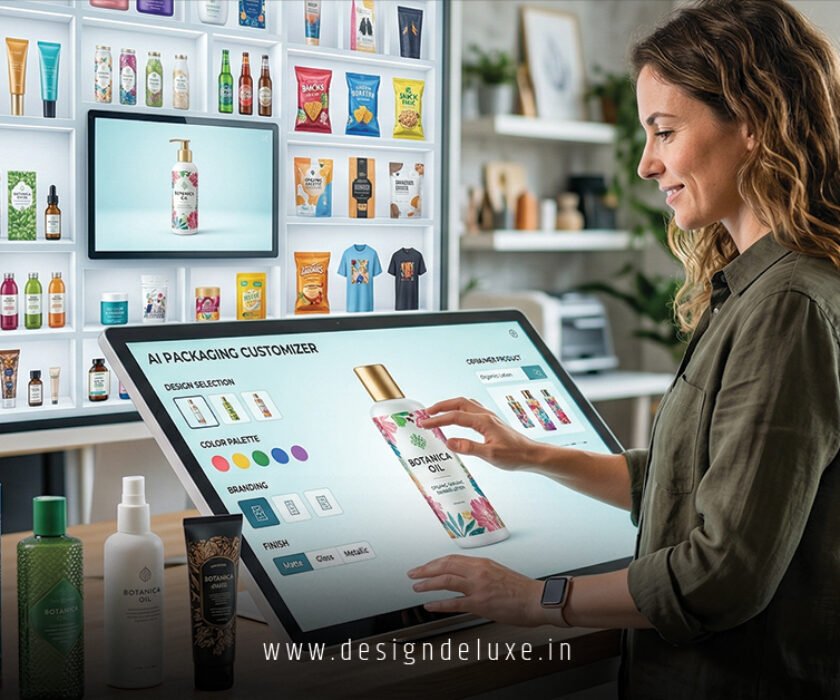
AI doesn’t just target—it creates. Generative AI tools produce ad copy, headlines, images, and even videos tailored to your brand voice.
You input your product details, tone (fun, professional, quirky), and AI generates dozens of variations. This speeds up A/B testing massively. Tools like those for copywriting help craft compelling calls-to-action that resonate.
Automated Bidding and Optimization
Platforms like Google Ads and Meta use built-in AI for smart bidding. They predict conversions and adjust bids automatically to maximize ROI within your budget.
For small businesses, this means setting a daily spend and letting AI handle the rest—no constant monitoring required. It shifts focus from tweaking to strategy.
Predictive Analytics for Campaign Forecasting
AI forecasts performance before you launch. It analyzes historical data and trends to predict outcomes, helping you allocate budget wisely.
This foresight prevents costly mistakes, like pouring money into underperforming channels.
Top AI Tools and Platforms for Small Businesses in 2026
No need for enterprise-level budgets. Here are accessible tools powering AI driven advertising strategies for small businesses today.
Many small businesses start with Google Ads smart features or Meta Ads Manager AI optimizations—free to use with your ad spend.
For content, tools like Jasper or similar generate ad copy and social posts. Platforms like HubSpot offer AI-driven email and ad integration.
Specialized ones like Albert.ai optimize across platforms, though more advanced. Affordable options include Canva’s AI for visuals or Flick for social ads.
Chatbots and automation tools extend to ad follow-ups, turning interest into sales.
For deeper personalization, tools handling predictive lead scoring or dynamic creative prove invaluable.
Implementing AI Driven Advertising Strategies for Small Businesses Step by Step
Ready to dive in? Here’s a beginner-friendly roadmap.
- Assess Your Current Setup — Review existing ads, audience, and goals. Identify pain points like high costs or low conversions.
- Choose the Right Platforms — Start with Google and Meta for reach. Add TikTok or LinkedIn if your audience fits.
- Set Up AI Features — Enable smart bidding, audience insights, and creative tools.
- Create AI-Assisted Content — Use generators for variations. Ensure brand consistency—edit outputs.
- Launch and Monitor — Start small. Let AI optimize for a week, then review metrics.
- Iterate and Scale — Use insights to refine. Expand budgets on winners.
Pro tip: Always add human oversight. AI excels at data but needs your unique voice.
Real-World Examples of AI Driven Advertising Strategies for Small Businesses
Consider a local bakery using AI driven advertising strategies for small businesses. They targeted people searching “fresh pastries near me” with AI-optimized Google Ads, personalized with dynamic images of daily specials. Conversions rose, costs dropped.
An online clothing store used Meta’s AI to retarget cart abandoners with personalized ads showing items left behind plus discounts. Sales recovered significantly.
A service business like a salon employed AI chatbots in ads for instant bookings, reducing no-shows.
These show AI driven advertising strategies for small businesses deliver results across industries.
Common Challenges and How to Overcome Them
AI isn’t perfect. Data privacy concerns arise—comply with regulations like GDPR.
Over-reliance on AI can make ads feel generic. Always infuse personality.
Initial setup intimidates—start simple, use tutorials.
Budget control matters—set strict limits.
Bias in AI possible—diversify data sources.
Address these, and AI driven advertising strategies for small businesses become reliable allies.
Measuring Success in AI Driven Advertising Strategies for Small Businesses
Track key metrics: ROI, cost per acquisition, conversion rate, click-through rate, engagement.
Use platform dashboards or integrate Google Analytics. AI tools provide predictive insights for proactive adjustments.
Regular reviews ensure alignment with goals.
In conclusion, AI driven advertising strategies for small businesses represent one of the most powerful shifts for entrepreneurs today. By embracing personalized targeting, automated optimization, creative generation, and predictive insights, you compete effectively without massive resources. Start small, experiment, learn from data, and watch your growth accelerate. The future favors those who adapt—why not let AI help you lead the pack?
External resources for deeper dives:
- Learn more about AI in marketing from HubSpot’s AI tools guide.
- Explore small business AI adoption insights at the U.S. Small Business Administration.
- Check out advanced trends on Forbes Councils AI for small businesses.
FAQs About AI Driven Advertising Strategies for Small Businesses
What are the best starting points for AI driven advertising strategies for small businesses with no experience?
Begin with built-in AI features on Google Ads or Meta—smart bidding and audience suggestions require minimal setup. Pair with free tools like ChatGPT for ad copy brainstorming.
How much do AI driven advertising strategies for small businesses typically cost?
Costs vary by platform spend, but many tools offer free tiers or low monthly fees ($10–$100). The real “cost” savings come from efficient ad spend—often 20–50% better ROI than manual methods.
Can AI driven advertising strategies for small businesses replace human marketers entirely?
No—AI handles data and automation brilliantly, but human creativity, brand understanding, and strategy oversight remain essential for authentic connections.
Are there risks to privacy when using AI driven advertising strategies for small businesses?
Yes, always prioritize compliance with data laws. Use first-party data, transparent policies, and opt-in features to build trust and avoid issues.
How quickly can small businesses see results from AI driven advertising strategies for small businesses?
Many notice improvements in 1–4 weeks as AI learns from data. Consistent testing accelerates this—start with small budgets to test fast.