Multi-sensory brand identity design with texture and scent marketing has become one of the most innovative and transformative approaches to building lasting emotional connections with customers. In a world where visual branding alone often falls short of creating memorable brand experiences, companies are now turning to the power of touch and smell to differentiate themselves in increasingly crowded marketplaces. But what exactly does this mean, and how can you leverage these sensory dimensions to create a truly unforgettable brand presence?
Let me tell you—this isn’t just marketing fluff. This is the future of brand building, and it’s grounded in solid science and consumer psychology.
Understanding Multi-Sensory Brand Identity Design with Texture and Scent Marketing
Think of your brand as more than just a logo or a color palette. Multi-sensory brand identity design with texture and scent marketing extends your brand experience far beyond what the eye can see. When you walk into a high-end retail store—say, a luxury hotel or a premium cosmetics boutique—do you remember just the visual elements? Probably not. What you actually remember is the complete sensory cocktail: the way the surfaces feel beneath your fingers, the ambient scent floating through the air, the subtle textures on the product packaging, and yes, the visuals too.
This holistic approach recognizes that human perception isn’t compartmentalized. We don’t experience brands through isolated channels. Instead, our brain synthesizes all available sensory information simultaneously. When texture and scent are woven into your brand identity, you’re essentially creating multiple touchpoints that reinforce your brand message at a subconscious level.
The Psychology Behind Sensory Marketing
Here’s where it gets fascinating. Research in neuroscience shows that scent is processed directly in the brain’s limbic system—the same region responsible for emotions and memory. This means fragrance has an almost mystical power to trigger emotional responses and cement brand recall. Texture, on the other hand, engages tactile receptors that communicate directly with our emotional centers, creating a sense of trust and authenticity.
When customers can touch, feel, and smell your brand, they’re engaging in a more primal form of interaction. They’re not just passively consuming your marketing message; they’re actively participating in the brand experience. This engagement dramatically increases the likelihood that your brand will stick in their memory.
The Role of Texture in Multi-Sensory Brand Identity Design
Texture is often the forgotten player in brand identity conversations, yet it’s incredibly powerful. Think about the last time you picked up a product with premium packaging. What did you notice first? The weight? The surface finish? How it felt in your hand?
Creating Memorable Tactile Experiences
Multi-sensory brand identity design with texture and scent marketing begins with understanding that every physical touchpoint is an opportunity. Whether it’s your product packaging, business cards, store interiors, or even the texture of your website’s interactive elements, tactile design matters.
Consider luxury brands like Hermès or Patek Philippe. These companies obsess over every textural detail. Their packaging isn’t just beautiful; it feels substantial, premium, and intentional. The matte finishes, embossed logos, and premium paper stocks all communicate quality without saying a word.
Texture Types and Brand Messaging
Different textures communicate different things:
Smooth and Polished: Suggests sophistication, modernity, and cleanliness. Think of minimalist tech brands or sleek cosmetics lines.
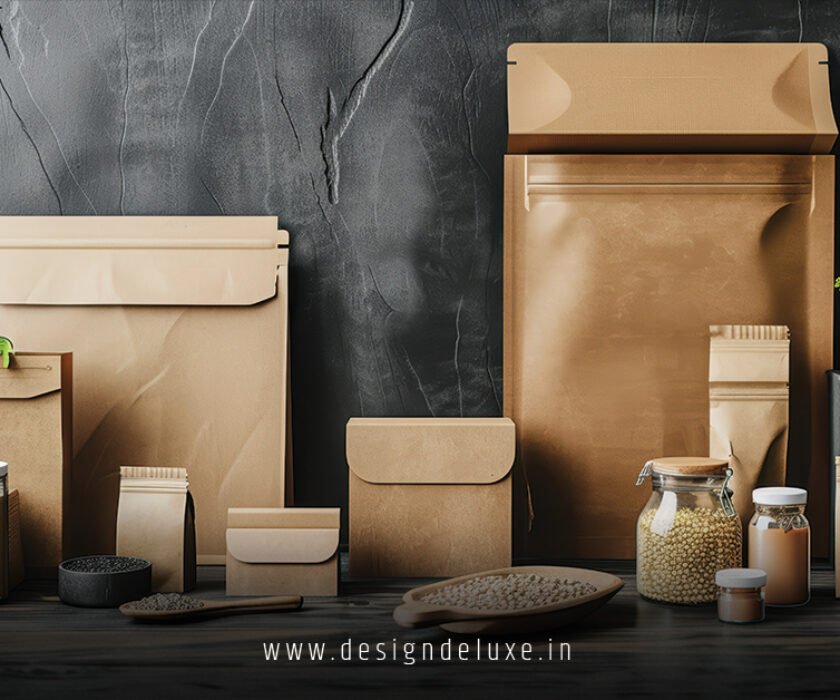
Rough and Rustic: Evokes authenticity, earthiness, and craftsmanship. Artisanal food brands and sustainable products often lean into this.
Soft and Velvety: Communicates luxury, comfort, and indulgence. High-end skincare and fragrance brands frequently employ this tactile language.
Structured and Textured: Implies complexity, depth, and attention to detail. Architectural design firms and premium fashion houses use this approach.
Implementing Texture in Your Brand
When you’re developing multi-sensory brand identity design with texture and scent marketing, start by auditing every physical point of contact. Your packaging material, the surface finishes on your products, the furniture in your showroom, even the texture of your promotional materials—all of these should align with your brand narrative and values.
The Power of Scent in Brand Building
Now, let’s talk about scent, which might be the most underutilized yet potent sensory tool available to modern brands. Scent marketing isn’t new, but it’s evolved significantly, and when combined with texture in multi-sensory brand identity design with texture and scent marketing, it creates an almost irresistible brand anchor.
How Scent Creates Emotional Resonance
Here’s a startling fact: approximately 75% of human emotions are triggered by smell. That’s not a small percentage—that’s nearly everything. The olfactory system has direct connections to the amygdala and hippocampus, brain regions governing emotion and memory respectively. This is why a particular fragrance can instantly transport you back to your grandmother’s kitchen or a specific moment from your childhood.
For brands, this neurological reality is like striking gold. A signature scent becomes a sensory shorthand for your entire brand identity. It works in the background, triggering emotional responses that customers might not even consciously recognize but absolutely will remember.
Designing Your Signature Scent
Multi-sensory brand identity design with texture and scent marketing requires careful scent strategy. You’re not just picking a pleasant smell; you’re creating a scent profile that authentically represents your brand personality.
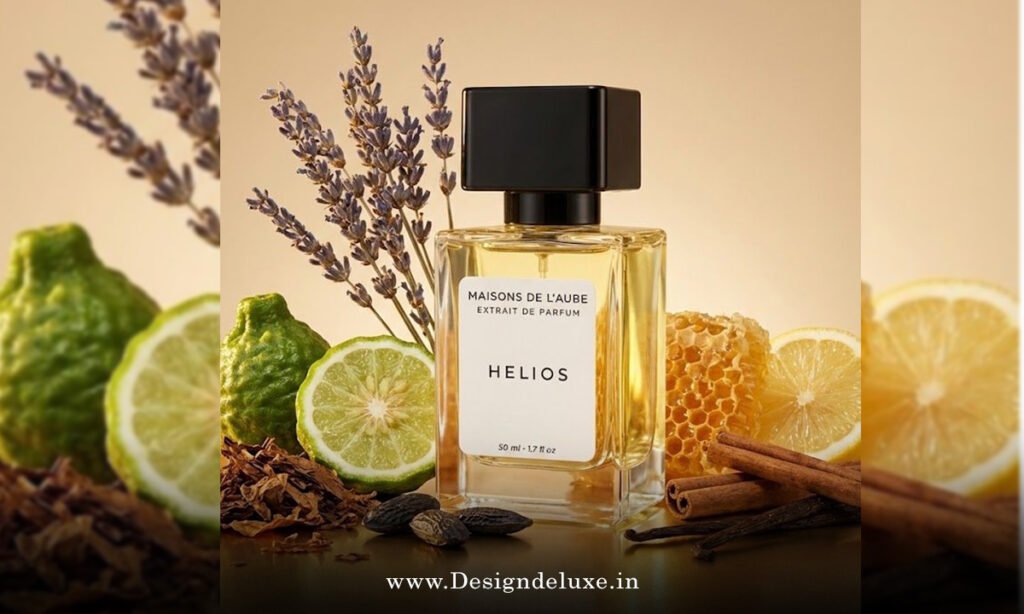
For luxury brands: Think rich, complex fragrances with notes of oud, amber, or vanilla. These communicate exclusivity and indulgence.
For wellness brands: Citrus, eucalyptus, and mint notes work beautifully, evoking freshness, clarity, and vitality.
For retail environments: Apple stores famously used a subtle blend of scents in their flagship locations. The effect? Customers lingered longer and felt more emotionally connected to the brand.
For food and beverage brands: The scent of freshly roasted coffee or baked goods creates immediate positive associations and appetite stimulation.
Implementing Scent Marketing Effectively
Scent should be subtle. The goal isn’t to overpower but to create an ambient aroma that becomes inseparable from the brand experience. Too strong, and it becomes unpleasant; too faint, and it doesn’t register. This is where expertise matters.
Many brands partner with fragrance houses to develop custom scents. Luxury hotels often have signature scents in their lobbies and rooms. High-end retail stores carefully manage their ambient scent to enhance the shopping experience. Even some luxury car brands have introduced signature scents to their interiors.
Integrating Texture and Scent: A Holistic Approach to Multi-Sensory Brand Identity Design
The magic truly happens when texture and scent work together. Multi-sensory brand identity design with texture and scent marketing isn’t about throwing sensory elements at the wall and seeing what sticks. It’s about creating a coherent sensory narrative that reinforces your brand values.
Creating Sensory Coherence
Imagine a luxury skincare brand. Their products might feature:
- Textured packaging with embossed patterns that feel sophisticated under your fingers
- A signature fragrance that complements the skincare formulation and feels luxurious when applied
- Retail environments with soft, touchable materials that reinforce the sensory experience
- Product texture itself—perhaps a silky serum or a creamy lotion—that complements the visual and olfactory elements
Each sensory element reinforces the others, creating a unified brand experience that’s far more memorable than visual branding alone.
Testing and Refinement
Developing effective multi-sensory brand identity design with texture and scent marketing requires testing. You might conduct sensory workshops where customers interact with different texture and scent combinations. You might analyze customer feedback from multiple angles: “Did the scent feel premium?” “Did the texture communicate quality?”
The data you gather helps refine your sensory strategy until every element works in perfect harmony.
Real-World Applications and Case Studies
Luxury Retail and Multi-Sensory Marketing
Luxury department stores like Harrods and Galeries Lafayette have mastered multi-sensory brand identity design with texture and scent marketing. They invest heavily in creating immersive environments where texture, scent, visuals, and sound all work together. The result? Customers don’t just shop; they experience a premium lifestyle.
Hospitality Industry Excellence
Hotels, particularly luxury chains, have become experts in this arena. From the texture of Egyptian cotton sheets to the subtle lavender or vanilla scents in rooms and lobbies, every sensory element is deliberately chosen. When guests return home, they often remember the scent and the feel more vividly than they remember specific room features.
Food and Beverage Innovation
Coffee shops and high-end restaurants are leveraging scent incredibly effectively. The aroma of freshly roasted coffee or baked pastries isn’t just pleasant—it’s strategic brand building. Combined with the texture of premium ingredients (crusty bread, smooth chocolate), these brands create multisensory experiences that drive loyalty.
Automotive and Luxury Goods
Premium car manufacturers invest in signature scents and premium interior materials. The feel of leather, the subtle fragrance, the attention to tactile detail—these all communicate craftsmanship and value.
Challenges and Considerations in Multi-Sensory Brand Identity Design
Avoiding Sensory Overload
One risk of multi-sensory brand identity design with texture and scent marketing is going too far. Customers can be overwhelmed if sensory elements compete rather than complement. A strong scent paired with aggressive tactile patterns might feel chaotic rather than cohesive.
Individual Sensory Preferences
Not everyone responds to scents the same way. Fragrance allergies, olfactory preferences, and cultural factors all play roles. A scent that delights one customer might alienate another. This is why subtlety matters enormously.
Cultural Sensitivity
Scents have different meanings across cultures. A fragrance that feels luxurious in one market might feel off-putting in another. Brands expanding globally must research these nuances carefully.
Consistency Across Touchpoints
Maintaining textural and olfactory consistency across multiple locations, products, and platforms is challenging but essential. One inconsistent brand touchpoint can undermine the entire sensory strategy.
Best Practices for Implementing Multi-Sensory Brand Identity Design with Texture and Scent Marketing
Start with Your Brand Essence
Before selecting textures and scents, clarify your brand’s core values and personality. Are you premium or accessible? Modern or traditional? Playful or serious? Your sensory choices should amplify these characteristics.
Conduct Sensory Audits
Evaluate every customer touchpoint. What does your packaging feel like? What scents are present in your retail environment? Do these align with your brand promise?
Partner with Experts
Fragrance designers, packaging specialists, and sensory experience designers can help you navigate these waters effectively. Their expertise ensures your sensory strategy is sophisticated and impactful.
Test with Your Audience
Before full rollout, test different textures and scents with real customers. Gather feedback and refine based on their responses.
Maintain Long-Term Consistency
Once you’ve established your sensory identity, protect it fiercely. Consistency over time is what transforms sensory elements into brand anchors.
Document Your Strategy
Create clear guidelines for your sensory brand identity. Document your signature scent profile, texture preferences, and implementation standards. This ensures everyone on your team—and your partners—understand and maintain the strategy.
The Future of Multi-Sensory Brand Identity Design
The field is evolving rapidly. Emerging technologies like scent delivery systems, haptic feedback in digital experiences, and virtual reality environments are expanding the possibilities. Imagine a digital shopping experience where you can “feel” the texture of a product or experience a brand’s signature scent through your device.
Multi-sensory brand identity design with texture and scent marketing will likely become even more sophisticated. Brands that master this approach now will have a significant competitive advantage as consumer expectations for immersive experiences continue rising.
Conclusion
Multi-sensory brand identity design with texture and scent marketing represents a fundamental shift in how brands connect with customers. By engaging the senses of touch and smell alongside visual elements, you’re tapping into the most primal and powerful drivers of human emotion and memory. This isn’t just marketing—it’s brand psychology in action.
The businesses that recognize this truth and invest in sensory brand development are the ones that create truly lasting impressions. Whether you’re a luxury brand, a hospitality company, or a retail enterprise, the question isn’t whether you should implement multi-sensory brand identity design with texture and scent marketing—it’s how quickly you can do it. The competitive landscape is changing, and sensory differentiation is rapidly becoming table stakes for premium brands. Start your sensory brand journey today, and watch as your customers develop deeper, more meaningful connections with your brand.
External Resources for Further Learning
- Forbes: The Psychology of Retail Design — https://www.forbes.com (An authoritative resource exploring how sensory elements influence consumer behavior in retail environments)
- Harvard Business Review: Creating Immersive Brand Experiences — https://www.hbr.org (Trusted insights on building memorable customer experiences through sensory engagement)
- Psychology Today: The Neuroscience of Scent and Memory — https://www.psychologytoday.com (Expert exploration of how olfactory stimuli impact memory formation and emotional response)
Frequently Asked Questions
1. What’s the difference between multi-sensory brand identity design with texture and scent marketing and traditional branding?
Traditional branding primarily focuses on visual elements—logos, colors, typography. Multi-sensory brand identity design with texture and scent marketing extends beyond the visual to include tactile experiences and olfactory elements. This creates a more immersive and memorable brand experience that engages multiple neural pathways simultaneously, resulting in stronger brand recall and emotional connections.
2. How much does it cost to implement multi-sensory brand identity design with texture and scent marketing?
Costs vary widely depending on scope and ambition. Developing a signature scent might cost anywhere from $5,000 to $50,000+, while implementing textural changes across packaging and retail environments could range from $10,000 to several hundred thousand dollars. However, the ROI—measured in brand loyalty, customer retention, and premium pricing power—often justifies the investment.
3. Can small businesses benefit from multi-sensory brand identity design with texture and scent marketing?
Absolutely. While large corporations have bigger budgets, small businesses can still implement sensory branding strategically. This might mean selecting premium packaging materials that feel luxurious, introducing a subtle ambient scent in your retail space, or ensuring your product itself has a pleasant tactile quality. Even modest sensory enhancements can differentiate your brand meaningfully.
4. How do I choose the right scent for my brand when implementing multi-sensory brand identity design with texture and scent marketing?
Start by clarifying your brand personality and values. Then work with a fragrance professional to develop options that align with these characteristics. Test with your target audience to gauge emotional responses. The right scent should feel authentic to your brand, be pleasant without being overpowering, and ideally have some connection to your product category or brand story.
5. Are there industries where multi-sensory brand identity design with texture and scent marketing works particularly well?
Yes, certain industries see particularly strong results: luxury goods, hospitality, high-end retail, cosmetics and fragrance, automobiles, food and beverage, and wellness. However, any brand seeking to differentiate and build emotional connections can benefit from sensory design. Even tech companies and financial services firms are beginning to explore these approaches.