BrandBrand Packaging
Minimalist tactile packaging design for modern brands represents a powerful shift in how companies connect with consumers today. Imagine picking up a product on a crowded shelf—your eyes scan the chaos of bold colors and shouting claims, but then your fingers brush against something smooth yet subtly textured, clean and intentional. That single moment of touch can transform a simple purchase into a memorable experience. In an era overflowing with visual noise, minimalist tactile packaging design for modern brands stands out by saying less visually while saying more through feel.
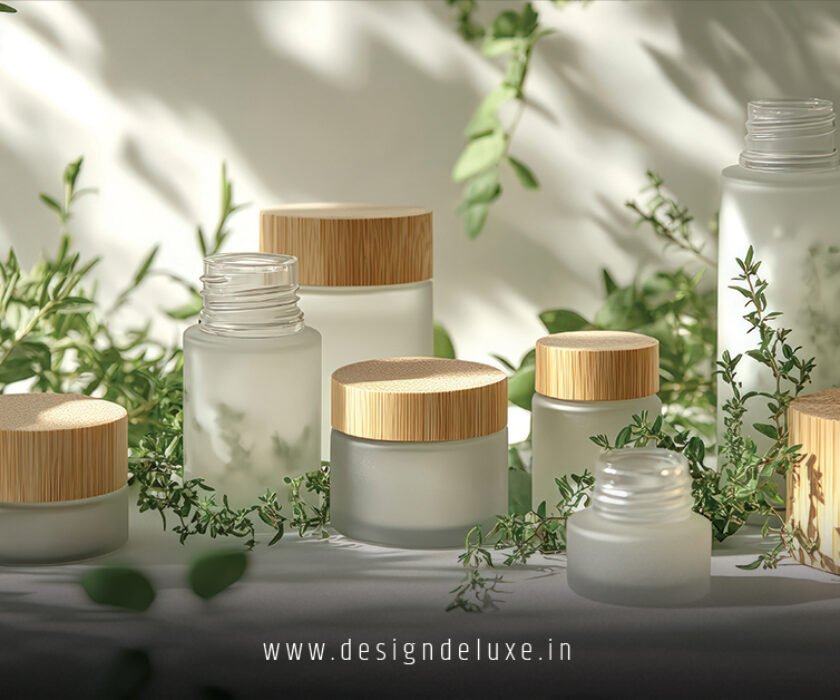
This approach combines minimalism—think clean lines, neutral palettes, sparse typography—with tactile elements like embossed logos, soft-touch coatings, or raw uncoated papers. It’s not just about looking premium; it’s about feeling premium. Modern brands, from skincare to whiskey to sustainable goods, adopt minimalist tactile packaging design for modern brands to build trust, evoke luxury, and align with eco-conscious values.
Why does this matter now? Consumers crave authenticity and sensory delight amid digital overload. Packaging becomes the first physical interaction with a brand, and when it’s thoughtfully minimalist yet richly tactile, it creates an emotional hook that’s hard to forget.
What Exactly Is Minimalist Tactile Packaging Design for Modern Brands?
At its core, minimalist tactile packaging design for modern brands strips away excess to highlight quality through simplicity and touch. Visual clutter disappears: no flashy graphics, no overcrowded text, just essential branding executed flawlessly.
But minimalism alone can feel flat or cold. That’s where tactility comes in. Tactile features add dimension—raised embossing that your thumb traces, a velvety matte finish that begs to be held, or textured paper evoking natural materials. These elements turn passive viewing into active engagement.
Picture Apple’s iconic boxes: crisp white cardstock with subtle magnetic closures and precise fits. Or Aesop’s amber bottles with straightforward labels on textured stock. These examples show how minimalist tactile packaging design for modern brands elevates everyday items into something almost ceremonial.
The psychology here is fascinating. Touch influences perception deeply. Studies show tactile experiences boost perceived value, foster positive emotions, and improve brand recall. When a package feels luxurious, consumers assume the product inside matches that quality. It’s like a firm handshake in packaging form—confident, understated, trustworthy.
Why Modern Brands Are Embracing Minimalist Tactile Packaging Design
Today’s shoppers aren’t just buying products; they’re investing in stories, values, and experiences. Minimalist tactile packaging design for modern brands meets these demands head-on.
First, it screams premium without screaming. In saturated markets, bold designs blend into noise. Simplicity stands apart. Brands using minimalist tactile packaging design for modern brands appear confident—their product doesn’t need hype because quality speaks for itself.
Second, sustainability plays a huge role. Minimal designs use fewer inks, simpler structures, and often recyclable or single-material components. Tactile effects achieved through embossing or specialty papers reduce the need for heavy printing. This aligns with eco-aware consumers who reward brands for thoughtful restraint.
Third, the sensory unboxing experience drives social sharing. In the age of Instagram and TikTok, a satisfying tactile reveal—peeling back layers, feeling embossed details—becomes content gold. Brands see higher engagement when packaging invites touch and exploration.
Finally, it builds emotional connections. Touch triggers subconscious associations with quality and care. A soft-touch coating mimics skin or leather; raw textures evoke craftsmanship. These cues make consumers feel valued, turning one-time buyers into loyal advocates.
Key Elements That Define Minimalist Tactile Packaging Design for Modern Brands
To nail minimalist tactile packaging design for modern brands, focus on these core components.
Clean Visual Hierarchy
Use ample white space, sans-serif fonts, and limited color palettes (often monochromes or earth tones). Branding stays subtle—a small logo or embossed name suffices.
Premium Materials
Opt for high-quality stocks like uncoated papers, recycled cardboards, or rigid setups. These feel substantial without excess weight.
Tactile Techniques
- Embossing/Debossing: Raised or indented logos create shadow play and finger-tracing delight.
- Soft-Touch Coatings: A velvety matte layer adds warmth and grip.
- Spot Textures: Selective rough/smooth contrasts guide the hand.
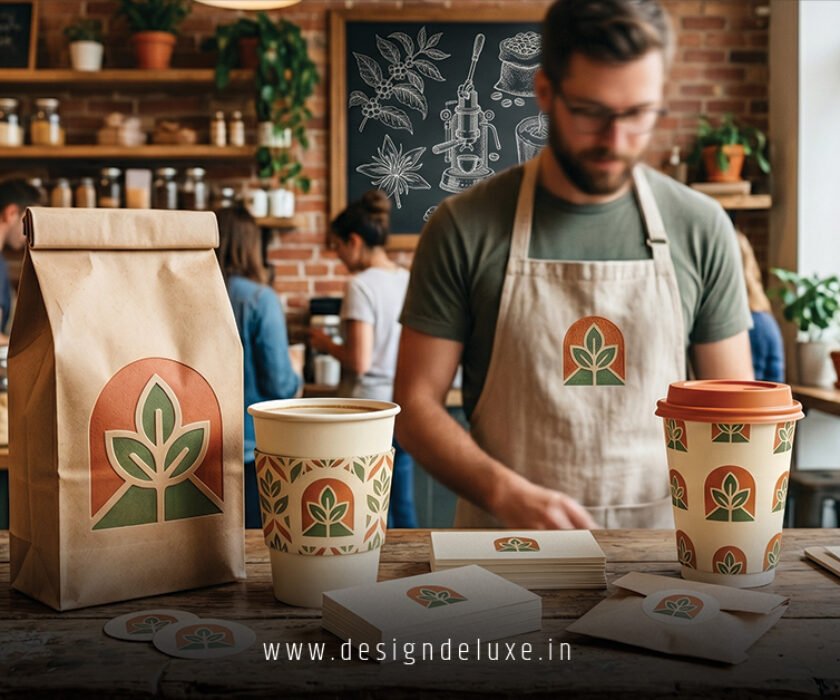
- Natural Textures: Kraft or linen-like finishes evoke authenticity.
Functional Elegance
Magnetic closures, precise die-cuts, or nested inserts enhance the ritual without complicating the design.
These elements work together in minimalist tactile packaging design for modern brands to create harmony between sight and touch.
Real-World Examples of Minimalist Tactile Packaging Design for Modern Brands
Look at Aesop: Their bottles feature simple typography on textured, uncoated paper labels. The matte finish and subtle embossing make each product feel artisanal.
Typology skincare uses monochrome, apothecary-inspired boxes with clean fonts and tactile paper stocks—pure, honest, premium.
In spirits, Frank August bourbon employs understated boxes with embossed details and soft-touch elements, letting the whiskey’s quality shine.
Beauty brands like Chanel master timeless minimalism with iconic black-and-white schemes and subtle textures that feel luxurious under fingertips.
Even food brands like RXBAR use clear, ingredient-focused wrappers with minimal graphics, though adding tactile paper could elevate them further in minimalist tactile packaging design for modern brands.
These cases prove minimalist tactile packaging design for modern brands works across categories, turning functional packaging into brand storytelling.

Benefits and Psychology Behind Minimalist Tactile Packaging Design for Modern Brands
Beyond aesthetics, the perks run deep.
Consumers perceive higher value—simplicity plus tactility equals luxury. Research links tactile packaging to increased preference and willingness to pay more.
It differentiates in crowded shelves. While competitors shout, your package whispers confidently.
Sustainability gains traction—less material, fewer processes mean lower environmental impact.
Unboxing becomes memorable, boosting word-of-mouth and shares.
Psychologically, touch builds trust. It activates brain areas tied to emotion and reward, making the brand feel more human and approachable.
In minimalist tactile packaging design for modern brands, restraint amplifies impact—less visual distraction lets tactile joy take center stage.
How to Implement Minimalist Tactile Packaging Design for Modern Brands in Your Business
Ready to try it? Start small.
Audit your current packaging: What feels unnecessary? Strip it back.
Choose materials wisely—test samples for that perfect hand-feel.
Collaborate with designers experienced in tactile finishes. Specify embossing depths or coating types.
Prototype rigorously—hold it, open it, share it.
Consider scalability: Ensure tactile elements don’t skyrocket costs.
Align with your brand story—minimalist tactile packaging design for modern brands shines when authentic.
Challenges in Minimalist Tactile Packaging Design for Modern Brands
It’s not effortless. Achieving “simple” requires precision—flaws show more.
Balancing minimalism and standout tactility can be tricky; too subtle risks boredom.
Costs for premium stocks and finishes add up, though long-term loyalty offsets this.
On shelves, ultra-minimal designs might get overlooked in bright environments—strategic placement helps.
Yet these hurdles make mastery rewarding.
The Future of Minimalist Tactile Packaging Design for Modern Brands
Trends point to bolder minimalism: industrial edges meet soft textures, single-material innovations, and sensory surprises.
Sustainability will deepen—biodegradable tactiles, refill systems.
Tech integration like subtle AR won’t overshadow touch.
Expect more brands embracing minimalist tactile packaging design for modern brands as consumers demand meaningful, multi-sensory experiences.
Minimalist tactile packaging design for modern brands isn’t a passing trend—it’s a philosophy. It honors simplicity while celebrating touch, proving that in a noisy world, quiet confidence wins. By focusing on clean visuals and intentional textures, brands create deeper connections, foster loyalty, and stand out authentically.
If you’re a modern brand ready to evolve, consider minimalist tactile packaging design for modern brands. Your products deserve packaging that feels as exceptional as they are. Start exploring—your customers’ fingertips will thank you.
For more on packaging trends, check these high-authority resources:
- Packaging World Insights on minimalist trends
- Berlin Packaging on design considerations
- VistaPrint on packaging trends
FAQs
What makes minimalist tactile packaging design for modern brands different from traditional packaging?
Unlike busy, colorful designs, minimalist tactile packaging design for modern brands prioritizes clean aesthetics and sensory touch, using subtle textures to convey luxury and quality without overwhelming visuals.
Why do modern brands choose minimalist tactile packaging design?
It builds perceived premium value, supports sustainability, creates memorable unboxing moments, and stands out in crowded markets by engaging consumers through touch rather than just sight.
Can small brands afford minimalist tactile packaging design for modern brands?
Yes—start with cost-effective options like embossed logos on quality paper or soft-touch coatings. The investment pays off through stronger brand perception and customer loyalty.
How does touch influence consumer decisions in minimalist tactile packaging design for modern brands?
Tactile elements trigger emotional responses, boost perceived quality, and improve recall, making products feel more trustworthy and desirable.
What are common tactile features used in minimalist tactile packaging design for modern brands?
Popular ones include soft-touch matte finishes, blind embossing, debossing, textured uncoated papers, and selective spot textures that add depth without visual clutter.