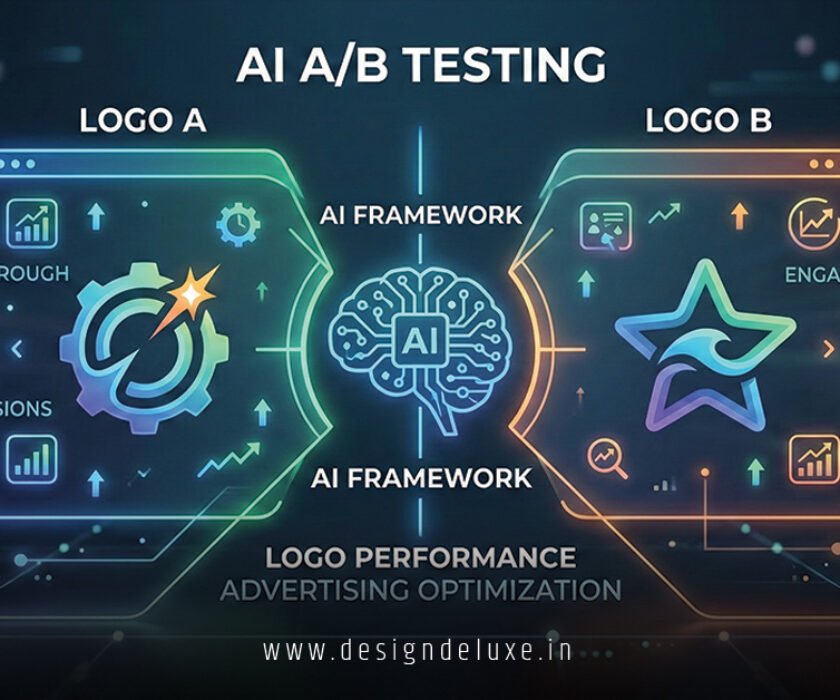
A/B Testing
How to create high-converting landing pages with A/B testing is one of the smartest questions you can ask if you’re serious about growing your online business. A great landing page doesn’t just look pretty—it turns curious visitors into paying customers, email subscribers, or loyal leads. And when you layer A/B testing on top, you stop guessing what works and start proving it with real data. In this guide, we’ll walk through everything you need to know to build pages that actually convert, using A/B testing as your secret weapon.
You’ve probably landed on pages that made you pull out your credit card in seconds—and others that made you hit the back button instantly. The difference? Intentional design backed by relentless testing. Let’s dive deep into how you can create those winning experiences yourself.
Why High-Converting Landing Pages Matter More Than Ever
Traffic is expensive. Whether you’re paying for ads on Google, Meta, or LinkedIn, every click costs money. If your landing page doesn’t convert that traffic, you’re basically lighting cash on fire.
A high-converting landing page aligns perfectly with the visitor’s intent. Someone clicking a “Free SEO Audit” ad expects exactly that—not your homepage with 47 navigation links. When you deliver what they want, fast and clearly, conversion rates soar. Industry benchmarks show well-optimized landing pages often convert at 10–20%, while generic pages limp along at 2–5%.
But here’s the kicker: what works for one audience might bomb with another. That’s where learning how to create high-converting landing pages with A/B testing becomes a game-changer. You’re no longer relying on gut feelings or “best practices” from 2018—you’re letting your actual visitors vote with their clicks.
Understanding the Core Elements of a High-Converting Landing Page
Before we jump into testing, let’s make sure your foundation is rock-solid. Think of your landing page like a first date: you’ve got seconds to make a great impression.
Compelling Headline and Subheadline
Your headline is the make-or-break moment. It should speak directly to the visitor’s pain point or desire. For example, instead of “Welcome to Our Software,” try “Increase Your Sales Team’s Close Rate by 37% in 90 Days.”
The subheadline adds context and proof. Pair a bold promise with social proof or a specific benefit: “Join 10,000+ teams already closing more deals with AI-powered coaching.”
Trust-Building Social Proof
People trust people. Include testimonials, case studies, client logos, or star ratings above the fold. Video testimonials convert especially well—there’s something about seeing a real person that generic quotes can’t match.
Clear, Benefit-Focused Copy
Write like you talk to a friend. Short sentences. Active voice. Focus on benefits, not features. Instead of “Our tool has AI integration,” say “Watch AI turn your cold emails into warm conversations automatically.”
Strong Call-to-Action (CTA)
Your CTA button should stand out like a neon sign. Use contrasting colors, action-oriented text (“Get My Free Audit Now” beats “Submit”), and place it both above and below the fold.
Fast Load Speed and Mobile Optimization
If your page takes longer than three seconds to load, you’ve already lost half your visitors. Compress images, minimize code, and test relentlessly on mobile devices. Google’s data shows mobile conversion rates are often half of desktop if pages aren’t optimized.
What Is A/B Testing and Why It’s Essential
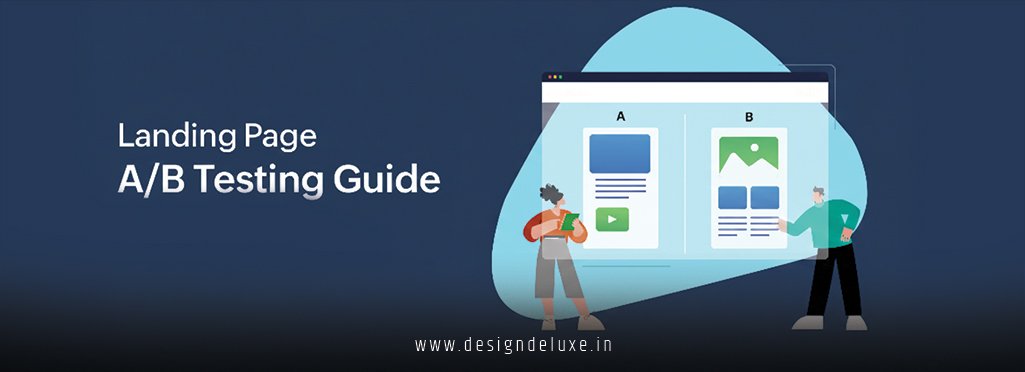
A/B testing (sometimes called split testing) is simple: you create two versions of a page (A and B), send half your traffic to each, and see which performs better. Version A might be your current page; Version B has one key change—like a different headline or CTA color.
The beauty of A/B testing is that it removes opinion from the equation. You might love your sleek minimalist design, but if visitors convert 40% higher with a busy, benefit-heavy layout, data wins.
When you’re learning how to create high-converting landing pages with A/B testing, remember: small changes often yield big results. A button color change once boosted conversions by 21% for one famous case. Another company increased revenue by $300,000 annually just by testing their headline.
Step-by-Step Guide: How to Create High-Converting Landing Pages with A/B Testing
Ready to build and test? Here’s the exact process I recommend.
Step 1: Define Your Goal and KPI
Every landing page needs one clear goal. Book a demo? Download an ebook? Make a purchase? Choose one primary conversion action.
Decide how you’ll measure success: conversion rate, cost per conversion, or revenue per visitor. Clarity here makes everything else easier.
Step 2: Research Your Audience Deeply
You can’t create a high-converting page without knowing who’s landing on it. Study your analytics. Run customer surveys. Look at heatmaps from tools like Hotjar. Ask: What language do they use? What objections do they have? What motivates them to buy?
Step 3: Build Your Control Page
Create your first version (the control) using the core elements we discussed. Keep it focused—one offer, minimal navigation, fast loading.
Tools like Unbounce, Leadpages, or even WordPress with Elementor make this beginner-friendly.
Step 4: Identify Testing Opportunities
Look for high-impact elements to test first:
- Headline variations
- CTA button text and color
- Hero image vs. video
- Form length (fewer fields often wins)
- Social proof placement
- Offer framing (discount vs. bonus)
Step 5: Set Up Your A/B Test Properly
Use a proper testing tool (more on those below). Ensure:
- Traffic is split randomly
- You have statistical significance (usually 95% confidence)
- You’re testing one variable at a time (for cleaner results)
Step 6: Run the Test and Analyze Results
Let it run until you hit significance—often 100–1,000 conversions per variation, depending on traffic. Look beyond just the winner: segment results by device, traffic source, or location for deeper insights.
Step 7: Implement the Winner and Keep Testing
Never stop at one test. The real magic happens when you compound wins. Test the winner against a new variation. Over time, these incremental improvements create massive lifts.
Advanced Strategies for How to Create High-Converting Landing Pages with A/B Testing
Once you’ve mastered basics, level up with these approaches.
Multivariate Testing
Test multiple elements simultaneously. Riskier, needs more traffic, but can uncover powerful interactions (like headline + image combinations).
Personalization Testing
Show different versions based on visitor data—first-time vs. returning, traffic source, location, or even firmographics for B2B.
Sequential Testing
After finding a winning headline, test CTA copy against that winner. Build on success rather than starting over.
Post-Conversion Testing
Don’t stop at the thank-you page. Test upsell offers, email capture forms, or even customer onboarding flows.
Best Tools for Creating and Testing Landing Pages
You don’t need to code everything from scratch.
For building:
- Unbounce: Drag-and-drop builder with built-in A/B testing
- Leadpages: Great templates and conversion-focused features
- Instapage: Enterprise-grade with strong collaboration tools
For testing:
- Google Optimize (sunsetted, but Google Analytics 4 now has some capabilities)
- Optimizely: Powerful for enterprise
- VWO: Excellent heatmaps and session recordings
- Convert Experiences: Privacy-focused alternative
Many page builders now include testing features, making it easier than ever to learn how to create high-converting landing pages with A/B testing without switching tools constantly.
For deeper insights on landing page optimization, check out HubSpot’s comprehensive guide to landing pages. For A/B testing best practices, Optimizely’s resource center is gold. And for conversion rate benchmarks by industry, WordStream’s data studies are incredibly helpful.
Common Mistakes to Avoid When Creating High-Converting Landing Pages with A/B Testing
Even experienced marketers trip over these:
- Testing too many variables at once (makes results impossible to interpret)
- Stopping tests too early (chasing false positives)
- Ignoring mobile users (over half your traffic)
- Having message mismatch between ad and landing page
- Forgetting to test the entire funnel, not just the first conversion
- Falling in love with your design over data
Stay disciplined. Let the numbers speak.
Real-World Examples of Massive Wins
One SaaS company tested replacing their generic “Sign Up Free” button with “See Plans and Pricing” and saw a 202% increase in paid conversions. Why? Visitors wanted transparency about cost before committing.
An ecommerce brand tested removing navigation links entirely—conversions jumped 36%. Less distraction equals more action.
These aren’t anomalies. When you commit to how to create high-converting landing pages with A/B testing, results like these become normal.
Conclusion: Your Next Steps to Conversion Mastery
Creating high-converting landing pages with A/B testing isn’t about chasing trends or copying competitors. It’s about understanding your audience deeply, building focused pages that deliver value immediately, and letting data guide every improvement.
Start small: pick one page, identify one element to test, and launch your first experiment this week. Track results religiously. Celebrate wins. Learn from losses. Over time, you’ll develop an optimization machine that turns traffic into revenue predictably.
You’ve got the blueprint. Now go build pages that don’t just look good—they perform brilliantly.
Frequently Asked Questions
What exactly is the difference between a homepage and a landing page when learning how to create high-converting landing pages with A/B testing?
A homepage serves many purposes and many audiences. A landing page has one goal for one specific audience segment—usually coming from a targeted ad or email. This focus is why landing pages convert so much higher and are perfect for A/B testing.
How long should I run an A/B test when creating high-converting landing pages?
Run tests until you reach statistical significance and have at least 100–300 conversions per variation (more for low-traffic sites). Typically this takes 1–4 weeks. Avoid stopping early based on early leaders—data needs time to stabilize.
Do I need coding skills to create high-converting landing pages with A/B testing?
Not anymore. Modern drag-and-drop builders like Unbounce or Leadpages let beginners create professional pages and run tests without writing code. Focus on understanding your audience instead of technical skills.
Which element should I test first when learning how to create high-converting landing pages with A/B testing?
Start with your headline. It’s the highest-impact element and easiest to create variations for. A stronger headline often unlocks 20–50% lifts before you touch anything else.
Can small businesses really benefit from A/B testing landing pages, or is it just for big companies?
Absolutely. Small businesses often see the biggest relative gains because they’re starting from unoptimized baselines. Even with modest traffic, consistent testing compounds into major revenue increases over time.